Pheochromocytoma Drugs in Development by Stages, Target, MoA, RoA, Molecule Type and Key Players, 2022 Update
Powered by 
All the vital news, analysis, and commentary curated by our industry experts.

Pheochromocytoma is a rare, usually non-cancerous (benign) tumor that develops in cells in the center of an adrenal gland. Symptoms include high blood pressure, severe headache, tremors, shortness of breath, and constipation. The Pheochromocytoma pipeline drugs market research report provides comprehensive information on the therapeutics under development for Pheochromocytoma (Oncology), complete with analysis by stage of development, drug target, mechanism of action (MoA), route of administration (RoA), and molecule type.
The report also covers the descriptive pharmacological action of the therapeutics, its complete research and development history, and the latest news and press releases. Additionally, the report provides an overview of key players involved in therapeutic development for Pheochromocytoma (Oncology) and features dormant and discontinued projects.
Pheochromocytoma Pipeline Drugs Market Segmentation by Targets
Some of the targets of the Pheochromocytoma pipeline drugs market are Cells Expressing Somatostatin Receptor Type 2, Mast/Stem Cell Growth Factor Receptor Kit, Proto Oncogene Tyrosine Protein Kinase Receptor Ret, Receptor Type Tyrosine Protein Kinase FLT3, Vascular Endothelial Growth Factor Receptor 1, Vascular Endothelial Growth Factor Receptor 2, Vascular Endothelial Growth Factor Receptor 3, and Angiopoietin 1 Receptor.
Pheochromocytoma Pipeline Drugs Market Analysis, by Targets
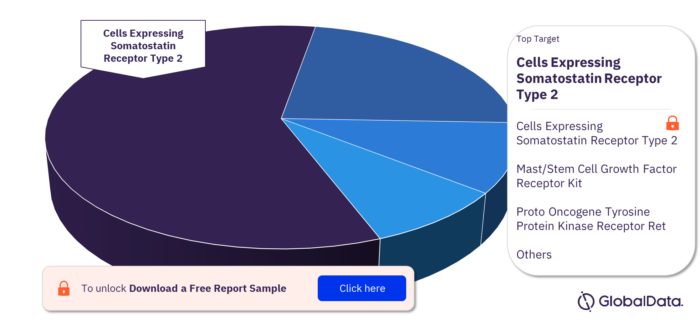
For more Pheochromocytoma pipeline drugs market target insights, download a free report sample
Pheochromocytoma Pipeline Drugs Market Segmentation by Mechanism of Actions
Some of the mechanism of actions of the Pheochromocytoma pipeline drugs market are Cytotoxic To Cells Expressing Somatostatin Receptor Type 2, Mast/Stem Cell Growth Factor Receptor Kit Inhibitor, Proto Oncogene Tyrosine Protein Kinase Receptor Ret Inhibitor, Receptor Type Tyrosine Protein Kinase FLT3 Inhibitor, Vascular Endothelial Growth Factor Receptor 1 Inhibitor, Vascular Endothelial Growth Factor Receptor 2 Inhibitor, Vascular Endothelial Growth Factor Receptor 3 Inhibitor, Angiopoietin 1 Receptor Inhibitor, ATP Dependent Clp Protease Proteolytic Subunit Mitochondrial Activator, and BDNF/NT 3 Growth Factors Receptor Inhibitor.
Pheochromocytoma Pipeline Drugs Market Analysis, by Mechanism of Actions
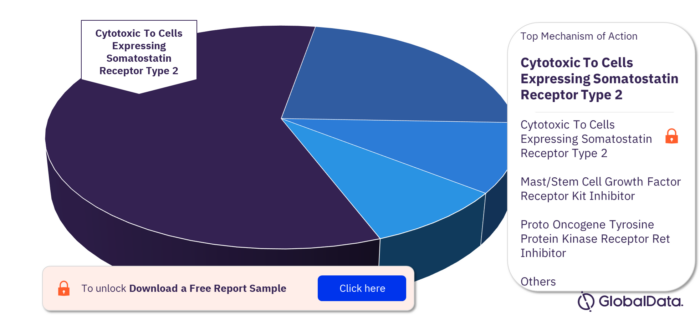
For more mechanism of action insights into the Pheochromocytoma pipeline drugs market, download a free report sample
Pheochromocytoma Pipeline Drugs Market Segmentation by Routes of Administration
The key routes of administration in the Pheochromocytoma pipeline drugs market are intravenous, oral, intraarterial, subcutaneous, intramuscular, and intratumor.
Pheochromocytoma Pipeline Drugs Market Analysis, by Routes of Administration
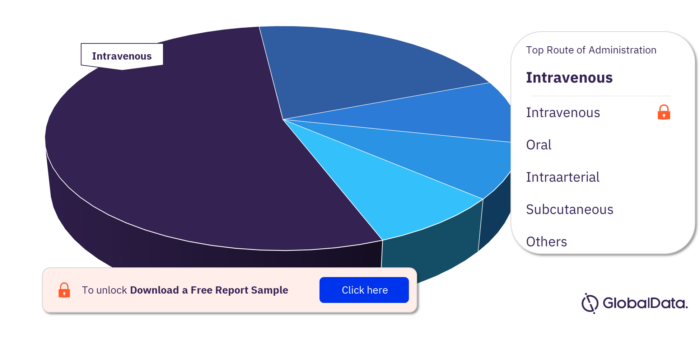
For more routes of administration insights into the Pheochromocytoma pipeline drugs market, download a free report sample
Pheochromocytoma Pipeline Drugs Market Segmentation by Molecule Types
The molecule types in the Pheochromocytoma pipeline drugs market are small molecule, synthetic peptide, oncolytic virus, recombinant peptide, and vaccine.
Pheochromocytoma Pipeline Drugs Market Analysis, by Molecule Types
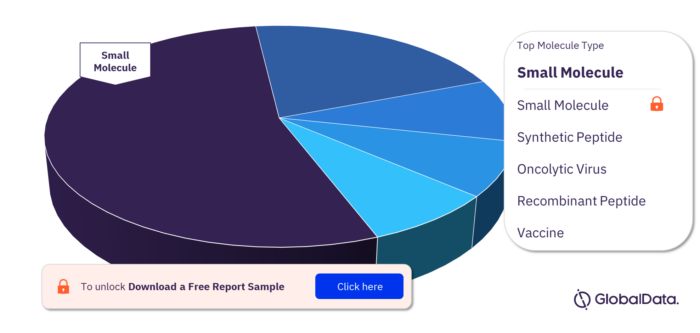
For more molecule type insights into the Pheochromocytoma pipeline drugs market, download a free report sample
Competitive Landscape
Some of the key companies in the Pheochromocytoma pipeline drugs market are Advanced Accelerator Applications SA, AstraZeneca Plc, Chimerix Inc, Enterome Bioscience SA, Exelixis Inc, Gibson Oncology LLC, Ipsen SA, Jubilant DraxImage Inc, Lixte Biotechnology Holdings Inc, and Merck & Co Inc.
Pheochromocytoma Pipeline Drugs Market Analysis, by Companies
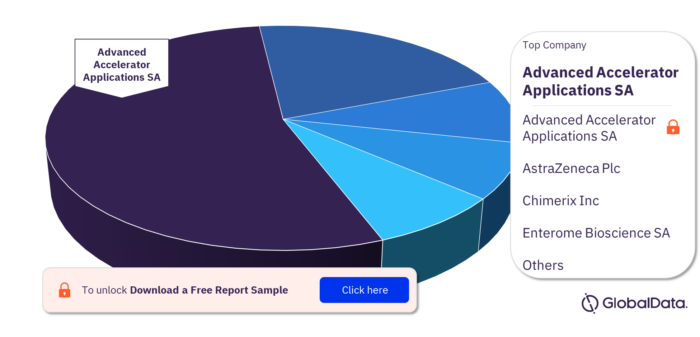
To know more about the Pheochromocytoma pipeline drugs market companies, download a free report sample
Pheochromocytoma Pipeline Drugs Market Report Overview
| Key Targets | Cells Expressing Somatostatin Receptor Type 2, Mast/Stem Cell Growth Factor Receptor Kit, Proto Oncogene Tyrosine Protein Kinase Receptor Ret, Receptor Type Tyrosine Protein Kinase FLT3, Vascular Endothelial Growth Factor Receptor 1, Vascular Endothelial Growth Factor Receptor 2, Vascular Endothelial Growth Factor Receptor 3, and Angiopoietin 1 Receptor |
| Key Mechanism of Actions | Cytotoxic To Cells Expressing Somatostatin Receptor Type 2, Mast/Stem Cell Growth Factor Receptor Kit Inhibitor, Proto Oncogene Tyrosine Protein Kinase Receptor Ret Inhibitor, Receptor Type Tyrosine Protein Kinase FLT3 Inhibitor, Vascular Endothelial Growth Factor Receptor 1 Inhibitor, Vascular Endothelial Growth Factor Receptor 2 Inhibitor, Vascular Endothelial Growth Factor Receptor 3 Inhibitor, Angiopoietin 1 Receptor Inhibitor, ATP Dependent Clp Protease Proteolytic Subunit Mitochondrial Activator, and BDNF/NT 3 Growth Factors Receptor Inhibitor |
| Key Routes of Administration | Intravenous, Oral, Intraarterial, Subcutaneous, Intramuscular, and Intratumor |
| Key Molecule Types | Small Molecule, Synthetic Peptide, Oncolytic Virus, Recombinant Peptide, and Vaccine |
| Key Companies | Advanced Accelerator Applications SA, AstraZeneca Plc, Chimerix Inc, Enterome Bioscience SA, Exelixis Inc, Gibson Oncology LLC,
Ipsen SA, Jubilant DraxImage Inc, Lixte Biotechnology Holdings Inc, and Merck & Co Inc |
Scope
This report provides:
- A snapshot of the global therapeutic landscape of Pheochromocytoma (Oncology).
- Reviews of pipeline therapeutics for Pheochromocytoma (Oncology) by companies and universities/research institutes based on information derived from company and industry-specific sources.
- Pipeline products based on several stages of development ranging from pre-registration to discovery and undisclosed stages.
- Descriptive drug profiles for the pipeline products which comprise product description, descriptive licensing and collaboration details, R&D brief, MoA & other developmental activities.
- Reviews of key companies involved in Pheochromocytoma (Oncology) therapeutics and enlists all their major and minor projects.
- Evaluation of Pheochromocytoma (Oncology) therapeutics based on mechanism of action (MoA), drug target, route of administration (RoA), and molecule type.
- All the dormant and discontinued pipeline projects.
- Reviews of the latest news related to pipeline therapeutics for Pheochromocytoma (Oncology).
Reasons to Buy
- Procure strategically important competitor information, analysis, and insights to formulate effective R&D strategies.
- Recognize emerging players with potentially strong product portfolio and create effective counterstrategies to gain competitive advantage.
- Find and recognize significant and varied types of therapeutics under development for Pheochromocytoma (Oncology).
- Classify potential new clients or partners in the target demographic.
- Develop tactical initiatives by understanding the focus areas of leading companies.
- Plan mergers and acquisitions meritoriously by identifying key players and their most promising pipeline therapeutics.
- Formulate corrective measures for pipeline projects by understanding Pheochromocytoma (Oncology) pipeline depth and focus of Indication therapeutics.
- Develop and design in-licensing and out-licensing strategies by identifying prospective partners with the most attractive projects to enhance and expand business potential and scope.
- Adjust the therapeutic portfolio by recognizing discontinued projects and understand from the know-how what drove them from the pipeline.
AstraZeneca Plc
Chimerix Inc
Enterome Bioscience SA
Exelixis Inc
Gibson Oncology LLC
Ipsen SA
Jubilant DraxImage Inc
Lixte Biotechnology Holdings Inc
Merck & Co Inc
Pfizer Inc
Tarveda Therapeutics Inc
Vyriad Inc
Table of Contents
Table
Figures
Frequently asked questions
-
What are the key targets of the Pheochromocytoma pipeline drugs market?
Some of the key targets of the Pheochromocytoma pipeline drugs market are Cells Expressing Somatostatin Receptor Type 2, Mast/Stem Cell Growth Factor Receptor Kit, Proto Oncogene Tyrosine Protein Kinase Receptor Ret, Receptor Type Tyrosine Protein Kinase FLT3, Vascular Endothelial Growth Factor Receptor 1, Vascular Endothelial Growth Factor Receptor 2, Vascular Endothelial Growth Factor Receptor 3, and Angiopoietin 1 Receptor.
-
What are the key mechanism of actions of the Pheochromocytoma pipeline drugs market?
Some of the key mechanism of actions of the Pheochromocytoma pipeline drugs market are Cytotoxic To Cells Expressing Somatostatin Receptor Type 2, Mast/Stem Cell Growth Factor Receptor Kit Inhibitor, Proto Oncogene Tyrosine Protein Kinase Receptor Ret Inhibitor, Receptor Type Tyrosine Protein Kinase FLT3 Inhibitor, Vascular Endothelial Growth Factor Receptor 1 Inhibitor, Vascular Endothelial Growth Factor Receptor 2 Inhibitor, Vascular Endothelial Growth Factor Receptor 3 Inhibitor, Angiopoietin 1 Receptor Inhibitor, ATP Dependent Clp Protease Proteolytic Subunit Mitochondrial Activator, and BDNF/NT 3 Growth Factors Receptor Inhibitor.
-
What are the key routes of administration in the Pheochromocytoma pipeline drugs market?
The key routes of administration in the Pheochromocytoma pipeline drugs market are intravenous, oral, intraarterial, subcutaneous, intramuscular, and intratumor.
-
What are the key molecule types in the Pheochromocytoma pipeline drugs market?
The key molecule types in the Pheochromocytoma pipeline drugs market are small molecule, synthetic peptide, oncolytic virus, recombinant peptide, and vaccine.
-
Which are the key companies in the Pheochromocytoma pipeline drugs market?
Some of the key companies in the Pheochromocytoma pipeline drugs market are Advanced Accelerator Applications SA, AstraZeneca Plc, Chimerix Inc, Enterome Bioscience SA, Exelixis Inc, Gibson Oncology LLC, Ipsen SA, Jubilant DraxImage Inc, Lixte Biotechnology Holdings Inc, and Merck & Co Inc.
Get in touch to find out about multi-purchase discounts
reportstore@globaldata.com
Tel +44 20 7947 2745
Sample Report
Pheochromocytoma Drugs in Development by Stages, Target, MoA, RoA, Molecule Type and Key Players, 2022 Update was curated by the best experts in the industry and we are confident about its unique quality. However, we want you to make the most beneficial decision for your business, so we offer free sample pages to help you:
- Assess the relevance of the report
- Evaluate the quality of the report
- Justify the cost
Download your copy of the sample report and make an informed decision about whether the full report will provide you with the insights and information you need.


Related reports
View more Oncology reports