Hospital Acquired Pneumonia Marketed and Pipeline Drugs Assessment, Clinical Trials and Competitive Landscape
Powered by 
All the vital news, analysis, and commentary curated by our industry experts.

Pneumonia is one of the most common infectious diseases and is caused by infectious agents such as bacteria, viruses, and fungi. It is an acute respiratory infection that inflames the alveoli (air sacs) in the lungs through fluid or pus. The inflamed alveoli cause limited oxygen intake in the lungs and breathing difficulties for individuals, manifesting in symptoms of coughing, chest pain, and fever. It can be categorized into CAP, which is pneumonia developed outside of the hospital or healthcare setting, or HAP, which is pneumonia developed after hospital admission.
The Hospital Acquired Pneumonia marketed and pipeline drugs market research report includes an assessment of the disease epidemiology, leading marketed products with sales forecast, late-to-mid-stage pipeline products with phase transition success rate (PTSR), and the likelihood of approval (LoA) for Hospital Acquired Pneumonia. Moreover, it analyzes the clinical and commercial landscapes of Hospital Acquired Pneumonia, as well as an assessment of deals, future market catalysts, key market players, and the future competitive environment.
Hospital Acquired Pneumonia Marketed and Pipeline Drugs Overview by Mechanism of Action
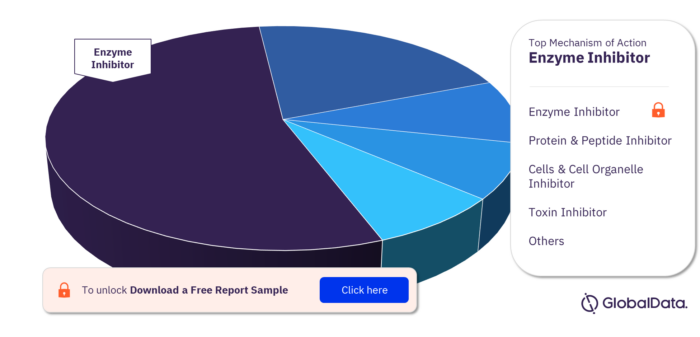
The major mechanisms of action in the HAP marketed and pipeline drugs market are enzyme inhibitor, protein & peptide inhibitor, cells & cell organelle inhibitor, ligand inhibitor, genes, nucleic acids & related components inhibitor, cells & cell organelle disruptor, toxin inhibitor, and ion channel blocker.
Hospital Acquired Pneumonia Marketed and Pipeline Drugs Market Analysis by Mechanism of Action
For more mechanism of action insights, download a free report sample
Hospital Acquired Pneumonia Marketed and Pipeline Drugs Overview by Routes of Administration
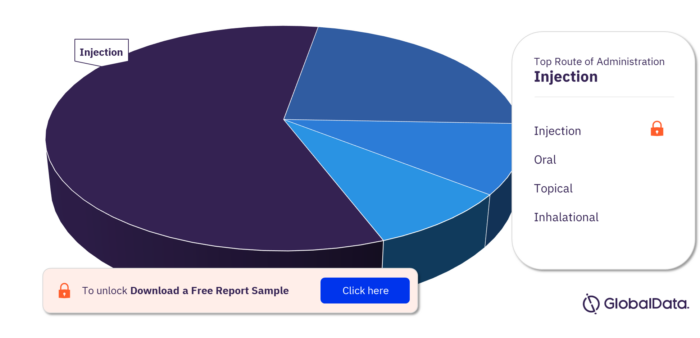
The major routes of administration in the HAP marketed and pipeline drugs market are injections, oral therapies, topical therapies, and inhalational therapies.
Hospital Acquired Pneumonia Marketed and Pipeline Drugs Market Analysis by Routes of Administration
For more routes of administration insights, download a free report sample
Hospital Acquired Pneumonia Marketed and Pipeline Drugs Market Report Overview
| Major Mechanism of Action | Enzyme Inhibitor, Protein & Peptide Inhibitor, Cells & Cell Organelle Inhibitor, Ligand Inhibitor, Genes, Nucleic Acids & Related Components Inhibitor, Cells & Cell Organelle Disruptor, Toxin Inhibitor, and Ion Channel Blocker |
| Major Routes of Administration | Injections, Oral Therapies, Topical Therapies, and Inhalational Therapies |
Scope
GlobalData’s Hospital Acquired Pneumonia Marketed and Pipeline Drugs Assessment, Clinical Trials, and Competitive Landscape combine data from the Pharma Intelligence Center with in-house analyst expertise to provide a competitive assessment of the disease marketplace.
Components of the report include:
- Disease Landscape
- Disease Overview
- Epidemiology Overview
- Treatment Overview
- Marketed Products Assessment
- Breakdown by Mechanism of Action, Molecule Type, Route of Administration
- Product Profiles with Sales Forecast
- Pricing and Reimbursement Assessment
- Retail or Manufacturer Price of Products
- Time to Pricing and Time to Reimbursement
- Pipeline Assessment
- Breakdown by Development Stage, Mechanism of Action, Molecule Type, Route of Administration
- Product Profiles with Sales Forecast
- Late-to-mid-stage Pipeline Drugs
- Phase Transition Success Rate and Likelihood of Approval
- Clinical Trials Assessment
- Breakdown of Trials by Phase, Status, Virtual Components, Sponsors, Geography, and Endpoint Status
- Enrolment Analytics, Site Analytics, Feasibility Analysis
- Deals Landscape
- Mergers, Acquisitions, and Strategic Alliances by Region
- Overview of Recent Deals
- Commercial Assessment
- Key Market Players
- Future Market Catalysts
Reasons to Buy
- Develop and design your in-licensing and out-licensing strategies through a review of pipeline products and technologies, and by identifying the companies with the most robust pipeline.
- Develop business strategies by understanding the trends shaping and driving the Hospital Acquired Pneumonia market.
- Drive revenues by understanding the key trends, innovative products and technologies, market segments, and companies likely to impact the global Hospital Acquired Pneumonia market in the future.
- Formulate effective sales and marketing strategies by understanding the competitive landscape and by analyzing the performance of various competitors.
- Identify emerging players with potentially strong product portfolios and create effective counter-strategies to gain a competitive advantage.
- Organize your sales and marketing efforts by identifying the market categories and segments that present maximum opportunities for consolidations, investments, and strategic partnerships.
Table of Contents
Frequently asked questions
-
What are the major mechanisms of action in the Hospital Acquired Pneumonia marketed and pipeline drugs market?
The major mechanisms of action in the HAP marketed and pipeline drugs market are enzyme inhibitor, protein & peptide inhibitor, cells & cell organelle inhibitor, ligand inhibitor, genes, nucleic acids & related components inhibitor, cells & cell organelle disruptor, toxin inhibitor, and ion channel blocker.
-
What are the major routes of administration in the Hospital Acquired Pneumonia marketed and pipeline drugs market?
The major routes of administration in the HAP marketed and pipeline drugs market are injections, oral therapies, topical therapies, and inhalational therapies.
Get in touch to find out about multi-purchase discounts
reportstore@globaldata.com
Tel +44 20 7947 2745
Sample Report
Hospital Acquired Pneumonia Marketed and Pipeline Drugs Assessment, Clinical Trials and Competitive Landscape was curated by the best experts in the industry and we are confident about its unique quality. However, we want you to make the most beneficial decision for your business, so we offer free sample pages to help you:
- Assess the relevance of the report
- Evaluate the quality of the report
- Justify the cost
Download your copy of the sample report and make an informed decision about whether the full report will provide you with the insights and information you need.


