Channel Boundaries in the Foodservice Market Report Overview
Foodservice providers are exploring alternative channels to reach a wider audience, these include changing operations to suit shopping arcades and other urban settings. Brands are even exploring product diversification opportunities and reaching wider audiences with offerings such as groceries and apparel. Moreover, the COVID-19 pandemic has resulted in changes in consumer behavior who now prefer spending more time at home rather than eating out, giving rise to a demand for non-traditional foodservice channels.
The blurring channel boundaries in the foodservice industry analysis report analyzes how leading foodservice providers are actively seeking alternative channels rather than standalone outlets to adapt to urban and suburban lifestyles.
Blurring Channel Boundaries - Market Dynamics
The blurring of channel boundaries is driven by the evolving urban and suburban lifestyles. The COVID-19 pandemic, and the global inflation acted as an impetus for evolving consumer behaviors. Dining and socializing out-of-home have reduced, therefore, leading foodservice providers are actively seeking alternative channels rather than standalone outlets. This will give brands the opportunity to engage with a larger consumer base through a more diverse range of touchpoints and enhanced convenience.
In terms of channel location, foodservice providers are expanding their presence in shopping arcades, including grocery stores and malls. To maximize market penetration, leading brands are venturing into even more unusual retail segments such as apparel and beauty. In terms of channel growth, Asia leads the market in both traditional and non-traditional foodservice. While traditional (standalone) channels continue to account for most of the foodservice industry, non-traditional channels are slowly gaining popularity. Moreover, diversity in the format and location of foodservice outlets helps to win some additional trade that is not being captured by traditional restaurants.
Blurring Channel Boundaries – Consumer Trends
The key consumer trends in the food service market are next-generation shopping, ease and affordability, cocooning, and authenticity & heritage.
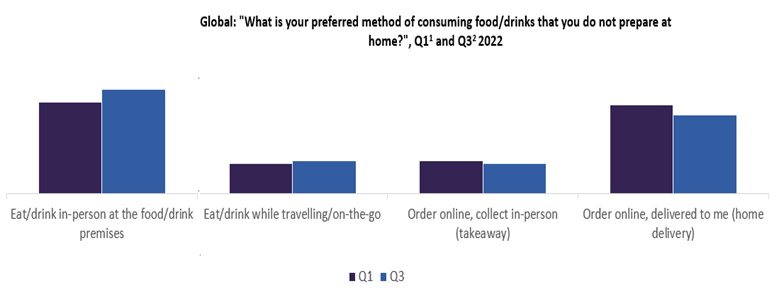
Next-Generation Shopping: Digital foodservice channels are becoming more efficient as demand for online food delivery continues to grow. Many foodservice providers have adapted their off-premise channel strategy to be more digitally focused (e.g., online food delivery) and a few leading foodservice brands have even ventured into other e-commerce channels such as apparel and grocery to gain market share. Additionally, many consumers globally prefer to order menu items on the go or collect takeaways in person. Therefore, it is vital for foodservice providers to adapt their on-premise and off-premise business channel operations to be flexible to meet the wider range of consumer preferences.
For more consumer trend insights into the foodservice market, download a free report sample
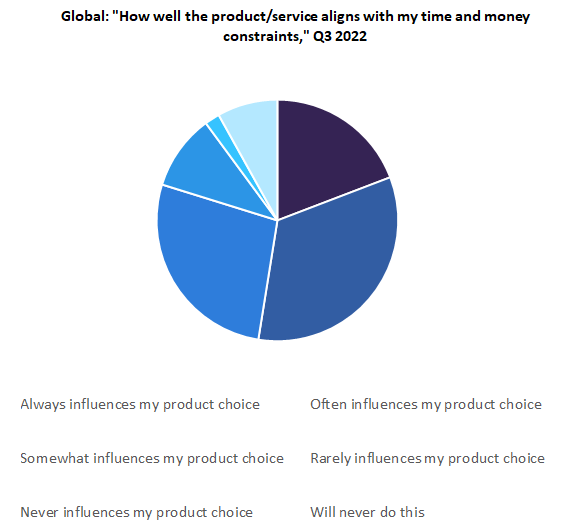
Ease And Affordability: Convenience and affordability are highly influential over consumer decision-making in the foodservice market. To meet consumer expectations, brands have reported extreme changes in operations to streamline business activity and increase efficiency. Additionally, they are also exploring new affordable options to increase brand accessibility outside of the core restaurant locations. This is because brands in foodservice have noticed that consumers are reluctant to spend on-premise in restaurants.
For more consumer trend insights into the foodservice market, download a free report sample
Channel Boundaries in the Foodservice Market Report Overview
| Key Consumer Trends | Next-Generation Shopping, Ease and Affordability, Cocooning, and Authenticity & Heritage |
Reasons to buy
- Understand the challenges and opportunities for foodservice brands in order to tap into the blurring channel boundaries trend.
- Gain insight into how competitors are responding to this trend.
- Access valuable strategic take-outs to help direct future decision-making and inform new product and service development.