Deep Dive into Responsible AI – Thematic Intelligence
Powered by 
All the vital news, analysis, and commentary curated by our industry experts.

Deep Dive into the Responsible AI Thematic Report Overview
Adopting a responsible AI strategy has become critical for businesses to gain a competitive advantage. Although there are currently no global regulatory standards for AI, companies can look at voluntary guidelines as a source of best practices. In the long term, AI will require the implementation of legal guardrails. Companies adhering to standards can show their credentials for trustworthy AI use and be prepared for any upcoming regulation.
Five key aspects are considered to see the full benefits of AI. These include universal AI principles, voluntary AI guidelines, AI standards and certifications, AI regulation, and AI compliance and enforcement.
Buy the Full Report for More Insights on the Responsible AI
Download a Free Sample Report
The ‘Deep Dive into the Responsible AI’ thematic intelligence report provides a detailed outlook on responsible AI, which describes the management of AI-related risks from an ethical and legal perspective. The report covers five key aspects that need to be in place for society to see the full benefits of AI.
Deep Dive into Responsible AI - Universal AI Principles
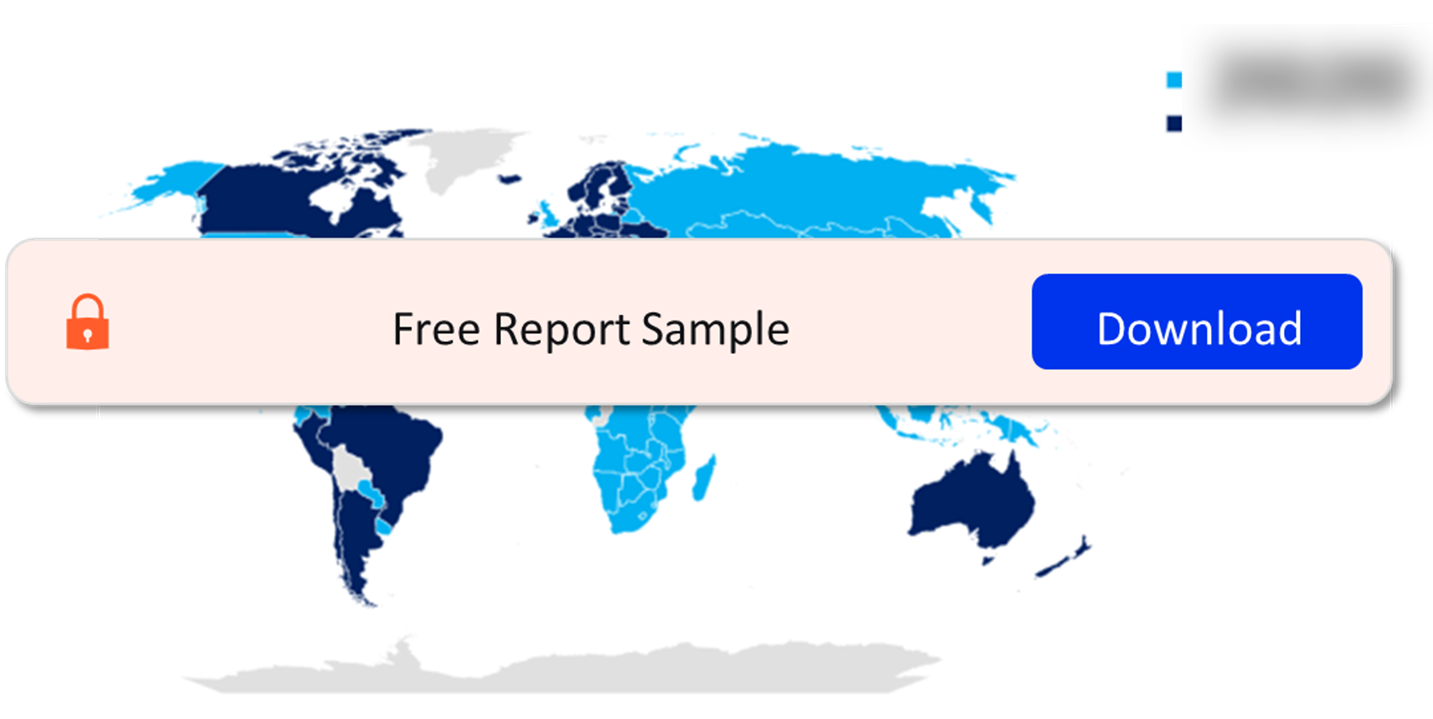
Universal AI principles are the building blocks of future regulations and standards. They are incorporated into declarations and statements on AI safety and are issued by four types of organizations including international organizations, governments, standard institutes, and research institutes. For instance, the OECD’s AI Principles guide AI actors to develop trustworthy AI and provide policymakers with recommendations for effective AI policies. It includes inclusive growth, sustainable development, and well-being, human rights, and democratic values among others. Currently, 47 countries adhere to the OECD’s AI principles.
Countries That Have Committed to The OECD’s AI Principles
Buy the Full Report for More Insights on the Responsible AI
Download a Free Sample Report
Scope
Sweeping AI regulation will come into force around the globe. There are currently no global regulatory standards for AI. Companies can look at voluntary guidelines as a source of best practices. In the long term, AI will require the implementation of legal guardrails.
Companies adhering to standards benefit from a presumption of conformity. They will be assumed to be following an ethical approach to AI.
Key Highlights
- Sweeping AI regulation will come into force around the globe. There are currently no global regulatory standards for AI.
- Companies can look at voluntary guidelines as a source of best practices. In the long term, AI will require the implementation of legal guardrails.
- Companies adhering to standards benefit from a presumption of conformity. They will be assumed to be following an ethical approach to AI.
Buy the Full Report for More Insights on the Responsible AI
Reasons to Buy
- The journey towards responsible AI is complex and fraught with uncertainty. Risk can originate from different sources and multiply as AI systems are implemented.
- This report highlights the main issues associated with responsible AI and, in conjunction with GlobalData’s AI Governance, can help companies deploy AI responsibly and effectively.
Table of Contents
Frequently asked questions
-
What are the five main areas of responsible AI?
The report covers five aspects of responsible AI, i.e., universal AI principles, voluntary AI guidelines, AI standards and certifications, AI regulation, and AI compliance and enforcement.
-
Which organization incorporates universal AI principles?
Universal AI principles are incorporated into declarations and statements on AI safety and are issued by four types of organizations including international organizations, governments, standard institutes, and research institutes.

Get in touch to find out about multi-purchase discounts
reportstore@globaldata.com
Tel +44 20 7947 2745
Sample Report
Deep Dive into Responsible AI – Thematic Intelligence was curated by the best experts in the industry and we are confident about its unique quality. However, we want you to make the most beneficial decision for your business, so we offer free sample pages to help you:
- Assess the relevance of the report
- Evaluate the quality of the report
- Justify the cost
Download your copy of the sample report and make an informed decision about whether the full report will provide you with the insights and information you need.


