Future of Industrials – Thematic Intelligence
Powered by 
All the vital news, analysis, and commentary curated by our industry experts.

Reasons to buy the ‘Future of Industrials’ thematic intelligence report:
- The Future of Industrials thematic intelligence report provides insights and case study innovations for key industries, namely – aerospace, defense, and security, automotive, construction, and mining.
- It evaluates the global outlook for the industry and the way technology will shape it.
- The report covers the key companies that will take the industrial sector into the future by implementing various technologies and innovations.
How is our ‘Future of Industrials’ report unique from other reports in the market?
Companies throughout the industrial sector are investing in the technologies of the future right now.
- This report looks ahead to 2035 and beyond and identifies the key innovations that will revolutionize the industry. It also profiles the start-ups and emerging leaders heading the charge.
- It will help design and develop corporate strategy by building your understanding of the development of the industrial sector in the coming years.
- The report uses GlobalData’s unique thematic methodology to help you spot the developments that will transform the industrial sector before your competitors.
- GlobalData’s thematic research ecosystem is a single, integrated global research platform that provides an easy-to-use framework for tracking all themes across all companies in all sectors. It has a proven history of identifying important themes early, enabling companies to make the right investments ahead of the competition and securing that all-important competitive advantage.
We recommend this valuable source of information to anyone involved in:
- Aerospace, Defense, and Security, Automotive, Construction, Mining – Technology Leaders and Startups
- Business Development and Market Intelligence
- Investment Analysts and Portfolio Managers
- Professional Services – Investment Banks, PE/VC firms
- M&A/Investment, Management Consultants, and Consulting Firms
To Get a Snapshot of the Future of Industrials Thematic Report
Future of Industrials Thematic Report Overview
Numerous factors including geopolitical tensions, sustainability concerns, technological advancements, rising labor costs, demographic shifts, and globalization will drive changes and innovations in the industrial sector. Markets like automotive; mining; construction; and aerospace, defense, and security (ADS) must adapt to these changes.
The “Future of Industrials – Thematic Intelligence” report is a part of GlobalData’s Future of Industry report series that focuses on the industrials sector. It discusses how technologies including augmented reality (AR), artificial intelligence (AI), autonomous vehicles, advanced materials, and robotics will bring about changes in the future of the industrial sector.
Buy the Full Report for Additional Insights on the Future of Industrials
| Report Pages | 51 |
| Regions Covered | Global |
| Key Sectors | · Augmented Reality (AR)
· Artificial Intelligence (AI) · Autonomous Vehicles · Advanced Materials · Robotics |
| Enquire & Decide | Discover the perfect solution for your business needs. Enquire now and let us help you make an informed decision before making a purchase. |
Future of Industrials – Key Factors
The ability to respond quickly to or predict production changes is invaluable, and will become essential to the survival of companies in industrial sectors. Converged Industry 4.0 technologies, such as AI, advanced materials, AR, and others, will provide future predictive capabilities for flexibility, scalability, and personalization.
The rise in ethical consumerism and labor costs, alongside the development of emerging technologies, makes friendshoring a viable strategy to secure the long-term resilience of manufacturing supply chains.
Industry 4.0 Technologies

Buy the Full Report to Know More about the Future of Industrials Themes
Future of Industrials – Augmented Reality (AR)
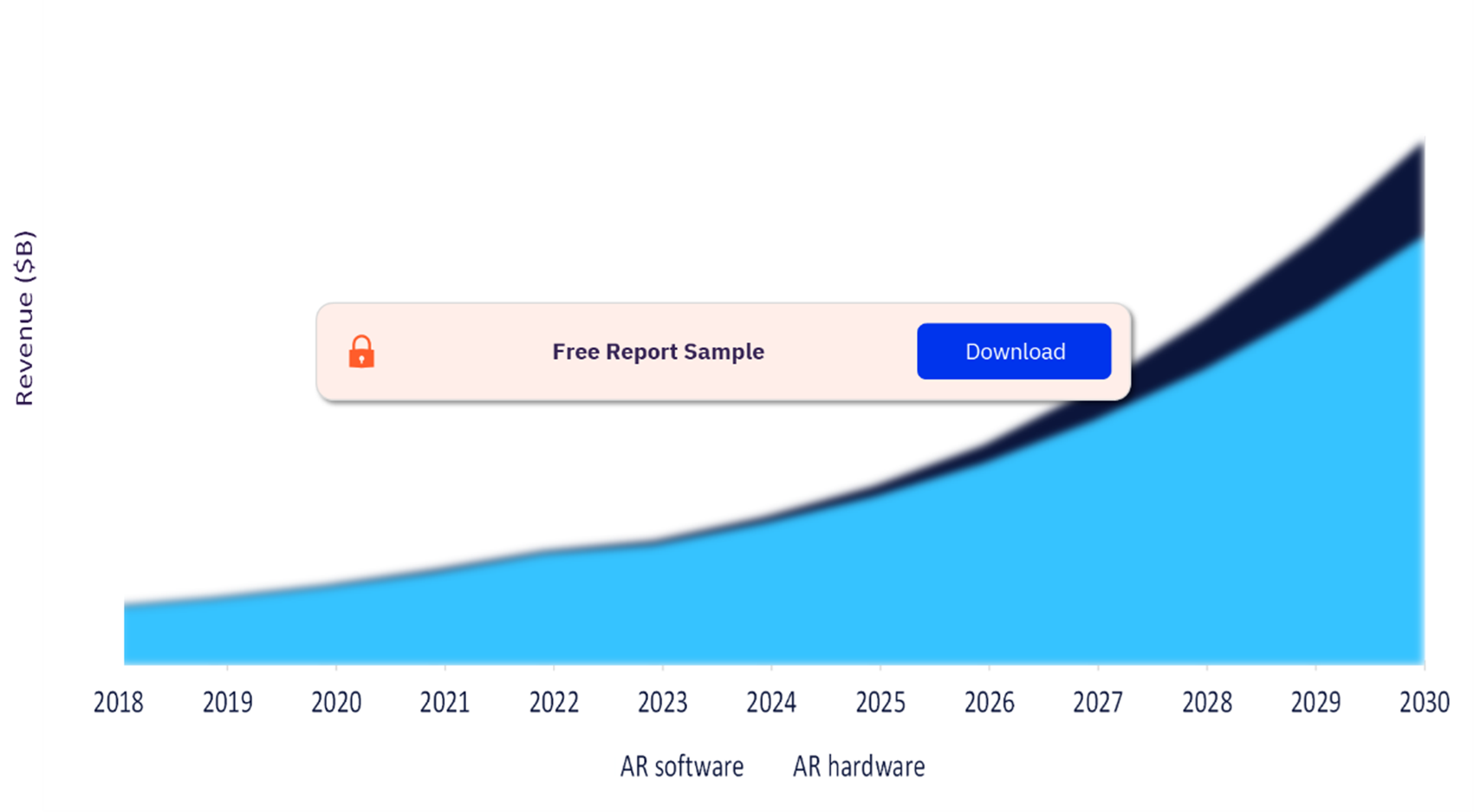
AR uses smart glasses or headsets with zoom capabilities for inspections. Thus, it enables remote assistance for maintenance and repair and guides technicians step-by-step through the process. AR further provides immersive training capabilities and visuals that can identify potential hazards and directly reduce injuries and fatalities.
Other than training and remote assistance and collaboration, AR can also be applied for quality control and inspections. AR integrated with IoT and AI can help automate quality control processes by highlighting defects and improving maintenance and repair capabilities.
Global AR Revenue, 2018-2030 (%)
Buy the Full Report for More AR Insights into the Future of Industrials Theme
Future of Industrials – Artificial Intelligence (AI)
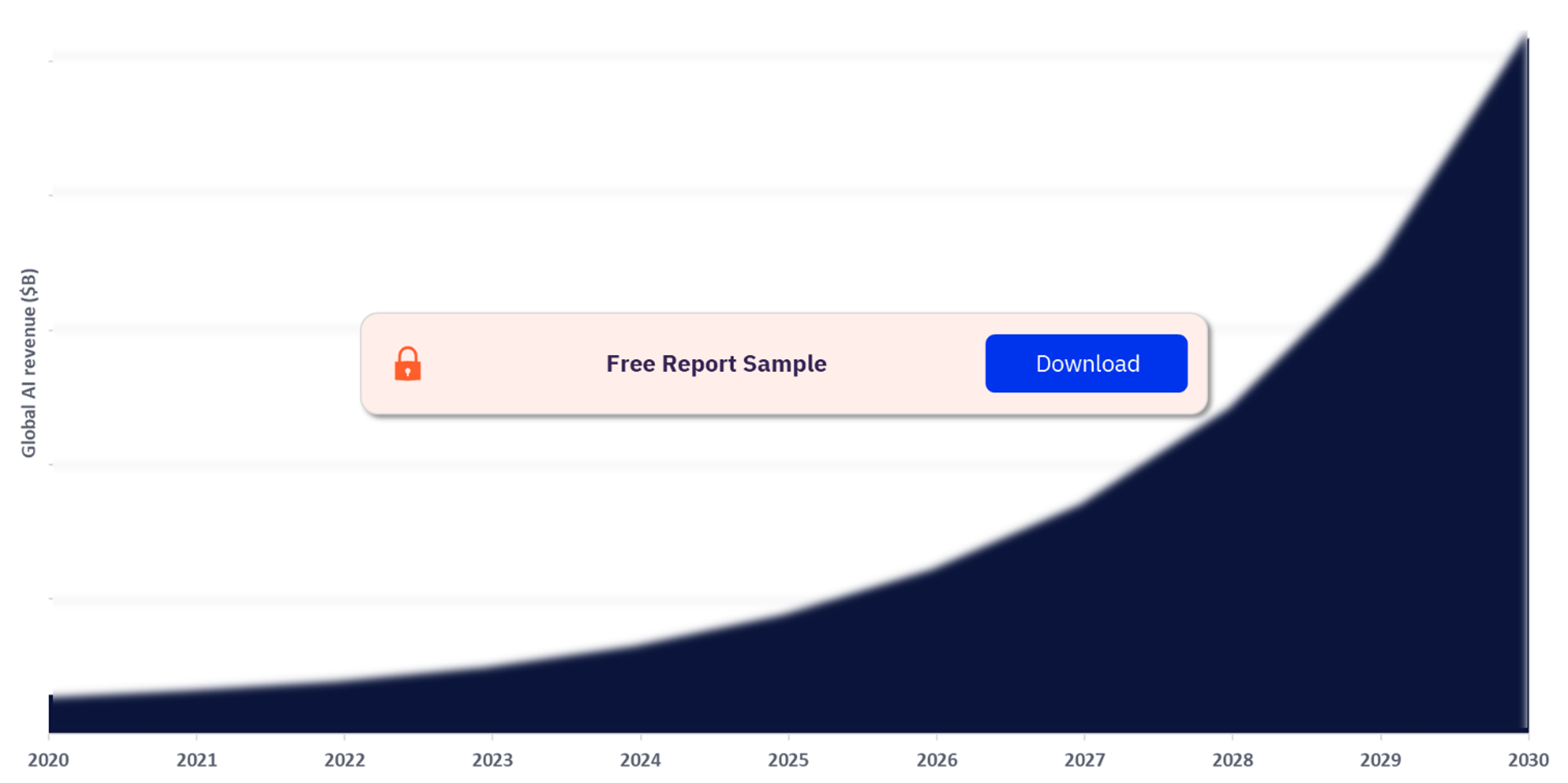
AI applications in the industrial sector can help facilitate planning, designing, modeling, safety, site monitoring and maintenance, and emissions tracking. AI also enhances the development and implementation of other technologies, such as robotics and IoT.
AI plays a predominant role in quality control, supply chain optimization, and predictive maintenance in the industrial sector. AI will be increasingly used to optimize supply chains, including inventory management, demand forecasting, and logistics. AI algorithms help to predict market demand and adjust production and pricing accordingly.
Global AI Revenue Forecast, 2020-2030 (%)
Buy the Full Report for More AI Insights into the Future of Industrials Theme
Future of Industrials – Autonomous Vehicles (AVs)
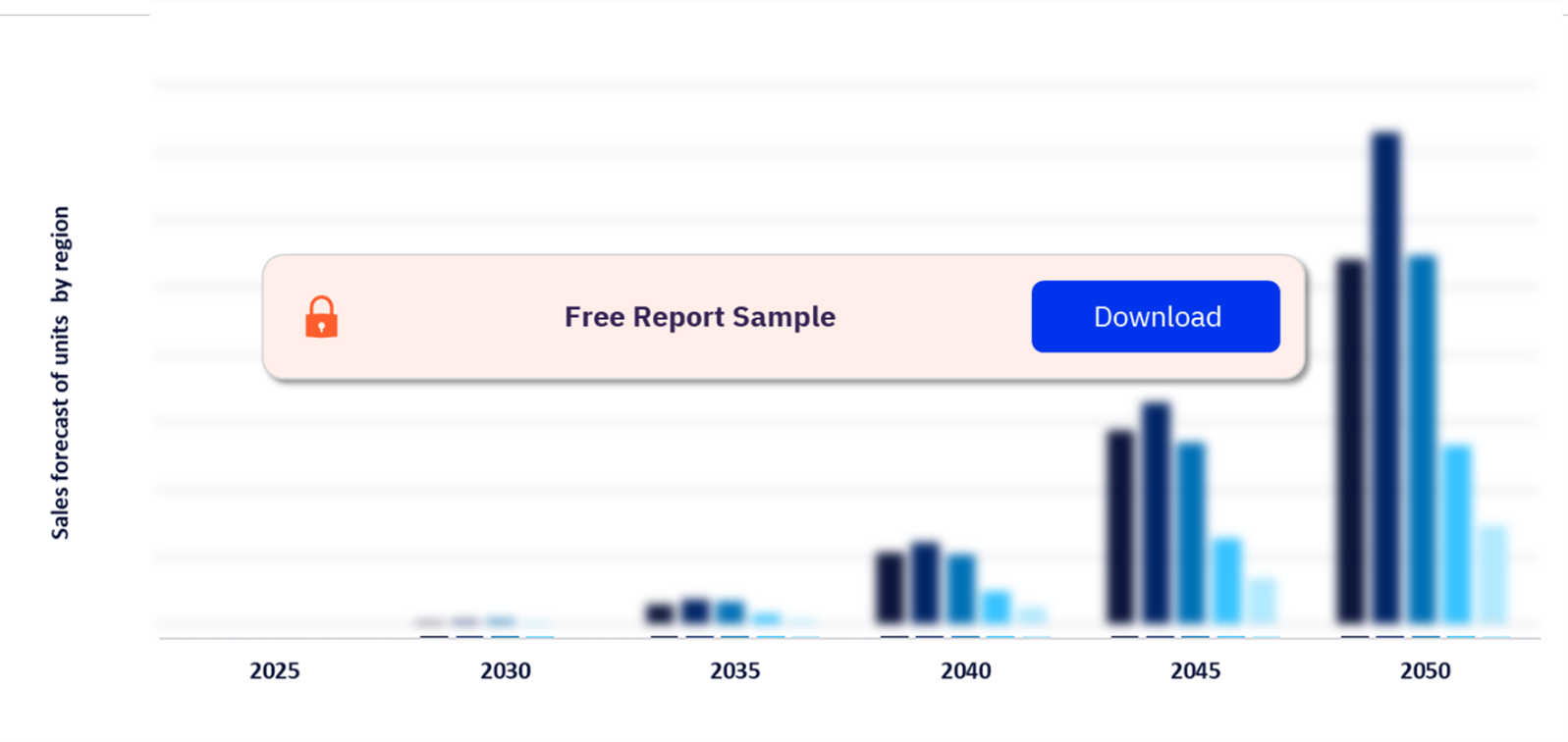
Fully autonomous vehicles can drive themselves without human input, using sensors, actuators, complex algorithms, machine learning systems, and powerful processors. Level 4 automation refers to a vehicle that entirely drives itself within set parameters that are usually defined by software geofences. The US, China, some European countries, and smaller countries that have taken a highly supportive stance on AVs in general will occupy leading positions in the global AV market in the future. The US and China will lead on early deployments of Level 4 AVs.
Global Sales Forecast of Level 4 and 4+ Autonomous Vehicles, 2025-2050 (%)
Buy the Full Report for More Autonomous Vehicle Insights into the Future of Industrials Themes
Key Highlights
- In the automotive sector, autonomous vehicles (AVs) will revolutionize transportation. Electric vehicles (EVs) will become commonplace and reduce greenhouse gas emissions by cutting reliance on fossil fuels. Advanced materials, including carbon fiber and graphene, will make cars lighter and more fuel-efficient. AI will optimize traffic flows and manage smart infrastructure, while AR will offer real-time navigation and hazard detection.
- The construction sector will use robotics and AI to streamline building processes, reducing building time and costs. Advanced materials like self-healing concrete and graphene will improve the longevity and sustainability of structures. Autonomous construction vehicles and drones will perform tasks with precision, while AR will enable virtual project visualization and real-time collaboration.
Aerogel Core Ltd
Airbus
Alibaba
Alphabet
Amazon
Anthropic
Apple
Arconic
Aurora
Autosist
Avangrid
Baidu
Beep
BMW
Buildots
BYD
Cyngyn
Delphi
Didi Chuxing
Ecodyne
EnerSys
Elitac
ENEOS
Environmental Defence Fund
Event 38
GE Aerospace
GM
Grab
Hipert
HERE Technologies
Hexcel
Huawei
IBM
iMotion
Intel
Kodiak
Lenovo
Lifesize Plans
Lockheed Martin
Lyft
Markforged
Megvii
Mercedes-Benz
Minus Zero
NanoTech
NavInfo
NIO
Nvidia
Otonomo
OpenAI
Panasonic
Piaggio
Point one
Quanergy
Realwear
Red 6
Rokid
SAIC
Samsung
Samsara
Schneider Electric
Scana
Siemens
SpaceX
SupraPolix
Tencate
Tesla
Thirdeye
TORC
TomTom
tuSimple
Turing
Uber
Volkswagen
Volta Trucks
Vuzix
Waabi
Waymo
Wayve
Windows
Zoox
Table of Contents
Frequently asked questions
-
What are the factors driving changes and innovations in the industrial sector?
Numerous factors including geopolitical tensions, sustainability concerns, technological advancements, rising labor costs, demographic shifts, and globalization will drive changes and innovations in the industrial sector.
-
How can AR help in remote assistance in the industrial sector?
AR uses smart glasses or headsets with zoom capabilities for inspections. Thus, it enables remote assistance for maintenance and repair and guides technicians step-by-step through the process.
-
What are the benefits of AI in the industrial sector?
AI applications in the industrial sector can help facilitate planning, designing, modeling, safety, site monitoring and maintenance, and emissions tracking. AI also enhances the development and implementation of other technologies, such as robotics and IoT.

Get in touch to find out about multi-purchase discounts
reportstore@globaldata.com
Tel +44 20 7947 2745
Sample Report
Future of Industrials – Thematic Intelligence was curated by the best experts in the industry and we are confident about its unique quality. However, we want you to make the most beneficial decision for your business, so we offer free sample pages to help you:
- Assess the relevance of the report
- Evaluate the quality of the report
- Justify the cost
Download your copy of the sample report and make an informed decision about whether the full report will provide you with the insights and information you need.


Related reports
View more Technology reports

