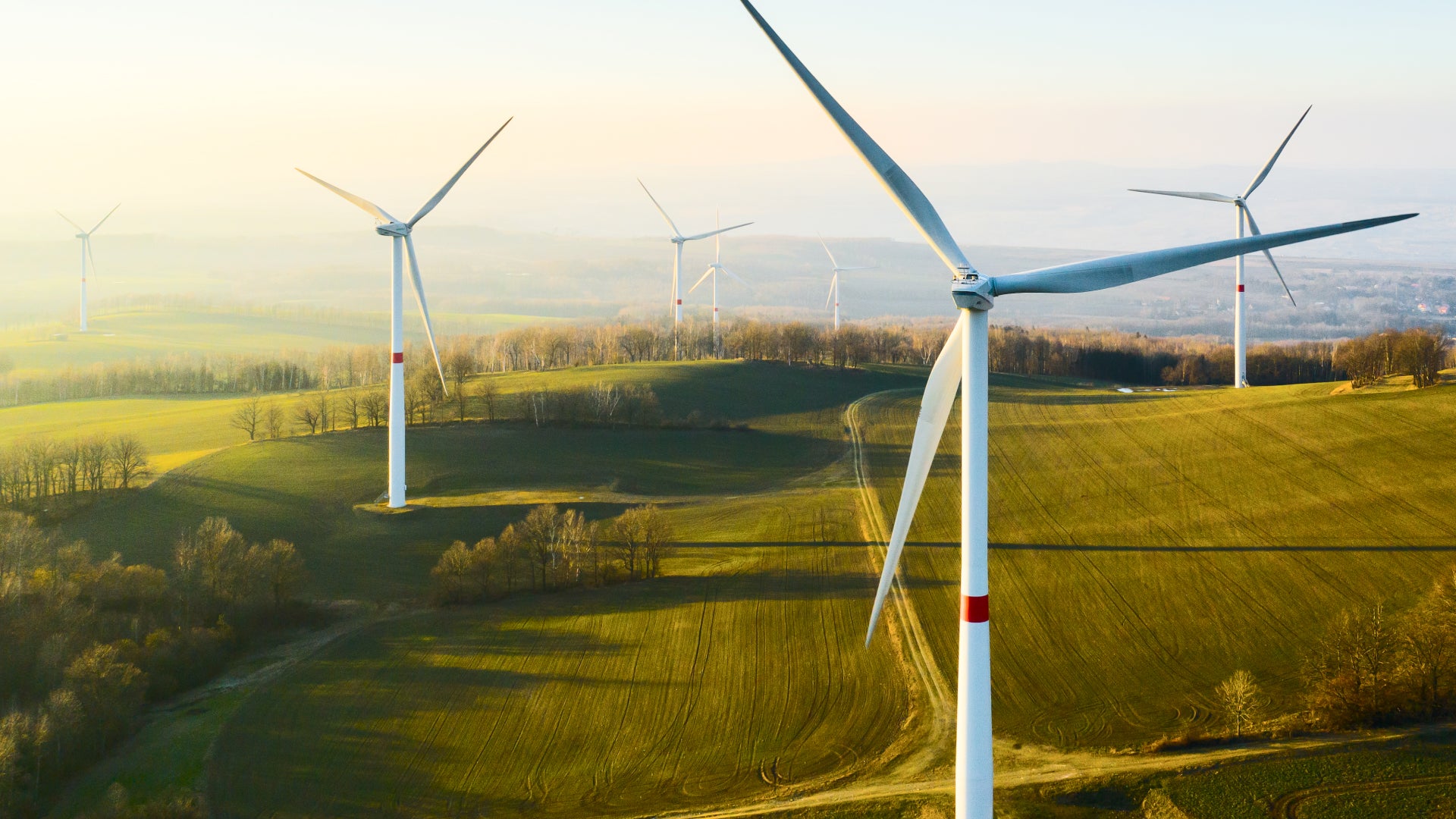
Asia is emerging as a global clean energy growth hub, with renewable power having already crossed the halfway mark of Asia’s overall power capacity in 2024, driven by rapid solar PV expansion. However, coal remains deeply embedded in several markets and is still forecasted to be the leading single source of power in the region in 2025. While in recent years numerous countries in the region have implemented renewable energy and net-zero targets, according to the Climate Action Tracker, these measures are proving insufficient to reach NDC targets under the Paris Agreement of 2015.
Asia remains at the forefront of the global energy transition, driven by rapid expansion in renewables, electric mobility, and low-carbon fuels. China continues to dominate regional clean energy growth, accounting for the majority of EV, green hydrogen, and renewable refinery capacity, while India and Southeast Asia are emerging as fast followers. Renewable fuels and CCUS are gaining traction, supported by new policy frameworks and increasing regional investment in biofuel infrastructure. However, deployment across the region remains uneven.
Scope of Report
Asian CO2 emissions, renewable energy potential, leaders in renewable energy, renewable energy policies, power consumption and demand, renewable power capacity and generation, decommissioning of thermal power, energy storage capacity, electric vehicle and hybrid vehicle sales, upcoming renewable refineries, biodiesel, RD, SAFs, CCUS outlook, upcoming CCS projects, hydrogen policies, upcoming hydrogen capacity by stage, type and end use.
Key Highlights
Asia was the leading contributor to CO2 emissions from 2000 to 2024.
China is the major power demand market in Asia, forecasted to account for 67% of the region’s consumption and demand in 2025.
Renewable power is forecasted to account for 72% of Asia’s total power capacity by 2035.
Only China is set to surpass the milestone of generating over half of its power from renewables by 2035.
Upcoming thermal power capacity is forecast to outweigh decommissioning capacity, as Asian countries rely on fossil fuels to meet rapidly increasing power demand.
Alongside BYD, Volkswagen Group, and Geely remain among the top EV producers in Asia by 2037.
China is the regional – and global – leader for active green hydrogen capacity, whereas India has the highest pipeline capacity.
Reasons to buy
Assess the current regional emissions, thermal and renewable capacity, and generation share, and identify which countries are driving the energy transition in Asia.
Identify market trends within the industry, including expected 2030 capacities for a range of technologies.
Identify who the leading countries and regional players are in renewable energy capacity and energy transition technologies such as hydrogen and CCUS.
Understand the legislative framework laid out by the region’s governments aimed at accelerating the region's decarbonization and energy transition.
Key Stakeholders
Table of Contents
Tables
Sector grid and leaders
Major EPC and equipment manufacturers for solar and wind
Largest active and upcoming renewable refineries in Asia
Largest upcoming carbon capture and storage plants
CCUS regulatory framework in Asia
Largest upcoming low-carbon hydrogen plants in Asia
Hydrogen regulatory framework in Asia
Graphs
Annual CO2 emissions by region, 2000-2024
Top 5 emitting countries in Asia, 2000-2024
Top 5 Asian countries' power consumption and demand, 2015-2035
Power consumption and demand by industry in Asia, 2025-2035
Asia total power capacity share by technology type, 2025
Asia total power capacity share by technology, 2035
Asia power generation share, 2018-2035
Asia renewable energy generation, 2018-2035
Renewable generation share of the largest economies in Asia, 2025-2035
Upcoming and decommissioning thermal power capacity in Asia, 2025-2035
Major regional players in solar PV capacity based on active and announced projects
Major regional players in wind capacity based on active and announced projects
Global vs Asian energy storage capacity, 2020-2030
Asia energy storage capacity by technology, 2020-2030
Top Asian countries for energy storage capacity, 2020-2030
Global vs Asia-Pacific BEV sales, 2020-2037
Asia-Pacific BEV and Hybrid sales forecast, 2020-2037
Asian countries' BEV sales forecast, 2020-2037
Asian EV charging points and sites with EV charging facilities, 2019-2029
Active and announced renewable refineries in Asia, 2025YTD
Global vs Asian renewable refinery capacity, 2020-2030
Asian renewable fuel production capacity by technology type, 2020-2030
Asian countries with RD capacity, 2020-2030
Asian countries with SAF capacity, 2020-2030
Asian countries' CCS capacity, 2025-2030
Asian countries' active and upcoming CCS capacity by stage, 2025YTD
Asian countries with standalone carbon capture capacity, 2025-2030
Asian countries with standalone carbon storage capacity, 2025-2030
Industries adopting CCS technology in Asia by active and announced projects, 2025YTD
Global vs Asia low-carbon hydrogen capacity by development stage, 2025YTD
Asia low-carbon hydrogen capacity by development stage, 2025-2030
Leading Asian countries by green and blue low-carbon hydrogen max capacity
China vs India active and upcoming low-carbon hydrogen capacity
Low-carbon hydrogen allocated to end-use industries in Asia