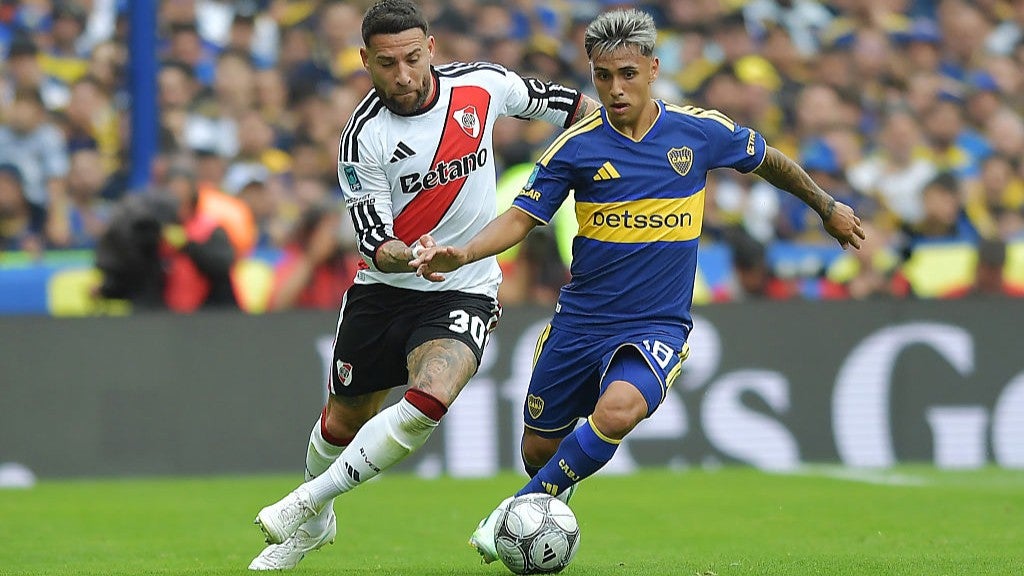
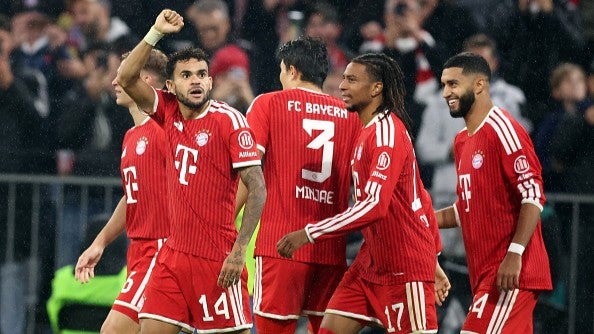
The Business of the Bundesliga 2026–27 is a GlobalData Sport property profile of Germany’s top-flight soccer league. Drawing on 1,149 sponsorship deals across the 18 clubs and the league body (the DFL, now Bundesliga GmbH), alongside GlobalData media-rights data, it sizes the league’s sponsorship market from 2020–21 to 2026–27 and explains where the money comes from. The report analyzes sponsorship by club, brand industry and brand home market; sponsor churn and renewal; front-of-shirt, kit supplier, sleeve and stadium naming-rights deals; the DFL’s central partner portfolio; the 2025–29 domestic media-rights cycle by broadcaster and international distribution. It also covers attendance, season-ticket pricing, club finances, social media following and the 50+1 ownership rule, with five things to watch and sponsorship profiles for all 18 clubs.
Bundesliga sponsorship reached a record $1,208.6m in 2026–27, but only the league body grew it. Total value rose 0.3% from $1,205.6m across 1,149 deals, after a 13.4% rise in 2025–26, giving a six-year CAGR of 4.3%. Club sponsorship for the 15 clubs in the top flight in both seasons rose just 0.9%; relegation removed $87.7m and the three promoted clubs added $47.0m. The DFL’s central partner portfolio grew 37.3% to $128.4m across 12 partners, led by EA Sports’ renewal at $48.6m a year.
Money is concentrated at the top. Bayern Munich holds 29.6% of club sponsorship ($319.5m), and Bayern and Borussia Dortmund together take 45.4%. The mix underneath is changing: technology, media & telecom is now the leading sector with 20.7% of value, while automotive has fallen to 6.8% from 12.8% in 2020–21 after Volkswagen left the league with relegated VfL Wolfsburg. US-headquartered brands hold a record 13.1% of value, almost entirely through central DFL deals.
Front-of-shirt value fell 8.3% to $272.0m as the last carmaker left the shirt, and adidas and PUMA hold 85.8% of kit supply value. Domestic media rights are worth €1,121.0m ($1,178.2m) a year to 2028–29, second in Europe but only 1.9% up on the last cycle, so growth must come from central sponsorship and international rights. The league remains Europe’s best attended, with a record 41,562 average in 2025–26 and standing season tickets at a fraction of Premier League prices, and the 50+1 rule survived a Federal Cartel Office review in August 2026.
Scope of Report
Overview: executive summary, the 2026–27 season in numbers, and the competition and its 50+1 ownership rule.
The commercial market: sponsorship market size and trend since 2020–21, the bridge from 2025–26 to 2026–27, club concentration and deal size, a club scorecard, a Bayern Munich case study against Europe’s biggest clubs, sponsorship by brand industry and brand home market, brand arrivals and exits, and sponsor renewal rates.
Shirts & kit: every front-of-shirt deal, front-of-shirt value by industry, kit supplier value by brand and by club, and every sleeve deal.
League & media: the DFL’s central partner portfolio, the 2025–29 domestic media-rights cycle benchmarked against the big five, rights and value by broadcaster, and international media deals and distribution in the US, UK and Brazil.
Clubs, matchday & audience: attendance, season-ticket prices against the Premier League and LaLiga, stadium naming rights, personnel costs and club finances, social media following, the 50+1 ruling and five things to watch.
Appendix: sponsorship portfolio profiles for all 18 clubs, club social media data by platform, glossary and method, and references.
Key Highlights
Total Bundesliga sponsorship reached a record $1,208.6m in 2026–27 across 1,149 deals, up 0.3%; the six-year CAGR since 2020–21 is 4.3%.
The DFL’s central partner portfolio grew 37.3% to $128.4m, while like-for-like club sponsorship rose just 0.9%.
Bayern Munich holds 29.6% of club sponsorship ($319.5m); Bayern and Borussia Dortmund together take 45.4%.
Technology, media & telecom is the leading sector with 20.7% of value; automotive has fallen to 6.8% from 12.8% in 2020–21.
US-headquartered brands hold a record 13.1% of sponsorship value ($158.1m), mostly through central DFL deals.
Front-of-shirt value fell 8.3% to $272.0m across 18 deals, led by Deutsche Telekom’s $75.6m deal at Bayern; adidas and PUMA hold 85.8% of kit supply value.
Domestic media rights are worth €1,121.0m ($1,178.2m) a year for 2025–26 to 2028–29, up 1.9% on the previous cycle; Sky pays more than half.
The Bundesliga averaged a record 41,562 fans a match in 2025–26, and a Premier League season ticket costs 3.3 times a Bundesliga one.
Reasons to buy
Size the Bundesliga sponsorship market with GlobalData annual deal values for all 18 clubs and the DFL, tracked from 2020–21 to 2026–27.
Benchmark sponsorship fees by club, industry, brand home market and inventory, including front-of-shirt, kit supplier, sleeve and stadium naming rights.
Identify the brands entering and leaving the league, renewal rates and deal end dates to find partnership opportunities.
Understand the value of the 2025–29 domestic media-rights cycle by broadcaster and how the league sells its rights internationally.
Assess how attendance, ticket pricing, club finances, social reach and the 50+1 ownership rule shape the commercial model of German clubs.
Compare Bayern Munich and the Bundesliga with Europe’s other big clubs and leagues on sponsorship, media rights, attendance and season-ticket prices.
Key Stakeholders
Table of Contents
Tables
League Sponsorship Annual Revenue
Partnership history
Industry breakdown
Team Names
Kit Supplier tables
Front-of-shirt tables
Sleeve tables
Team Sponsorship Annual Values
Prominent brands table
Year-on-Year Change
Individual team sponsorship graphs
Stadium Capacity & Revenue tables
Social media tables