
Chimeric antigen receptor (CAR) cell therapy is an immuno-oncology (IO) approach. It has gained increasing momentum in the past few years, with two new CAR-T cell products approved in the US and EU in 2017 and 2018 respectively. Immuno-oncology therapies utilize the human body’s immune responses, both adaptive and innate, to target cancer. Most of the mechanisms involved in human IO therapies revolve around priming and boosting the immune system via stimulation of antigen-presenting cells, T-cells, or innate cells, reducing immunosuppression in the tumor environment by regulating inhibitory pathways, and enhancing adaptive or innate immunity.
The CAR cell therapy market research report provides quotes from eight US- and 5EU-based key opinion leaders, payers, and researchers. This report will help design development strategies by understanding innovative development strategies likely to improve CAR cell therapy perceptions and uptake in the future.
Approved CAR-T Cell Products
Some of the top approved CAR-T cell therapy products are Kymriah and Yescarta. Novartis has the advantage of its Kymriah being the first-to-market CAR cell therapy; however, physician and payer concerns regarding patient outcomes may negate this benefit and enhance Gilead’s Yescarta’s success. Although Yescarta was approved later than Kymriah, early data suggest efficacy may be greater, which Gilead could leverage to encourage use over Kymriah in overlapping indications.
Preclinical CAR Cell Products in Development in the 8MM by Sponsor Type
The key sponsor types for the preclinical CAR cell products in development in the 8MM are academic institution and company. Pharma and biotech companies are leading with most of the development.
CAR Cell Products in the 8MM Analysis, by Sponsor Type
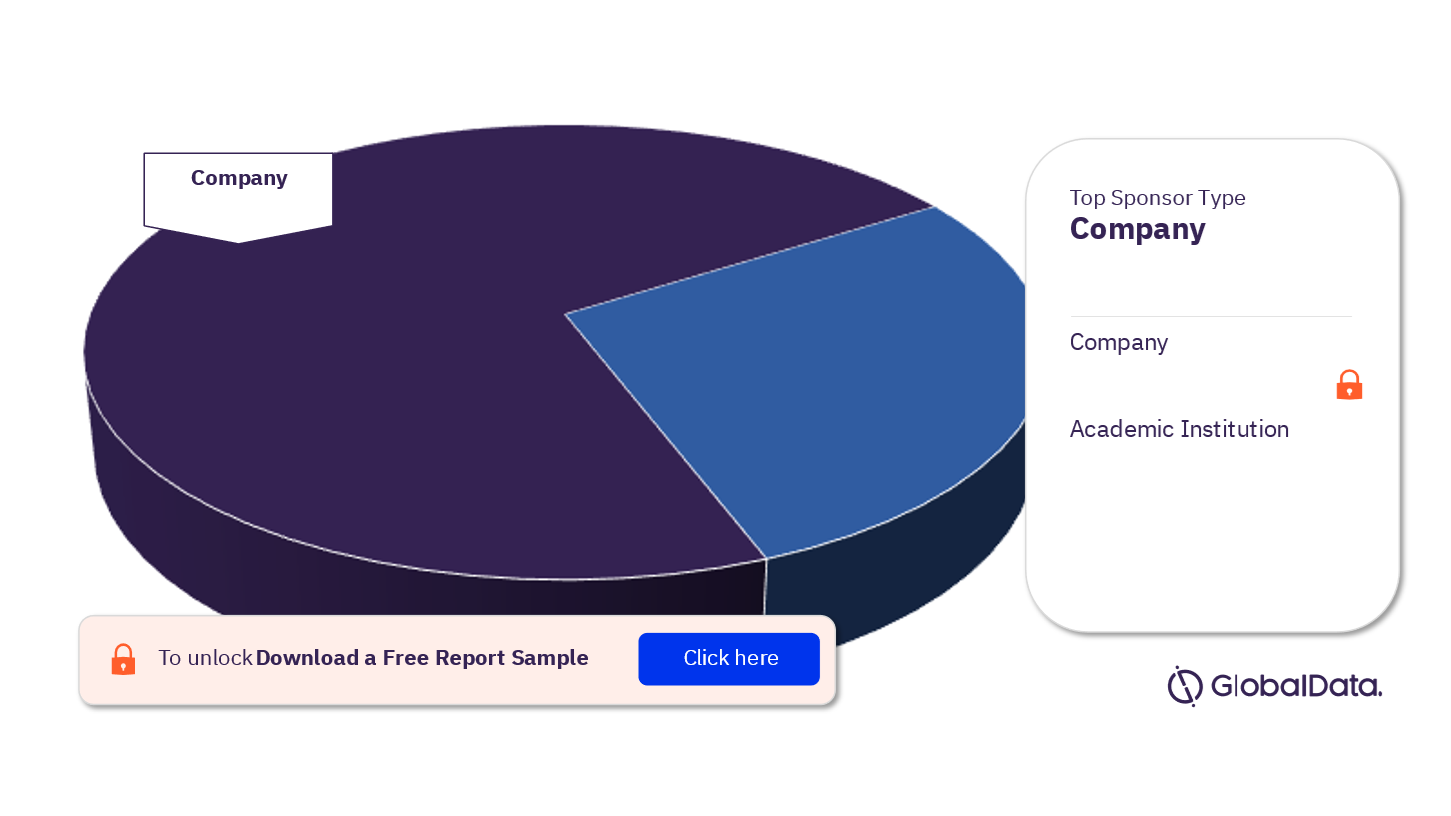
For more insights into the sponsor types of CAR cell products in 8 MM, download a free report sample
CAR Cell Products in Development in the 8MM by Cell Type
The key cell types in the preclinical car cell products in development in the 8MM are T cells, NK cells, and cytokine-induced killer (CIK) cells. Most preclinical candidates are CAR T-cells, followed by NK cells.
CAR Cell Products in the 8MM Analysis, by Cell Type
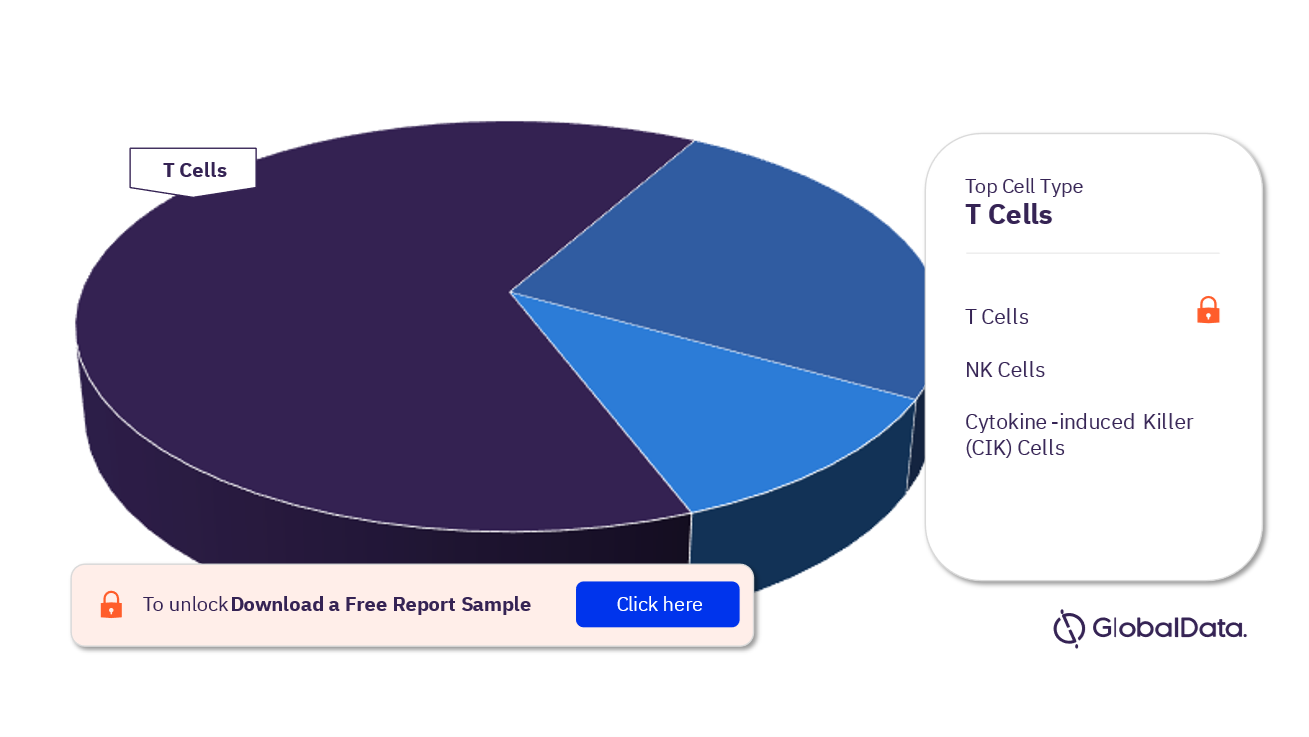
For more insights into the cell types of CAR cell products in 8MM, download a free report sample
CAR Cell Therapy Market Challenges
The key challenges in the CAR cell therapy market are pricing issues, toxicity, manufacturing, and resistance.
Pricing issues: Pricing is an important potential barrier to accessing CAR cell therapies. Autologous CAR-T cell therapies are a high-cost therapy associated with expensive R&D, manufacturing, and administration procedures, so to be commercially viable for developers, they are likely to continue to be associated with high market prices.
CAR-T Cell Therapies Developed by 6MM Companies
Some of the leading companies in the CAR-T cell therapy development based in the 6MM are Novartis AG, Gilead Sciences, Inc., bluebird bio, Inc., The Bristol-Myers Squibb Company, Autolus, and Celyad Oncology among others.
CAR Cell Therapy Market Report Overview
| Key Approved Products | Kymriah and Yescarta |
| Key Sponsor Type | Academic Institution and Company |
| Key Cell Type | T cells, NK cells, and Cytokine-induced Killer (CIK) Cells |
| Leading Companies in 6MM | Novartis AG, Gilead Sciences, Inc., bluebird bio, Inc., The Bristol-Myers Squibb Company, Autolus, and Celyad Oncology |
Scope
GlobalData’s Chimeric Antigen Receptor Cell Therapy report combines primary research from a cross-specialty panel of oncology experts with in-house analyst expertise to provide an assessment of the development landscape (including regulation), key challenges, and future directions for CAR cell therapies.
Components of the slide deck include primary and secondary research:
- Quotes from eight US- and 5EU-based key opinion leaders, payers, and researchers
- Quotes from three Japan-based key opinion leaders
- Summary of CAR-cell therapy mechanism of action and history of development
- Overview of late-stage CAR cell pipeline and two marketed products
- Outline of regulatory pathways in place for CAR cell therapies across the 8MM, challenges that currently face CAR cell therapies, and future directions for CAR cell therapies
- Call-outs of key information and details
- Insight from GlobalData’s specialist oncology analysts
Reasons to buy
- Develop business strategies by understanding the challenges facing CAR cell therapies.
- Design development strategies by understanding innovative development strategies likely to improve CAR cell therapy perceptions and uptake in the future.
- Be acquainted with regulatory processes relevant to CAR cell therapies across the US, 5EU, Japan, and China.
- Develop strategies by understanding expert perceptions of currently approved CAR cell therapies, challenges facing CAR cell therapies, and future directions of CAR cell therapy.







