
Reasons to buy the ‘Digital Transformation and Emerging Technologies in the Healthcare Industry’ report:
- Benchmark the level of business readiness and technology adoption.
- Gain a deeper understanding of the business functions affected the most by digital transformation.
- Identify and assess barriers to adopting emerging technologies.
- Define the critical requirements for success.
- Determine the importance of emerging technologies to the pharmaceutical industry.
- Evaluate current levels of investment and identify both present and future investment priorities.
- Analyze the impact of COVID-19, inflation, and other factors on digitalization efforts.
- Explore the impact of emerging technologies on the pharmaceutical value chain.
- Assess the role of digital transformation in sustaining competitive advantage.
How is our ‘Digital Transformation and Emerging Technologies in the Healthcare Industry’ report unique from other reports in the market?
- Stay up to date on the scope, challenges, and essentials for the digital transformation within the healthcare industry.
- Explore how innovations are transforming the healthcare industry and what impact these technologies will have on the sector in the near future.
- Develop and design your corporate strategies through an in-house expert analysis of the key factors of digital transformation and emerging technology in the healthcare sector.
- Develop business strategies by understanding the key factors of digital transformation and emerging technology in the healthcare sector.
- Identify emerging industry trends in the uptake of emerging technologies to gain a competitive advantage.
We recommend this valuable source of information to anyone involved in:
- Healthcare and Pharma Technology Leaders and Start-ups
- Leading AI Adopters in Healthcare
- Specialist AI Vendors in Healthcare
- Distributors, Pharmacies, Research Scientists, and Healthcare IT Specialists
- Executives Leading the Digital Healthcare Segment
- Healthcare Supplies and Manufacturing (Pharma and Medical Devices)
- Products Pipeline Research and Drug Development/Clinical Research Organisations
- Consulting and Professional Services (e.g., Investment Companies, Investment Banks, Equity Companies, etc.)
- Financial Institutions (Investors in Pharma/Biotech, Pricing Consultancies)/Parallel Trade Organisations
To Get a Snapshot of the Digital Transformation and Emerging Technologies in the Healthcare Industry Report
Digital Transformation and Emerging Technologies in the Healthcare Industry Report Overview
Declining profit margins, increasing cost pressures, and the need to both replenish pipelines and maximize peak sales are driving the ongoing shifts in the pharmaceutical industry. Although adopting innovative technologies is seen as a key strategy to mitigate these challenges, the digitalization process is complex, time-consuming, and requires significant investment, along with sustained commitment and transparent dialogue with various stakeholders, including employees, investors, and regulators.
In the ‘Digital Transformation and Emerging Technologies in the Healthcare Industry’ report, GlobalData examines the progress of digital transformation in the pharmaceutical industry. It assesses the industry’s preparedness to embrace innovation, explores the challenges and opportunities associated with digital transformation as well as highlights current and emerging trends in technology-related investments.
Buy the Full Report for More Insights into the Digital Transformation and Emerging Technologies in Healthcare Industry
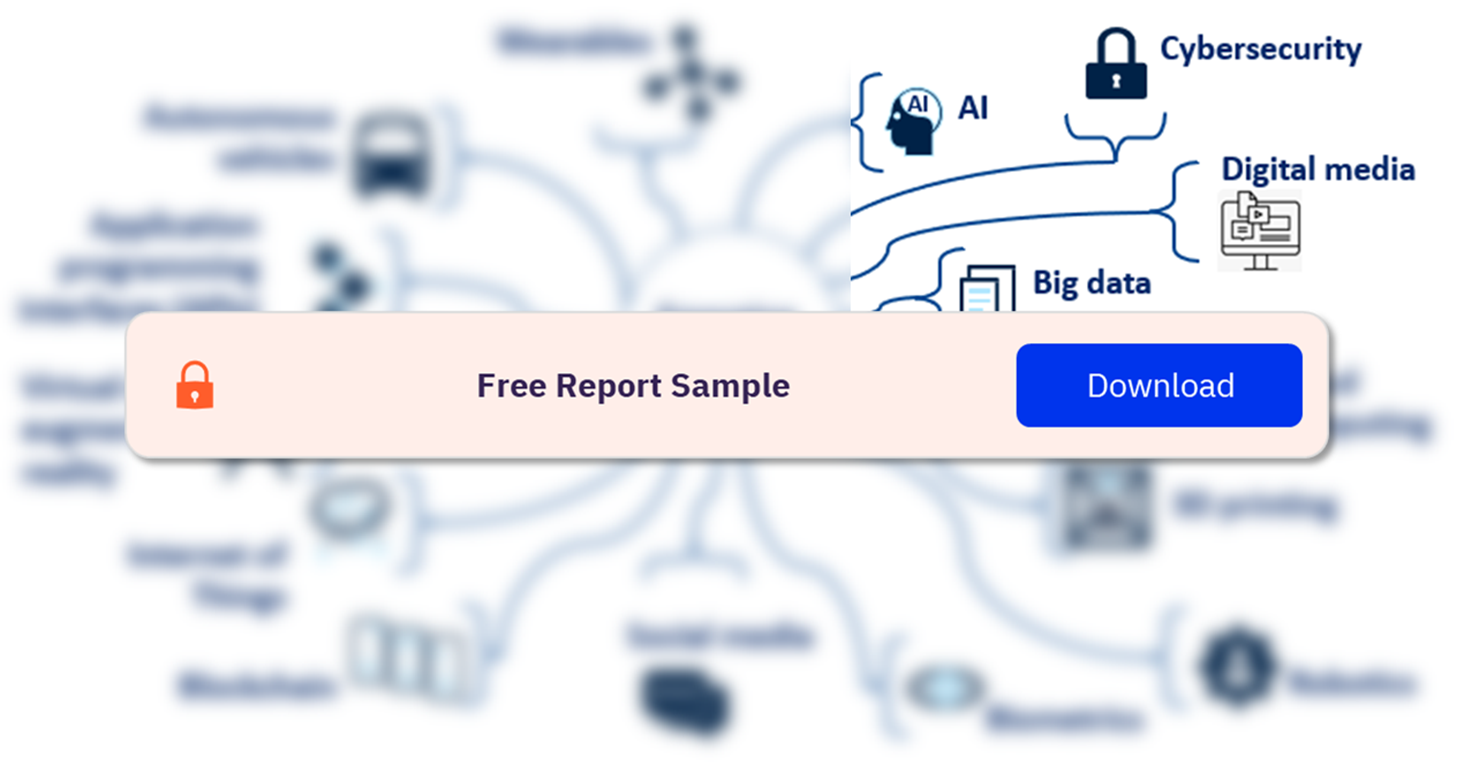
| Emerging Technologies | · AI
· Cybersecurity · Digital Media · Big Data |
| Enquire & Decide | Discover the perfect solution for your business needs. Enquire now and let us help you make an informed decision before making a purchase. |
Digital Transformation - Emerging Technologies
recruitment by analyzing the data. Additionally, in clinical practice, AI-assisted tools can improve diagnostic imaging, surgical operations, enhanced disease detection, and patient triaging.
Emerging Technologies in Digital Transformation
Buy the Full Report for More Emerging Technology Insights into the Digital Transformation Theme
Digital Transformation Strategies
For the pharmaceutical sector, digital transformation is imperative to enhance product development and research processes and ultimately to achieve sustainable growth. A gradually increasing percentage of pharma industry professionals are willing to implement digital transformation or have intentions to implement it as such. This suggests that more organizations see innovation adoption as fundamental for enhancing efficiency, responding to customer expectations, gaining a competitive edge, or building resilience.
Emerging technologies are also set to continue to play a key role in enhancing the marketing and sales process. By improving data collection and processing, timely insights on users’ behaviors and preferences can be obtained, resulting in more effective marketing campaigns or more accurate sales forecasts.
Buy the Full Report for More Digital Transformation Strategy Insights
Digital Transformation Objectives
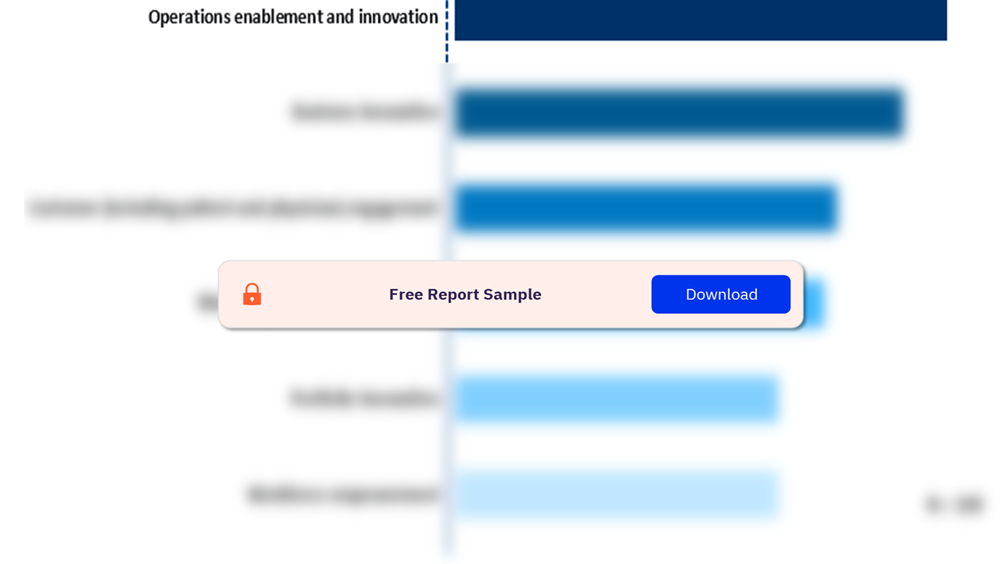
By leveraging innovative technologies, businesses can optimize workflows, streamline processes, and enhance end-user experiences, as a result helping to foster innovative mindset, competitiveness, and ability to respond to any changes in ever-changing business environments. Pharma industry professionals consider operations enablement and innovation as the main scope of digital transformation in 2024. For example, operations enablement can be achieved by automating routine tasks and attaining real-time insights to enable better decision-making to respond to any operational disruptions or challenges.
Scope of Digital Transformations – All Respondents, 2024
Buy the Full Report for More Digital Transformation Objective Insights
Key Highlights
- Digital transformation is steadily advancing in the pharmaceutical industry.
- Operations enablement and innovation continued to be the main purpose of digital transformation in the healthcare sector.
- The majority of survey respondents were optimistic about the growth of digital transformation in their organizations.
- Lack of specific skills and talents, insufficient funding, and organizational silos are hindering emerging technologies uptake.
- Digital privacy and data security issues and increased cyber risks were the leading concerns associated with digital transformation.
- Building a constant culture of change and strong leadership were seen as the most important drivers of a successful digital transformation.
- Pharma executives are prioritizing Big Data, digital media, and cloud computing for current investment, and AI, Big Data, and digital media for the near future.
- AI and Big Data are set to remain the most disruptive powers in the healthcare sector for the next two years.
- Inflation can act as both an obstacle and an enabler for digital transformation.
Key Stakeholders
Table of Contents
Graphs
Figure 1: Respondent Mix – Geography
Figure 2a: Respondent Mix – Seniority Level
Figure 2b: Respondent Mix – Seniority Level
Figure 3: Respondent Mix – Revenue
Figure 4a: Impact from Global Events on Digital Transformation
Figure 4b: Impact from Global Events on Digital Transformation, by geography
Figure 5a: Impact from Global Events on Digital Transformation – COVID-19
Figure 5b: Impact from Global Events on Digital Transformation – COVID-19, by geography
Figure 6: Digital transformation strategies 2019 – 2023
Figure 7: Departments benefiting the most 2023 vs 2022
Figure 8a: Data for large cap biopharma – Cost to bring a drug to market
Figure 8b: Data for large cap biopharma – Projected R&D returns
Figure 9: Improvement in processes 2023 vs 2022
Figure 10: DCTs – Trend Accelerated by COVID-19
Figure 11: Mobile Healthcare and Wearable Devices – the Most Common Virtual Components in DCTs
Figure 12: Impact on investment in emerging technologies by inflation and rising costs
Figure 13: Scope of digital transformations, 2023
Figure 14: Digital Transformation Objectives: A closer look by company size, 2023 vs 2022
Figure 15a: Outlook of digital transformation growth in the next 12 months
Figure 15b: Outlook of digital transformation growth in the next 12 months, by company size
Figure 15c: Outlook of digital transformation growth in the next 12 months, by geography
Figure 16: Obstacles to Digital Transformation, 2023
Figure 17a: A closer look at the top four obstacles: lack of specific skills and talents
Figure 17b: A closer look at the top four obstacles: lack of specific skills and talents, by geography
Figure 17c: A closer look at the top four obstacles: lack of specific skills and talents, by company size
Figure 17d: A closer look at the top four obstacles: insufficient funding
Figure 17e: A closer look at the top four obstacles: insufficient funding, by geography
Figure 17f: A closer look at the top four obstacles: insufficient funding, by company size
Figure 18a: A closer look at the top four obstacles: organizational silos
Figure 18b: A closer look at the top four obstacles: organizational silos, by geography
Figure 18c: A closer look at the top four obstacles: organizational silos, by company size
Figure 18d: A closer look at the top four obstacles: legacy systems
Figure 18e: A closer look at the top four obstacles: legacy systems, by geography
Figure 18f: A closer look at the top four obstacles: legacy systems, by company size
Figure 19: Obstacles to digital transformation 2023 vs 2022
Figure 20: A closer look at concerns 2019 – 2023
Figure 21: A closer look at concerns, by geography
Figure 22: A closer look at concerns, by geography, 2023 vs 2022
Figure 23: Factors for successful digital transformation, 2023
Figure 24: Factors for successful digital transformation, 2023 vs 2022
Figure 25: Factors for successful digital transformation — a closer look by geography
Figure 26: Technologies that pharma is prioritizing for current investments
Figure 27: Increase in investment in emerging technologies due to inflation
Figure 28: Decrease in investment in emerging technologies due to inflation
Figure 29: Uptake of emerging technologies in the next two years
Figure 30: Job Analytic Graphs on AI and Big Data
Figure 31: Uptake of emerging technologies in the next two years, 2023 vs 2022
Figure 32: Most disruptive technologies in the upcoming two years
Figure 33: AI Can Be Used Across the Entire Pharma Value Chain
Figure 34a: Emerging Technologies and Pharmaceutical Value Chain
Figure 34b: Emerging Technologies and Pharmaceutical Value Chain
Figure 34c: Emerging Technologies and Pharmaceutical Value Chain
Figure 34d: Emerging Technologies and Pharmaceutical Value Chain
Figure 34e: Emerging Technologies and Pharmaceutical Value Chain
Figure 34f: Emerging Technologies and Pharmaceutical Value Chain
Figure 34g: Emerging Technologies and Pharmaceutical Value Chain
Figure 34h: Emerging Technologies and Pharmaceutical Value Chain
Figure 35a: Annual company reports with AI mentions
Figure 35b: AI sentiment – annual reports
Figure 36a: AI in Drug Discovery – Drugs by highest phase of development
Figure 36b: AI in Drug Discovery – Drugs by therapy area
Figure 37: What Is Generative AI?
Figure 38a: Respondents’ Thoughts on Generative AI
Figure 38b: Respondents’ Thoughts on Generative AI, by geography
Figure 39: Various areas of healthcare industry could benefit from generative AI







