Female Infertility in Major Markets, Disease Management, Epidemiology, Pipeline Assessment, Unmet Needs and Drug Forecast to 2033

Powered by

All the vital news, analysis, and commentary curated by our industry experts.

Reasons to buy the ‘Female Infertility’ market report:

  • Assess annualized female infertility therapeutics market revenue, cost of therapy per patient, and treatment usage patterns forecast from 2023 to 2033.
  • Get access to key topics including strategic competitor assessment, market characterization, unmet needs, clinical trial mapping, and implications of these factors for the female infertility therapeutics market.
  • Detailed pipeline analysis, with comprehensive data assessing, emerging trends and mechanisms of action under development for female infertility treatment. The most promising candidates in late-stage development are also profiled.
  • Analyze the current and future market competition in the global female infertility therapeutics market. Insightful review of the key industry drivers, restraints, and challenges. Each trend is independently researched to provide a qualitative analysis of its implications.

How will the ‘Female Infertility in Major Markets’ report help achieve your business goals?

  • Develop and design your in-licensing and out-licensing strategies through a review of pipeline products and technologies and identify the companies with the most robust pipeline.
  • Develop business strategies by understanding the trends shaping and driving the 7MM female infertility therapeutics market.
  • Drive revenues by understanding the key trends, innovative products and technologies, market segments, and companies likely to impact the 7MM female infertility therapeutics market in the future.
  • Formulate effective sales and marketing strategies by understanding the competitive landscape and by analyzing the performance of various competitors.
  • Identify emerging players with potentially strong product portfolios and create effective counterstrategies to gain a competitive advantage.
  • Organize your sales and marketing efforts by identifying the market categories and segments that present maximum opportunities for consolidations, investments, and strategic partnerships.

We recommend this valuable source of information to anyone involved in: 

  • ​​​​​​​Pharmaceutical/Biotech/Drug Manufacturing Companies (Big Pharma, Small Biotech, Start-ups, etc.),
  • Pharmaceutical Industry Suppliers (e.g., Consulting Companies, CMOs, CDMOs, CROs, Technology Vendors)
  • Pharma Manufacturers/Distributors (Innovative, Biotech, Generics, Biosimilars, Rare/Orphan Disease)
  • Financial Institutions (Investors in Pharma/Biotech, Pricing Consultancies)/Parallel Trade Organizations
  • Clinical Research Organizations (CROs)/Hospitals, Healthcare Organizations (HTA Bodies, Reimbursement Groups and Payers, Government Healthcare Organizations)
  • Consulting and Professional Services (e.g., Investment Companies, Investment Banks, Equity Companies, etc.)

To Get a Snapshot of the Female Infertility in Major Markets Report

Download a Free Report Sample

Female Infertility Market Report Overview

The female infertility market size across the 7MM was $1.6 billion in 2023. The market will achieve a CAGR of more than 3% during 2023-2033 because of the projected increase in assisted reproductive technology (ART) treatment rates in the 7MM during the forecast period.

Female Infertility Market Outlook, 2023-2033 ($ Billion)
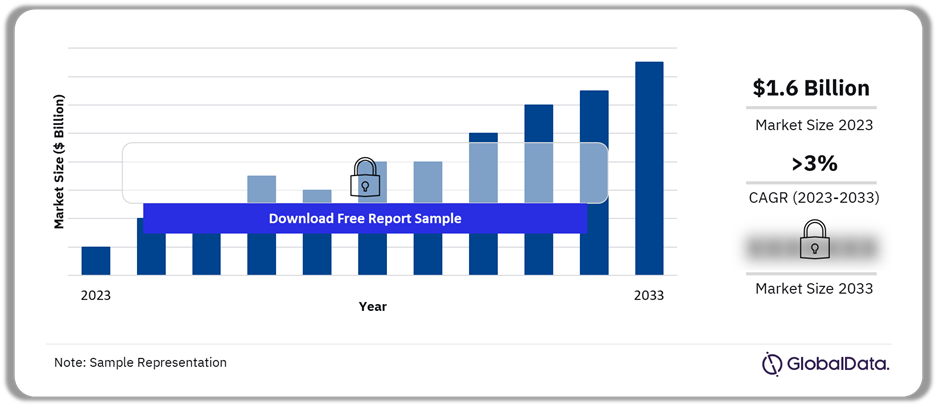
Female Infertility Market Outlook, 2023-2033 ($ Billion)

Buy the Full Report to Know More about the Female Infertility Market Forecast

Download a Free Report Sample

The female infertility market research report offers a comprehensive insight into the market through 2033. The report provides an overview of the disease including epidemiology, diagnosis, disease management, countries where the disease is prevalent, and leading players associated with the market. The report also includes the current treatment options available along with an analysis of the pipeline products.

Market Size (2023) $1.6 billion
CAGR (2023-2032) >3%
Forecast Period 2023-2033
Key Countries ·       US

·       France

·       Germany

·       Italy

·       Spain

·       UK

·       Japan

Key Class ·       Aromatase Inhibitor

·       Gonadotropins

·       GnRH Agonists

·       GnRH Antagonists

·       Human Chronic Gonadotropin

Leading Players ·       Ferring Holdings

·       Allergan Plc/AbbVie

·       Merck & Co

·       Novartis AG

·       Sanofi

Enquire & Decide Discover the perfect solution for your business needs. Enquire now and let us help you make an informed decision before making a purchase.

Female Infertility Market Segmentation by Countries

Increased sales throughout the forecast period due to the growing populations in the US drive the female infertility market in the country

A few of the key countries where the female infertility market is prevalent are the US, France, Germany, Italy, Spain, the UK, and Japan. The US had the highest female infertility market share in the 7MM in 2023 and will continue to grow more rapidly than the 5EU and Japan. This can be attributed to the potential launch of Kissei Pharmaceutical’s linzagolix choline and IBSA Institut Biochimique’s subcutaneous progesterone.

Female Infertility Market Analysis by Countries, 2023 (%)
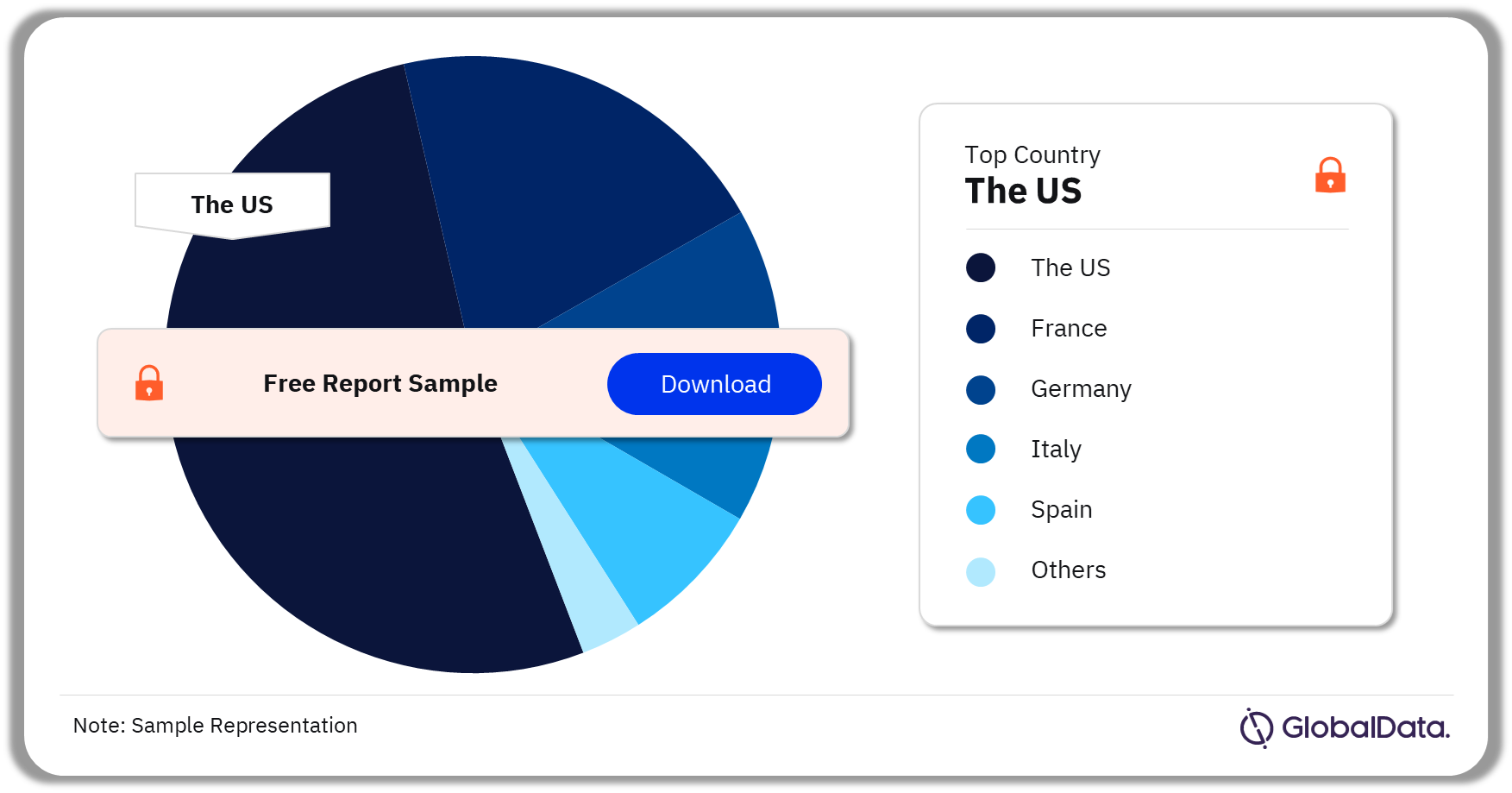
Female Infertility Market Analysis by Countries, 2023 (%)

Buy the Full Report for More Country Insights into the Female Infertility Market

Download a Free Report Sample

Female Infertility Market Segmentation by Class

A few of the key classes in the female infertility market are aromatase inhibitor, gonadotropins, GnRH agonists, GnRH antagonists, and human chronic gonadotropins. Gonadotropins are the drug class forecast to generate the highest sales.

US Female Infertility Market Analysis by Class, 2023 (%)
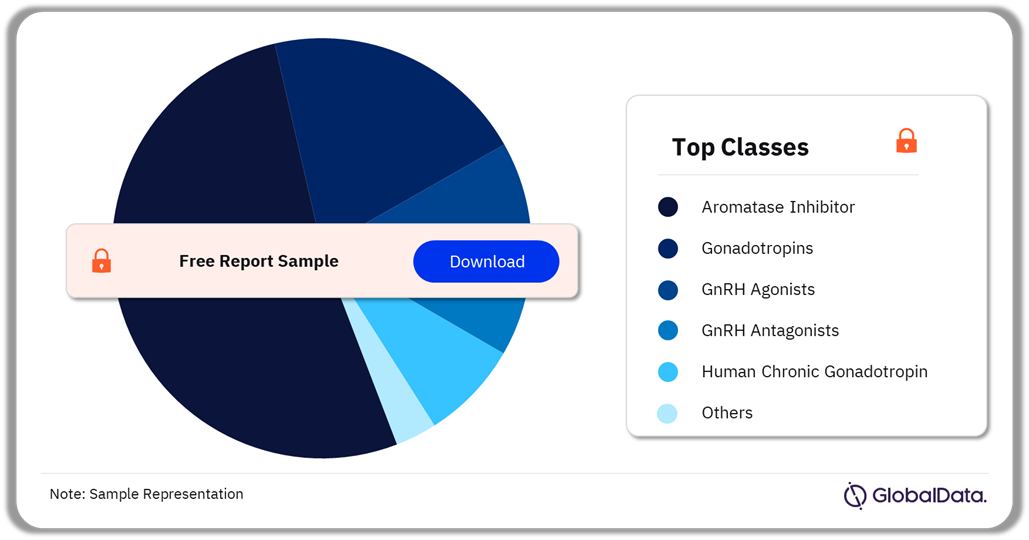
US Female Infertility Market Analysis by Class, 2023 (%) 

Buy the Full Report for More Class Insights into the Female Infertility Market

Download a Free Report Sample

Female Infertility Market - Competitive Landscape

The female infertility market is highly competitive with several key players dominating the field. A few of the major players in the market are:

  • Ferring Holdings
  • Allergan Plc/AbbVie
  • Merck & Co
  • Novartis AG
  • Sanofi

Female Infertility Market Analysis by Players, 2023

Female Infertility Market Analysis by Players, 2023

Buy the Full Report to Know More about Companies in the Female Infertility Market

Download a Free Report Sample

Segments Covered in the Report

Female Infertility Country Outlook (Value, $ Billion, 2023-2033)

  • US
  • France
  • Germany
  • Italy
  • Spain
  • The UK
  • Japan

Female Infertility Class Outlook (Value, $ Billion, 2023-2033)

  • Aromatase Inhibitor
  • Gonadotropins
  • GnRH Agonists
  • GnRH Antagonists
  • Human Chronic Gonadotropin
Kissei Pharmaceutical
Ferring Pharmaceuticals
IBSA Institut Biochimique
Merck
Novartis
Sanofi
Pfizer
FujiPharma
AstraZeneca
ASKA Pharmaceutical
Allergan
Juniper
MSD
Organon Theramex
Alexion Pharmaceuticals Inc
Daiichi Sankyo Co Ltd
Galderma SA
Chinook Therapeutics Inc
CSL Ltd
Kibow Biotech Inc
Novo Nordisk AS
Dimerix Ltd
ProKidney Corp
Lexicon Pharmaceuticals Inc
Viatris Inc
Merck & Co Inc
Acceleron Pharma Inc
Bayer AG
Gilead Sciences Inc
Galapagos NV
AbbVie Inc
Sanofi
Bristol Myers Squibb
Amgen Inc
Eli Lilly and Co
Novartis International AG
Roche Holding AG
Entera Bio Ltd
Pfizer Inc
Actavis Plc
Teva Pharmaceutical Industries Ltd
UCB S.A.

Table of Contents

About GlobalData

List of Contents

List of Tables

List of Figures

1            Female Infertility: Executive Summary

1.1         Female infertility will grow moderately during the forecast period, reaching sales of $2.3 billion in

2033.

1.2         R&D strategies focused largely on improved versions of current drugs.

1.3         Despite major progress in treating patients, unmet needs exist in the space.

1.4         Sparse pipeline, but potential new addition highly intriguing to physicians

1.5         What do physicians think?

2            Introduction

2.1         Catalyst

2.2         Related reports

2.3         Upcoming reports

3            Disease Overview

3.1         Etiology and pathophysiology

3.1.1     Diminished ovarian reserve and ovulation disorders.

3.1.2     Endometriosis

3.1.3     Fallopian tube abnormalities/pelvic adhesions

3.1.4     Uterine factors

3.1.5     Unexplained infertility

3.1.6     Other factors

4            Epidemiology

4.1         Disease background

4.2         Risk factors and comorbidities

4.3         Global and historical trends

4.4         7MM forecast methodology.

4.4.1     Sources

4.4.2     Forecast assumptions and methods.

4.4.3     Forecast assumptions and methods: diagnosed incident cases of female infertility.

4.4.4     Forecast assumptions and methods: total prevalent cases of impaired fecundity.

4.4.5     Forecast assumptions and methods: total prevalent cases of impaired fecundity.

4.4.6     Forecast assumptions and methods: total prevalent cases of female infertility by etiologic factors.

4.5         Epidemiological forecast for female infertility and impaired fecundity (2023-33)

4.5.1     Diagnosed incident cases of female infertility.

4.5.2     Age-specific diagnosed incident cases of female infertility

4.5.3     Total prevent cases of female infertility.

4.5.4     Age-specific total prevalent cases of female infertility

4.5.5     Total prevent cases of female infertility by major etiologic factors.

4.5.6     Total prevalent cases of impaired fecundity

4.5.7     Age-specific total prevalent cases of impaired fecundity

4.6         Discussion

4.6.1     Epidemiological forecast insight

4.6.2     COVID-19 impact.

4.6.3     Limitations of analysis

4.6.4     Strengths of the analysis

5            Disease Management

5.1         Diagnosis and treatment overview

5.2         KOL insights on disease management

6            Current Treatment Options

6.1         Overview

6.2         Ovulation induction

6.2.1     Clomiphene citate and aromatase inhibitors

6.2.2     Gonadotropins

6.3         Assisted reproductive technology (ART)

6.3.1     Gonadotropins

6.3.2     GnRH agonists

6.3.3     GnRH antagonists

6.3.4     Dopamine agonist receptors

6.3.5     Luteal phase support

7            Unmet Needs and Opportunity Assessment

7.1         Overview

7.2         Patient-friendlier progesterone administration for luteal phase support.

7.3         Novel treatments for poor responders

7.4         Enhancing IVF outcomes.

7.5         Development of non-injectable fertility medication

7.6         Access to fertility treatment

8            R&D Strategies

8.1         Overview

8.1.1     Long-acting FSH analogue

8.1.2     Pre-filled pen injection devices

8.2         Clinical trial design

8.2.1     Current clinical trial design

8.2.2     Incomplete reporting of outcomes

9            Pipeline Assessment

9.1         Overview

9.2         Promising drugs in clinical development


10          Pipeline Valuation Analysis

10.1       Overview

10.2       Competitive assessment


11          Current and Future Players

11.1       Overview

11.2       Deal-making trends

12          Market Outlook

12.1       Global markets

12.1.1   Forecast

12.1.2   Drivers and barriers – global issues

12.2       US

12.2.1   Forecast

12.2.2   Key events

12.2.3   Drivers and barriers

12.3       5EU

12.3.1   Forecast

12.3.2   Key events

12.3.3   Drivers and barriers

12.4       Japan

12.4.1   Forecast

12.4.2   Key events

12.4.3   Drivers and barriers

13          Appendix

13.1       Bibliography

13.2       Abbreviations

13.3       Methodology

13.3.1   Forecasting methodology

13.4       Primary research – KOLs interviewed for this report.

13.4.1   KOLs

13.5       Primary research – Prescriber survey

13.6       About the Authors

13.6.1   Analyst

13.6.2   Therapy area director

13.6.3   Epidemiologist

13.6.4   Reviewers epidemiologist

13.6.5   Vice president of disease intelligence and epidemiology

13.6.6   Global head of pharma research, analysis, and competitive intelligence

Contact Us


Table

Table 1: Female infertility: key metrics in the 7MM

Table 2: Classification of female infertility

Table 3: Risk factors and comorbidities associated with female infertility

Table 4: Treatment guidelines for female infertility

Table 5: Top 10 deals by value, 2018–24

Table 6: Female infertility market – global drivers and barriers, 2023–33

Table 7: Key events impacting sales for female infertility in the US, 2023–33

Table 8: Female infertility market – drivers and barriers in the US, 2023–33

Table 9: Key events impacting sales for female infertility in the 5EU, 2023–33

Table 10: Female infertility market – drivers and barriers in the 5EU, 2023–33

Table 11: Key events impacting sales for female infertility in Japan, 2023–33

Table 12: Female infertility market – drivers and barriers in Japan, 2023–33

Table 13: High-prescribing physicians (non-KOLs) surveyed, by country

Figures

Figure 1: Global sales forecast by country for female infertility in 2023 and 2033

Figure 2: Analysis of the company portfolio gap in female infertility during the forecast period

Figure 3: Competitive assessment of the late-stage pipeline agents that GlobalData expects to be licensed for the treatment of female infertility during the forecast period

Figure 4: Major etiologic factors of female infertility

Figure 5: 7MM, diagnosed incidence of female infertility, women, cases per 100,000 population, ages 15–44 years, 2023

Figure 6: 7MM, total prevalence of female infertility and impaired fecundity, women, cases per 100,000 population, ages 15–44 years, 2023

Figure 7: 7MM, sources used and not used to forecast the diagnosed incident cases of female infertility

Figure 8: 7MM, sources used and not used to forecast the total prevalent cases of female infertility

Figure 9: 7MM, sources used and not used to forecast the total prevalent cases of impaired fecundity

Figure 10: 7MM, sources used and not used to forecast the total prevalent cases of female infertility by major etiologic factors

Figure 11: 7MM, diagnosed incident cases of female infertility, N, women, ages 15–44 years, 2023

Figure 12: 7MM, diagnosed incident cases of female infertility by age, N, women, 2023

Figure 13: 7MM, total prevalent cases of female infertility, N, women, ages 15–44 years, 2023

Figure 14: 7MM, total prevalent cases of female infertility by age, N, women, 2023

Figure 15: 7MM, total prevalent cases of female infertility by major etiologic factors, N, women, ages 15–44 years, 2023

Figure 16: 7MM, total prevalent cases of impaired fecundity, N, women, ages 15–44 years, 2023

Figure 17: 7MM, total prevalent cases of impaired fecundity by age, N, women, 2023

Figure 18: An overview of the treatment of female infertility including the main decision points and treatment suggestions

Figure 19: Unmet needs and opportunities in female infertility

Figure 20: Overview of the development pipeline in female infertility

Figure 21: Key late-stage trials for the promising pipeline agents that GlobalData expects to be licensed for female infertility in the 7MM during the forecast period

Figure 22: Competitive assessment of the promising pipeline agents that GlobalData expects to be licensed for female infertility in the 7MM during the forecast period

Figure 23: Competitive assessment of the pipeline drug linzagolix choline benchmarked against the standard of care (SOC), GnRH antagonist ganirelix acetate

Figure 24: Competitive assessment of the pipeline drug Menopur benchmarked against the standard of care (SOC), FSHR agonist, LHR agonist hCG

Figure 25: Competitive assessment of the pipeline drug subcutaneous progesterone benchmarked against the standard of care (SOC), progesterone receptor agonist intramuscular progesterone

Figure 26: Analysis of the company portfolio gap in female infertility during the forecast period

Figure 27: Global (7MM) sales forecast by country for female infertility in 2023 and 2033

Figure 28: Sales forecast by class for female infertility in the US in 2023 and 2033

Figure 29: Sales forecast by class for female infertility in the 5EU in 2023 and 2033

Figure 30: Sales forecast by class for female infertility in Japan in 2023 and 2033

Frequently asked questions

Female Infertility in Major Markets, Disease Management, Epidemiology, Pipeline Assessment, Unmet Needs and Drug Forecast to 2033 standard reports
Currency USD
$14,995

Can be used by individual purchaser only

$44,985

Can be shared globally by unlimited users within the purchasing corporation e.g. all employees of a single company


Undecided about purchasing this report?

Enquire Before Buying Download FREE Resources

Get in touch to find out about multi-purchase discounts

reportstore@globaldata.com
Tel +44 20 7947 2745

Sample Report

Female Infertility in Major Markets, Disease Management, Epidemiology, Pipeline Assessment, Unmet Needs and Drug Forecast to 2033 was curated by the best experts in the industry and we are confident about its unique quality. However, we want you to make the most beneficial decision for your business, so we offer free sample pages to help you:

  • Assess the relevance of the report
  • Evaluate the quality of the report
  • Justify the cost

Download your copy of the sample report and make an informed decision about whether the full report will provide you with the insights and information you need.

Below is a sample report to understand what you are buying

See what our customers are saying
testimonial-image
testimonial-image
testimonial-image
testimonial-image
testimonial-image
testimonial-image
testimonial-image

“The GlobalData platform is our go-to tool for intelligence services. GlobalData provides an easy way to access comprehensive intelligence data around multiple sectors, which essentially makes it a one-for-all intelligence platform, for tendering and approaching customers.

GlobalData is very customer orientated, with a high degree of personalised services, which benefits everyday use. The highly detailed project intelligence and forecast reports can be utilised across multiple departments and workflow scopes, from operational to strategic level, and often support strategic decisions. GlobalData Analytics and visualisation solutions has contributed positively when preparing management presentations and strategic papers.”

Business Intelligence & Marketing Manager, SAL Heavy Lift

“COVID-19 has caused significant interference to our business and the COVID-19 intelligence from GlobalData has helped us reach better decisions around strategy. These two highlights have helped enormously to understand the projections into the future concerning our business units, we also utilise the project database to source new projects for Liebherr-Werk to use as an additional source to pitch for new business.”

Market Analyst & Management, Liebherr-Werk

Your daily news has saved me a lot of time and keeps me up-to-date with what is happening in the market, I like that you almost always have a link to the source origin. We also use your market data in our Strategic Business Process to support our business decisions. By having everything in one place on the Intelligence Center it has saved me a lot of time versus looking on different sources, the alert function also helps with this.

Head of Key Accounts, Saab AB

Having used several other market research companies, I find that GlobalData manages to provide that ‘difficult-to-get’ market data that others can’t, as well as very diverse and complete consumer surveys.

Marketing Intelligence Manager, Portugal Foods

Our experience with GlobalData has been very good, from the platform itself to the people. I find that the analysts and the account team have a high level of customer focus and responsiveness and therefore I can always rely on. The platform is more holistic than other providers. It is convenient and almost like a one stop shop. The pricing suite is highly competitive and value for our organisation.

I like reports that inform new segments such as the analysis on generation Z, millennials, the impact of COVID 19 to our banking customers and their new channel habits. Secondly the specialist insight on affluent sector significantly increases our understanding about this group of customers. The combination of those give us depth and breadth of the evolving market.

I’m in the business of answering and helping people make decisions so with the intelligence center I can do that, effectively and efficiently. I can share quickly key insights that answer and satisfy our country stakeholders by giving them many quality studies and primary research about competitive landscape beyond the outlook of our bank. It helps me be seen as an advisory partner and that makes a big difference. A big benefit of our subscription is that no one holds the whole data and because it allows so many people, so many different parts of our organisation have access, it enables all teams to have the same level of knowledge and decision support.

Head of Customer Insight and Research, Standard Chartered

“I know that I can always rely on Globaldata’s work when I’m searching for the right consumer and market insights. I use Globaldata insights to understand the changing market & consumer landscape and help create better taste & wellbeing solutions for our customers in food, beverage and healthcare industries.

Globaldata has the right data and the reports are of very high quality compared to your competitors. Globaldata not only has overall market sizes & consumer insights on food & beverages but also provides insights at the ingredient & flavour level. That is key for B2B companies like Givaudan. This way we understand our customers’ business and also gain insight to our unique industry”

Head of Consumer Sensory Insights, Givaudan

GlobalData provides a great range of information and reports on various sectors that is highly relevant, timely, easy to access and utilise.  The reports and data dashboards help engagement with clients; they provide valuable industry and market insights that can enrich client conversations and can help in the shaping of value propositions. Moreover, using GlobalData products has helped increase my knowledge of the finance sector, the players within it, and the general threats and opportunities.

I find the consumer surveys that are carried out to be extremely beneficial and not something I have seen anywhere else. They provided an insightful view of why and which consumers take (or don’t) particular financial products. This can help shape conversations with clients to ensure they make the right strategic decisions for their business.

One of the challenges I have found is that data in the payments space is often piecemeal. With GD all of the data I need is in one place, but it also comes with additional market reports that provide useful extra context and information. Having the ability to set-up alerts on relevant movements in the industry, be it competitors or customers, and have them emailed directly to me, ensures I get early sight of industry activity and don’t have to search for news.

Senior Account Manager, TSYS
Go even deeper with GlobalData Intelligence Center

Every Company Report we produce is powered by the GlobalData Intelligence Center.

Subscribing to our intelligence platform means you can monitor developments at Female Infertility in Major Markets, Disease Management, Epidemiology, Pipeline Assessment, Unmet Needs and Drug Forecast to 2033 in real time.

  • Access a live Female Infertility in Major Markets, Disease Management, Epidemiology, Pipeline Assessment, Unmet Needs and Drug Forecast to 2033 dashboard for 12 months, with up-to-the-minute insights.
  • Fuel your decision making with real-time deal coverage and media activity.
  • Turn insights on financials, deals, products and pipelines into powerful agents of commercial advantage.