Food and drug regulation refers to the legal and regulatory environment in which food and drug companies and consumers operate, which is controlled by local, regional, national, and international public bodies. For consumer goods, food service, and packaging firms, ongoing public conversations around health, for example, have resulted in several ‘sin’ taxes, which have directly implicated ingredient formulations, and even packaging sizes and formats. From a technology perspective, regulatory adherence and related needs for stronger oversight and informational access across a business have created a market in FMCG for solutions that offer much greater granularity in tracking from raw material producer to retailer.
The food and drug regulation in FMCG research report provides advantages and disadvantages of FMCG food & drug regulation, identifying why it is critical to develop strategic actions that best respond to this governance within the context of your business’s specific operations and target markets.
Key Food and Drug Regulation in FMCG Market Trends
The main trends associated with food and drug regulation are technology trends, macroeconomic trends, regulatory trends, and consumer trends.
Technology Trends
The main segments under technology trends are blockchain, supply chain management technologies, tracking tech, IoT, and smart packaging.
Macroeconomic Trends
The key macroeconomic trends are consumer trust in brands/products linked to overall economic stability and trust, jurisdictional variations knock on to the overall economy, covid-19, waste reduction, and public health.
Regulatory Trends
The main segments under regulatory trends are sin taxes, deviation of regulatory standards over time in a fragmenting global economy, the covid-19 effect, food defense, regulation of digital commerce, employment and health & safety, and sustainability and ethics.
Consumer Trends
The main segments under consumer trends are sterilized society and the turbo-charged effect of covid-19, consumer trust in product standards, expectation of safety, origin and traceability, sustainability & ethics mega-trend, health & wellness, and demand for transparency and product information.
Industry Analysis of Food and Drug Regulation in FMCG
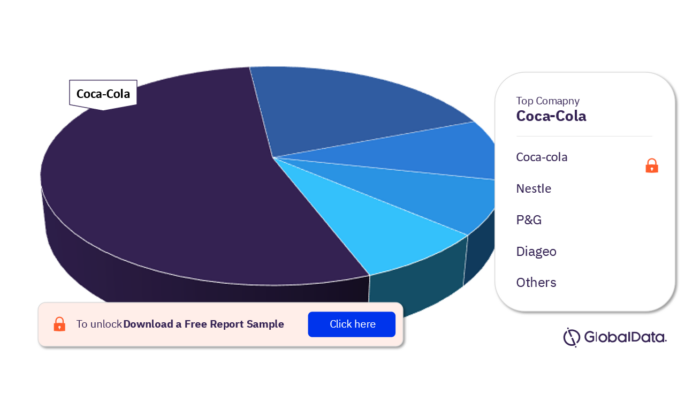
Regulatory non-compliance is a major potential cost that can be avoided. Neither is it just a financial cost, but credibility and responsibility. Out of the 10 largest FMCG companies globally (by market cap), Coca-Cola has received the most non-compliance penalties. PepsiCo has the fifth largest market cap and had spent the next most on regulatory non-compliance, but this was significantly less than Coca-Cola since 2000.
Food and Drug Regulation in FMCG, by Penalty
For more industry insights, download a free report sample
Market Report Overview
| Key Technology Trends | Blockchain, Supply Chain Management Technologies, Tracking Tech, IoT, and Smart Packaging. |
| Key Macroeconomic Trends | Consumer Trust in Brands/Products Linked to Overall Economic Stability and Trust, Jurisdictional Variations Knock on to Overall Economy, Covid-19, Waste Reduction, and Public Health |
| Key Regulatory Trends | Sin Taxes, Deviation of Regulatory Standards Over Time in a Fragmenting Global Economy, The Covid-19 Effect, Food Defense, Regulation of Digital Commerce, Employment and Health & Safety, and Sustainability and Ethics |
| Key Consumer Trends | Sterilized Society and The Turbo-Charged Effect of Covid-19, Consumer Trust in Product Standards, Expectation of Safety, Origin and Traceability, Sustainability & Ethics Mega-Trend, Health & Wellness, and Demand for Transparency and Product Information |
Scope
- Governmental regulation is fundamental in governing FMCG strategy around production, distribution, marketing, and sale to consumers. Its complexity means significant resource and expense is necessary to ensure compliance, which can be decisive in some circumstances in a “make or break” manner for product success.
- Regulatory non-compliance causes poor company reputation and can damage brand image. It can also cost millions in fines.
- GlobalData’s thematic framework shows that safety and trust are the main consumer drivers behind regulation. Strong company ethics and compliance saves costs with fewer fines and builds consumer trust and repeat purchase behavior.
- Consumer trust is increasing in importance, with generation z becoming more prominent consumers. This generation engages in social media activism and will be more likely to lobby companies with poor governance. Companies at all levels are thus susceptible to reputational damage from non-compliance.
Reasons to buy
- GlobalData’s thematic research ecosystem is a single, integrated global research platform that provides an easy-to-use framework for tracking all themes across all companies in all sectors. It has a proven track record of identifying the important themes early, enabling companies to make the right investments ahead of the competition, and secure that all-important competitive advantage.
- Understand the current trends within FMCG food & drug regulation today and how these will escalate in the near future.
- Assess how conversational commerce technologies are being used in the FMCG marketplace today and how these can drive consumer engagement and sales, as well as benefit internal processes.
- Acknowledge both the advantages and disadvantages of FMCG food & drug regulation, identifying why it is critical to develop strategic actions that best respond to this governance within the context of your business’s specific operations and target markets.
- Discover recommendations that will help you navigate the evolving landscape of regulation in FMCG to ensure a safe, sustainable business model that meets consumers’ as well as regulators’ needs.