Foodservice Price Wars: Hot Topics Case Study
Powered by 
All the vital news, analysis, and commentary curated by our industry experts.

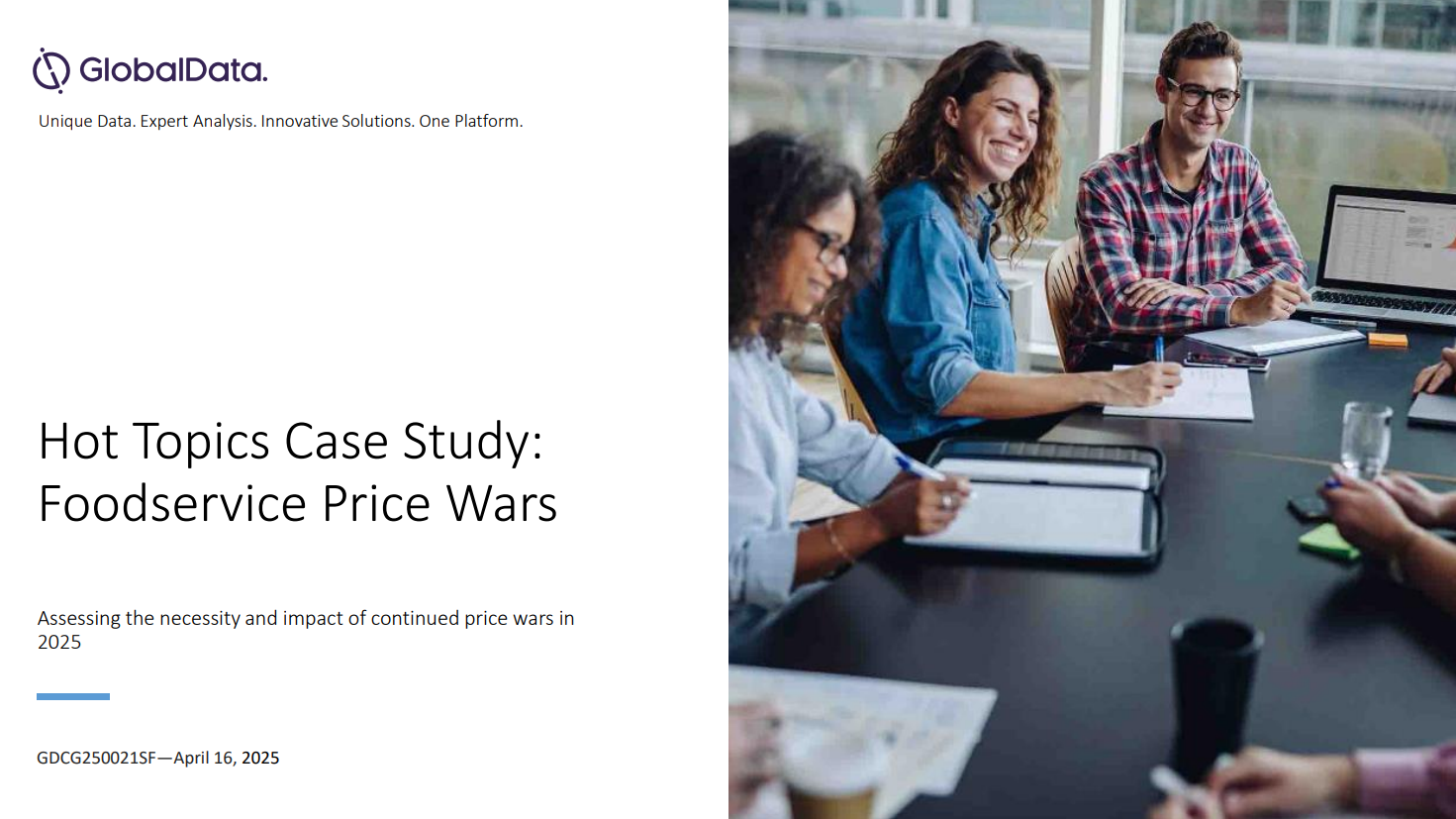
Analyze foodservice price wars and rising costs in 2025. Explore inflation, labor costs, automation, consumer spending, value deals, and strategies for protecting profits.
Why Does the Foodservice Price War Matter for Your Business?
Foodservice operators are facing mounting cost pressures in 2025 as ingredient volatility, tariffs, rising labor costs, and persistent inflation put pressure on margins. At the same time, consumers remain highly focused on affordability, forcing operators to compete more aggressively through value deals and discounted offerings.
This report examines the ongoing price wars across the foodservice industry and assesses how operators are responding to the difficult balance between affordability, operational efficiency, consumer expectations, and profitability.
The analysis explores how businesses are managing compromises across staffing, food quality, menu offerings, and brand identity, while assessing the growing role of automation in controlling long-term operating costs.
You can use this report to:
- Understand the key cost pressures affecting foodservice operators
- Assess how price wars are changing foodservice strategies
- Analyze consumer attitudes toward affordability and value
- Identify the impact of rising labor and ingredient costs
- Evaluate the role of automation in improving operational efficiency
- Benchmark how major foodservice chains are responding to market pressures
- Identify strategies for protecting profitability while maintaining consumer appeal

Key Insights in the Foodservice Price War
The report highlights the growing tension between value, profitability, and customer experience.
Key themes include:
- Rising ingredient and labor costs
- Tariff-related cost pressures
- Persistent inflation
- Increasing consumer demand for affordability
- The impact of value deals on restaurant profitability
- Pressure to reduce staffing and other operating costs
- Potential compromises in food quality and brand identity
- Growing importance of automation
- Consumer skepticism toward technology-led solutions
- The need for greater transparency when operators make changes
While affordability is increasingly influencing restaurant choice, consumers continue to value service and experience. This creates a difficult environment for operators seeking to reduce costs without damaging customer loyalty.
Scope
What Will You Learn from This Foodservice Price War Report?
This report provides insight into:
- Foodservice price competition in 2025
- Consumer spending and affordability trends
- Ingredient cost volatility
- Tariff-related pressures
- Rising labor costs
- Inflationary pressures
- Value deals and discounted sales
- Foodservice profitability
- Staffing and operational cost reductions
- Food quality and menu compromises
- Brand identity challenges
- Automation and technology adoption
- Strategies used by leading foodservice operators
The analysis helps businesses understand how the industry’s cost pressures are influencing both operator strategy and consumer behavior.
Who Should Buy This Report?
This report may be valuable for:
- Foodservice operators
- Restaurant chains
- Quick-service restaurants
- Full-service restaurants
- Foodservice strategy teams
- Restaurant executives
- Foodservice investors
- Hospitality consultants
- Foodservice suppliers
- Technology and automation providers
- Consumer insights teams
- Market intelligence professionals
How Companies Use This Foodservice Market Analysis
Foodservice operators can use the report to understand how competitors are responding to inflation, labor costs, tariffs, and changing consumer spending.
Strategy teams can assess the potential impact of value-focused promotions on revenue and profitability.
Operations teams can evaluate opportunities for automation and other efficiency measures as labor costs rise.
Marketing teams can better understand the importance of affordability, service, and experience in influencing restaurant choice.
Technology providers can use the analysis to identify opportunities to demonstrate the value of automation solutions in addressing foodservice operators’ cost challenges.
Reasons to Buy
Benchmark Foodservice Strategies in a Challenging Cost Environment
The report provides insight into how operators are responding to:
- Ingredient cost volatility
- Tariffs
- Inflation
- Rising labor costs
- Consumer price sensitivity
- Discounting and value deals
- Staffing pressures
- Food quality considerations
- Automation
- Operational efficiency
- Brand identity challenges
This allows stakeholders to better understand the strategies emerging across the foodservice industry and identify opportunities to improve resilience.
Identify Opportunities Amid Foodservice Cost Pressures
Foodservice operators are navigating a difficult environment in which consumers want greater affordability while businesses face rising costs and shrinking margins.
This report can help foodservice companies understand changing consumer spending patterns, benchmark competitor strategies, assess automation opportunities, and identify practical approaches to managing ongoing market pressures while protecting customer loyalty and profitability.
Yum! Brands
Restaurant Brands International (RBI)
Yum China
Domino's
Starbucks.
Table of Contents
Get in touch to find out about multi-purchase discounts
reportstore@globaldata.com
Tel +44 20 7947 2745
Sample Report
Foodservice Price Wars: Hot Topics Case Study was curated by the best experts in the industry and we are confident about its unique quality. However, we want you to make the most beneficial decision for your business, so we offer free sample pages to help you:
- Assess the relevance of the report
- Evaluate the quality of the report
- Justify the cost
Download your copy of the sample report and make an informed decision about whether the full report will provide you with the insights and information you need.


Related reports
View more Foodservice reports

