
Impact of Inflation on the Healthcare Sector Overview
The wide availability of COVID-19 vaccines allowed economies and societies to safely reopen. However, factors such as supply-demand imbalance, inflation, and recession prospects hamper economic recovery, growth prospects, and healthcare services in 2024. The following are some of the key highlights of the impact of inflation on the healthcare sector:
- Rising costs are forcing patients to postpone or stop treatments despite some improvement in the sector.
- The Federal Reserve undertakes monetary policy in the US.
- Across all geographies, the majority of physicians thought that the use of biosimilars could provide cost savings for patients and healthcare systems and should be encouraged.
The Impact of Inflation on the Healthcare Sector, H2 2023 report assesses inflation’s impact on the treatment of patients and identifies possible inflation reduction measures in the healthcare sector. The report also captures physicians’ opinions on drug price growth that will help develop impactful business strategies and gain an edge in the market.
| Key Regions | · The US
· France · Germany · The EU · Italy · Spain · The UK · Japan |
| Enquire & Decide | Discover the perfect solution for your business needs. Enquire now and let us help you make an informed decision before making a purchase. |
Inflation in the Major Regions
The key regions for which inflation is analyzed in the report are the US, France, Germany, the EU, Italy, Spain, the UK, and Japan.
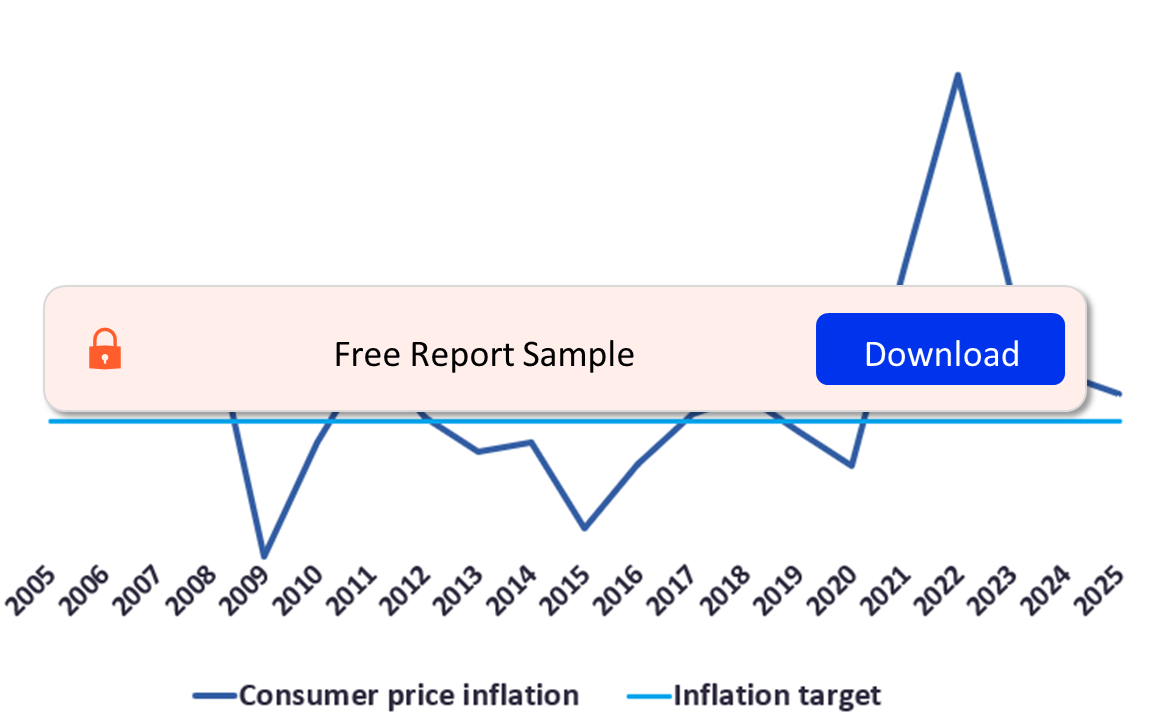
The US: The Federal Reserve influences the availability and cost of money and credit to control economic conditions in the country. The Federal Open Market Committee (FOMC) is the branch of the Federal Reserve System that is responsible for directing monetary policy in the US. The FOMC raised the interest rates quite aggressively intending to bring inflation levels down to its target of around 2% in 2023. In addition, in November 2023, the committee decided to maintain the target range for the federal funds rate since the last increase in May 2023.
Consumer Price Inflation – The US
Buy Full Report for More Insights on The Impact of Inflation in Various Regions
Inflation – Impact on Patient Treatment
The key regions for which the impact of inflation on patient treatment is analyzed in the report are the US, France, Germany, Italy, Spain, the UK, and Japan.
France: In 2022, most French physicians reported the second lowest percentage of patients postponing or stopping treatments due to the rising costs. This number declined significantly in H1 2023. This is attributed to the generous drug-reimbursement system of the country, compared to the other European markets.
Buy Full Report for More Insights on the Impact of Inflation on Patient Treatment
Inflation – Drug Prices and Treatment Costs
The US: The Inflation Reduction Act (IRA) has made significant changes to pricing and reimbursement policies in the US. The law has also caused massive controversy since its approval in 2022. Industry groups such as Pharmaceutical Research and Manufacturers of America (PhRMA) and the Biotechnology Innovation Organization (BIO) have expressed concerns over this act. However, influential advocacy groups, such as AARP and the Campaign for Sustainable Rx Pricing (CSRxP) have supported the new legislation.
Buy Full Report for More Insights on the Impact of Inflation on Drug Prices and Treatment Costs
Scope of Report
- Assess the impact of inflation on patient treatment and overall healthcare sector.
- Capture physicians’ opinions on drug price growth.
- Identify possible inflation reduction measures in the healthcare sector.
- Explore physicians’ views on inflation reduction acts such as the IRA.
- Assess physicians’ opinions on biosimilar use as a means to provide cost savings.
- Compare results with previous 2022 and 2023 H1 survey findings.
Key Highlights
- Despite decreasing inflation rates, the healthcare sector will face turbulent times in 2024.
- Drug pricing control and movement toward preventive care may be reliable methods to reduce inflation in the healthcare sector.
Reasons to buy
- Develop and design your corporate strategies through an in-house expert analysis of the key factors to impact the healthcare industry.
- Develop business strategies by understanding the key factors to impact healthcare research and manufacturing due to inflation.
- Stay up to date on the industry’s changing sentiment during inflation within the healthcare industry.
- Identify emerging industry trends to gain a competitive advantage.
- Understand current macro events impacting the healthcare industry.
Key Stakeholders
Table of Contents
Tables
Table 1a: Abbreviations
Table 1b: Abbreviations
Table 1c: Abbreviations
Table 2a: Related reports
Table 2b: Upcoming reports
Table 3: Estimated discounts generated by medicare drug negotiations
Graphs
Figure 1: Respondent Mix
Figure 2a: Respondent Mix by specialty
Figure 2b: Respondent Mix by country
Figure 3: Rating of anticipated impact of emerging regulatory and macroeconomic trends on the pharmaceutical industry in 2024
Figure 4: Optimism about the industry’s growth, 2021-2024
Figure 5: Global economy projections
Figure 6: Health spending value measured as a share of GDP
Figure 7: Retail pharmaceutical spending value measured as a share of GDP
Figure 8: Consumer price inflation – France
Figure 9: Consumer price inflation – US
Figure 10: Consumer price inflation – Germany
Figure 11: Consumer price inflation – Italy
Figure 12: Consumer price inflation – Spain
Figure 13: Gas prices for household consumers: France, Germany, Italy, and Spain
Figure 14: Electricity prices for household consumers: France, Germany, Italy, and Spain
Figure 15: Consumer price inflation – UK
Figure 16: Consumer price inflation – Japan
Figure 17a: Number of patients stopping or postponing treatment increased due to rising costs of healthcare in the US
Figure 17b: Number of patients stopping or postponing treatment increased due to rising costs of healthcare will stabilize in US
Figure 18a: Number of patients stopping or postponing treatment increased due to rising costs of healthcare in the France
Figure 18b: Number of patients stopping or postponing treatment increased due to rising costs of healthcare will stabilize in France
Figure 19a: Number of patients stopping or postponing treatment increased due to rising costs of healthcare in the Germany
Figure 19b: Number of patients stopping or postponing treatment increased due to rising costs of healthcare will stabilize in Germany
Figure 20a: Number of patients stopping or postponing treatment increased due to rising costs of healthcare in the Italy
Figure 20b: Number of patients stopping or postponing treatment increased due to rising costs of healthcare will stabilize in Italy
Figure 21a: Number of patients stopping or postponing treatment increased due to rising costs of healthcare in the Spain
Figure 21b: Number of patients stopping or postponing treatment increased due to rising costs of healthcare will stabilize in Spain
Figure 22a: Number of patients stopping or postponing treatment increased due to rising costs of healthcare in the UK
Figure 22b: Number of patients stopping or postponing treatment increased due to rising costs of healthcare will stabilize in UK
Figure 23a: Number of patients stopping or postponing treatment increased due to rising costs of healthcare in the Japan
Figure 23b: Number of patients stopping or postponing treatment increased due to rising costs of healthcare will stabilize in Japan
Figure 24: Inflation impact on patient treatment: 2022 vs 2023 H1 vs 2023 H2 data
Figure 25a: Number of patients considering “out of pocket” costs as a more important factor when choosing a treatment plan increased in the US
Figure 25b: Drug prices will grow with the inflation rate in the US
Figure 26: HCPs’ thoughts on the IRA’s ability to reduce drug prices
Figure 27a: Number of patients considering “out of pocket” costs as a more important factor when choosing a treatment plan increased in the France
Figure 27b: Drug prices will grow with the inflation rate in the France
Figure 28a: Number of patients considering “out of pocket” costs as a more important factor when choosing a treatment plan increased in the Germany
Figure 28b: Drug prices will grow with the inflation rate in the Germany
Figure 29a: Number of patients considering “out of pocket” costs as a more important factor when choosing a treatment plan increased in the Italy
Figure 29b: Drug prices will grow with the inflation rate in the Italy
Figure 30a: Number of patients considering “out of pocket” costs as a more important factor when choosing a treatment plan increased in the Spain
Figure 30b: Drug prices will grow with the inflation rate in the Spain
Figure 31a: Number of patients considering “out of pocket” costs as a more important factor when choosing a treatment plan increased in the UK
Figure 31b: Drug prices will grow with the inflation rate in the UK
Figure 32: Number of people on NHS waiting lists for consultant-led elective care
Figure 33a: Number of patients considering “out of pocket” costs as a more important factor when choosing a treatment plan increased in the Japan
Figure 33b: Drug prices will grow with the inflation rate in the Japan
Figure 34: Inflation – treatment cost: 2022 vs 2023 H1 data
Figure 35: Inflation – sentiment change
Figure 36: Main cause of inflation and rising costs in healthcare
Figure 37: Initiatives that could help to reduce inflation in healthcare
Figure 38: Initiatives that could help to reduce inflation in healthcare, by country
Figure 39: Physician comfort level with using AI
Figure 40: Percentage of physicians and patients who felt comfortable with AI use in various patient care-related tasks
Figure 41a: Use of biosimilars can provide cost savings for the patients and healthcare systems in the US
Figure 41b: Use of biosimilars should be encouraged in the US
Figure 42a: Use of biosimilars can provide cost savings for the patients and healthcare systems in the France
Figure 42b: Use of biosimilars should be encouraged in the France
Figure 43a: Use of biosimilars can provide cost savings for the patients and healthcare systems in the Germany
Figure 43b: Use of biosimilars should be encouraged in the Germany
Figure 44a: Use of biosimilars can provide cost savings for the patients and healthcare systems in the Italy
Figure 44b: Use of biosimilars should be encouraged in the Italy
Figure 45a: Use of biosimilars can provide cost savings for the patients and healthcare systems in the Spain
Figure 45b: Use of biosimilars should be encouraged in the Spain
Figure 46a: Use of biosimilars can provide cost savings for the patients and healthcare systems in the UK
Figure 46b: Use of biosimilars should be encouraged in the UK
Figure 47a: Use of biosimilars can provide cost savings for the patients and healthcare systems in the Japan
Figure 47b: Use of biosimilars should be encouraged in the Japan







