
Metaverse in Consumer Goods Thematic Intelligence Report Overview
Large consumer goods companies have begun exploring use cases for the metaverse. Most current applications focus on digital marketing campaigns inside metaverse platforms like Roblox and Decentraland. The increased use of AR, VR, and blockchain technologies in manufacturing can also help reduce costs and production times across consumer goods supply chains.
The metaverse in consumer goods thematic intelligence report provides an in-depth look at the importance of the metaverse to the consumer goods sector. The value chain section provides an in-depth description of each segment of the metaverse and outlines the specialist vendors and leading adopters of the metaverse in the consumer goods sector. On the other hand, the challenges section outlines the key challenges currently faced by the consumer goods sector. Moreover, the major milestones in the journey of the metaverse theme are provided.
Metaverse in Consumer Goods – Industry Analysis
The metaverse market is estimated to be worth $627 billion by 2030, growing at a CAGR of more than 30% during 2020-2030. The metaverse brings together a range of next-generation technologies from cloud computing to artificial intelligence (AI), blockchain, cryptocurrencies, cybersecurity, the Internet of Things (IoT), virtual reality (VR), augmented reality (AR), digital twins, and adtech. However, many of these technologies are in the early stages of development.
The metaverse in the consumer goods industry analysis also covers:
- Mergers and Acquisitions
- Hiring Trends
- Social Media Trends
- Metaverse Timeline
Metaverse Market Revenue, 2020-2030 ($ Billion)
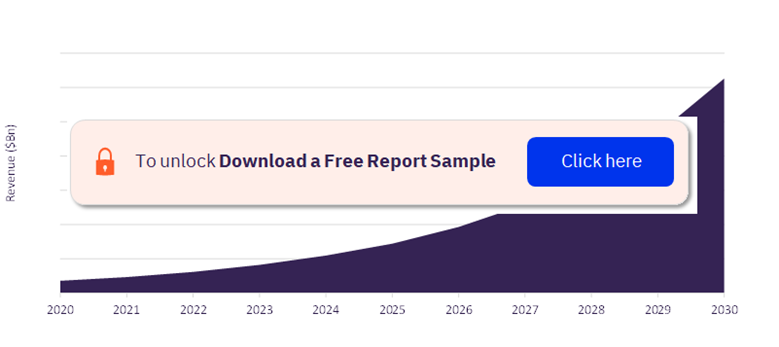
To know more about the metaverse market revenue, download a free report sample
Metaverse in Consumer Goods - Value Chain Analysis
GlobalData’s metaverse value chain consists of four segments: foundation, tools, user interface, and experience.
Experience Layer: The quality of experience on a metaverse platform will determine its success in the long run. Several experiences are under development, including virtual worlds, avatars, collaboration tools, gaming, e-commerce, and live events. More innovative experiences will emerge as the underlying technologies mature over time.
Metaverse Value Chain Analysis

For more insights into the metaverse value chains, download a free report sample
Leading Metaverse Adopters in the Consumer Goods Sector
The leading consumer goods companies currently deploying the metaverse are AB InBev, Coca-Cola, Diageo, L’Oréal, and Nestlé, among others.
To know more about the leading consumer goods companies associated with the metaverse theme, download a free report sample
Leading Metaverse Vendors in the Consumer Goods Sector
The leading vendors associated with the metaverse theme are Alibaba, Alphabet (Google), Apple, Epic Games, and Microsoft, among others.
To know more about the leading vendors associated with the metaverse theme, download a free report sample
Specialist Metaverse Vendors in the Consumer Goods Sector
The specialist metaverse vendors in the consumer goods sector are Circus360, Decentraland, LandVault, Reydar, and VaynerX (Vayner3), among others.
To know more about the specialist metaverse vendors in the consumer goods sector, download a free report sample
Consumer Sector Scorecard
At GlobalData, we use a scorecard approach to predict tomorrow’s leading companies within each sector. Our sector scorecards have three screens: a thematic screen, a valuation screen, and a risk screen. The consumer sector scorecard has three screens:
- The thematic screen tells us who are the overall leaders in the 10 themes that matter most, based on our thematic engine.
- The valuation screen ranks our universe of companies within a sector based on selected valuation metrics.
- Our risk screen ranks companies within a sector based on overall investment risk.
Consumer Sector Scorecard – Thematic Screen
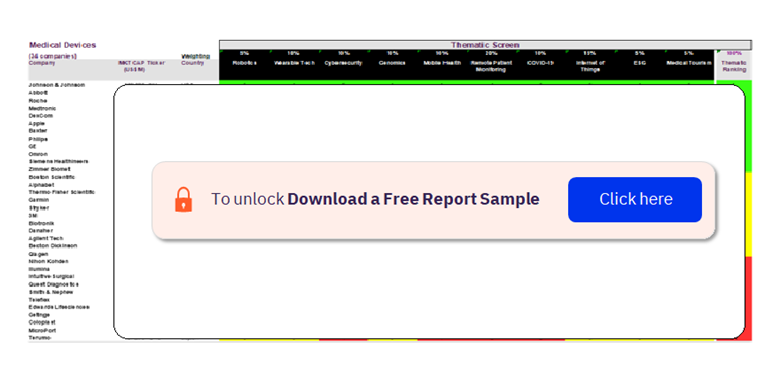
To know more about the consumer sector scorecard, download a free report sample
Metaverse in Consumer Goods Market Report Overview
| Report Pages | 53 |
| Regions Covered | Global |
| Market Size (2030) | $627 billion |
| CAGR (2020-2030) | >30% |
| Value Chains | Foundation, Tools, User Interface, and Experience |
| Leading Metaverse Adopters | AB InBev, Coca-Cola, Diageo, L’Oréal, and Nestlé |
| Leading Metaverse Vendors | Alibaba, Alphabet (Google), Apple, Epic Games, and Microsoft |
| Specialist Metaverse Vendors | Circus360, Decentraland, LandVault, Reydar, and VaynerX (Vayner3) |
Segments Covered in the Report
Metaverse Value Chain Outlook
- Foundation
- Tools
- User Interface
- Experience
Reasons to buy
- Understand the impact of the metaverse theme on the consumer goods sector.
- Access the latest data on the metaverse theme within the consumer goods sector.
- Identify the leading digital transformation efforts from consumer goods companies through investment into the metaverse theme.
- Access case study insights on leading players within the metaverse theme.