
Net Zero by 2050 Overview
Businesses and tech giants globally are focusing on low-carbon products, renewables, and EVs to achieve net zero emissions. Key sectors such as aerospace, automotive, and technology are advancing sustainability through innovations in hydrogen, EVs, fuel cells, and smart energy solutions among others.
The “Net Zero by 2050” report outlines decarbonization-related deals value and volume trends, VC investment activity and geographic trends, and leading investors. The report also provides facts and figures related to climate change, the need for industrial decarbonization, and notable global efforts. Furthermore, gain in-depth insights on decarbonization commitments, social media traction, company filing mentions, and key hiring trends with detailed media & trend analysis provided in the report.
Buy the Full Report to Know More about the Net Zero by 2050
Net Zero by 2050 – Major Investments
Tech innovation and consolidation in clean energy sectors lead to significant investment in decarbonization strategies in 2022. For instance, China Three Gorges invested more than $24 billion in the Baihetan Hydropower Plant in China. The other top countries receiving heavy VC funds are the US, Germany, Saudi Arabia, and the UK. The US captures more than half of the global VC deals value due to investments such as Infrastructure Investments Fund’s acquisition of South Jersey Industries through an IBO in 2022.
Mentions of Decarbonization and Related Keywords in Company Filings by Top Countries, 2019 -2023 (%)
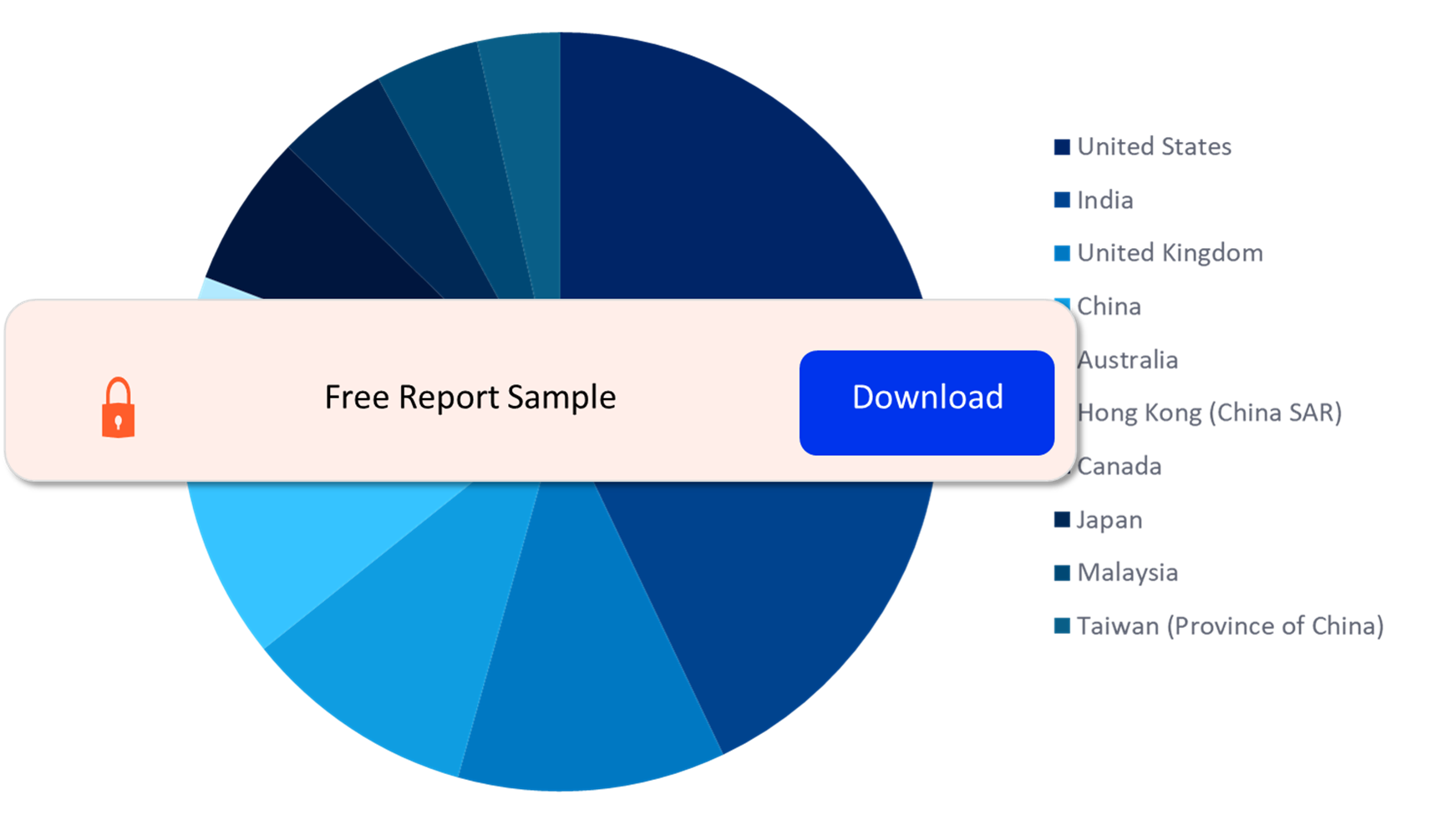
Buy the Full Report for More Insights on Investment in Net Zero Strategies
Net Zero by 2050 – Sectoral Innovations
The key sectors focusing on decarbonization include construction, energy & utilities, transportation, metals & mining, chemicals & petrochemicals, technology, and consumer.
Construction: In the construction sector, startups and enterprises are using industrial off-gases to develop sustainable cement and concrete. For instance, California-based hardware cleantech startup Brimstone has developed a method to produce Ordinary Portland Cement without releasing CO2. This cement is chemically and physically identical to traditional cement. Brimstone’s carbon-negative cement uses calcium silicate rocks instead of limestone to produce cement. The calcium silicate rocks do not contain CO2.
Buy the Full Report for More Insights on Innovations in Net Zero Strategies
Net Zero by 2050 - Outlook
Factors such as the circular economy, climate-positive supply chains, carbon pricing incentivizes emission reduction, and decentralized energy systems are driving the decarbonization strategies. The major tech companies such as Amazon, Apple, Airbus, and Boeing among others as well as governments are investing heavily in net zero emissions. For instance, Brazil’s President announced measures to strengthen the protection of the Amazon Rainforest and other Brazilian biomes. The government also announced to reduce deforestation and combat global warming. Brazil intends to cap 2030 emissions at less than 2 gigatons of greenhouse gas, a reduction of more than 52% compared to 2005.
Buy the Full Report for More Insights on the Future Outlook in Net Zero Strategies
Scope of Report
- Technology Decoding: It presents the threat of climate change, facts and figures, the need for industrial decarbonization, notable global efforts, and a market map of disruptors.
- Media & Trend Analysis: This section highlights the recent news, decarbonization commitments, thought leadership, social media traction, company filing mentions, and key hiring trends.
- Investment Radar: It outlines decarbonization-related deals value and volume trends, VC investment activity and geographic trends, leading investors, environmental accelerators, and CVC investors and investees.
- Innovation Explorer: This section explores game-changing innovations and strategic corporate partnerships to expedite the development of decarbonization solutions.
- Technology Foresight: It provides the Innovation Radar map and highlights the top players’ innovation trends related to decarbonization.
- The Road Ahead: This section summarizes drivers and challenges, global initiatives, corporate coalitions, digitalization, CO2 in material science, policy roles, emerging technologies, and future outlook.
Key Highlights
Industrial decarbonization overview and high-impact industries, major stakeholders providing solutions in each industry, the noise created in the media, VC investment trends, examples related to the implementation of decarbonization technologies such as renewables including hydrogen, energy efficiency, electrification, and carbon capture, utilization, and storage (CCUS), innovation trends, and the future potential of industrial decarbonization to meet net zero.
Reasons to buy
- GlobalData’s FutureTech Series Reports capture futuristic technologies that have the potential to disrupt tomorrow.
- The report provides insights on constantly changing, adapting, and progressing technologies to enable a paradigm shift in our daily lives.
- The report provides in-depth insights of megatrends that can directly influence patenting, collaboration, acquisition, and investment decisions that will help transform business models and make strategies to gain an edge in the market.