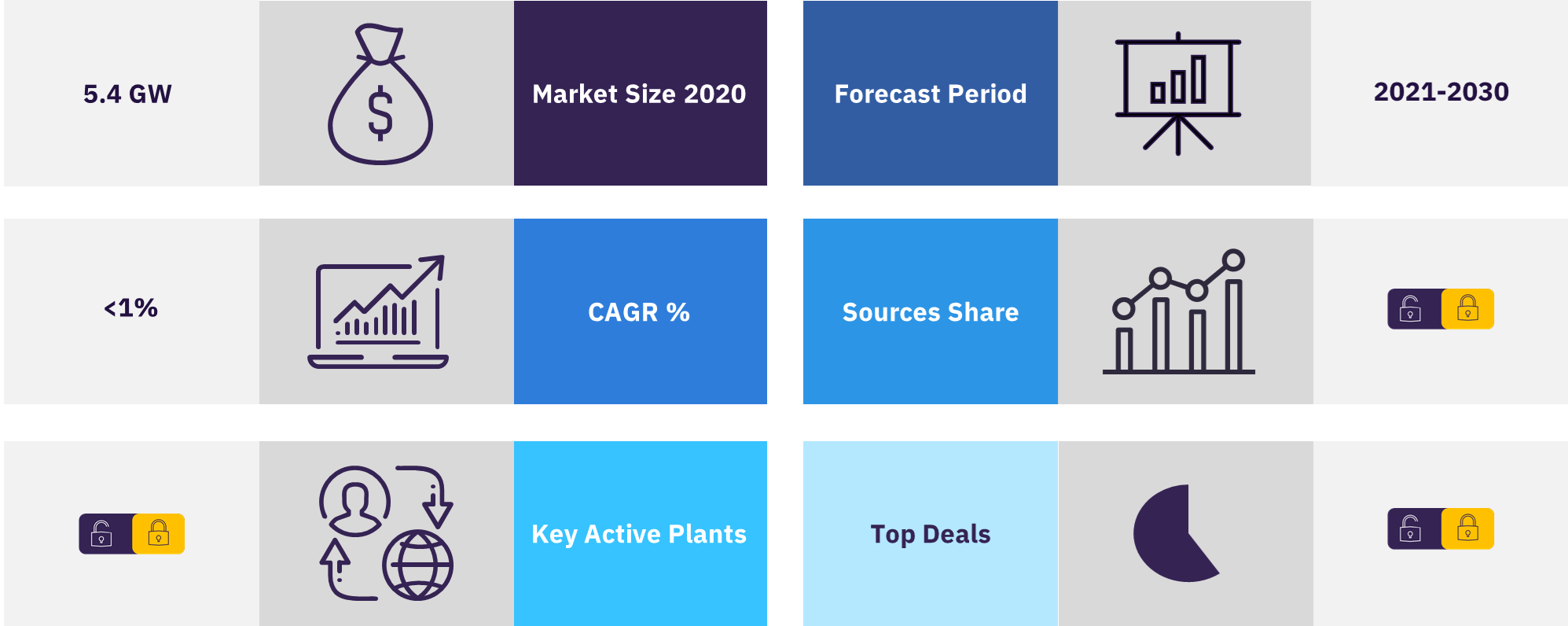
New Zealand’s hydropower installed capacity was 5.4 GW in 2020. It is expected to grow with a CAGR of less than 1% during 2021-2030. Debt offerings had the highest number of deals in the market followed by equity offerings and acquisitions. The cumulative number of deals in the hydropower sector during the 2010-2020 period was close to 30, at a total value of $7,731 million. The number increased from 2010 to 2020, and the total deal value increased from 2010 to 2020.
Hydropower generation accounted for a share of more than 50% of total annual generation in 2020. Although this share is expected to decline in 2030, it will still hold a dominant share in New Zealand’s generation mix. The country has already expanded its large conventional hydro capacity and future capacity additions will be limited to small hydro plants. The majority of the hydropower plants in New Zealand are run by river schemes that can store electricity only for a few hours or days after generation. To enable the storage of this generated electricity, in July 2020, the government earmarked $30 million for the research and development of pumped hydro storage in the country.
Overview of the New Zealand hydropower market
For more insights on this report, download a free report sample
What are the market dynamics in the hydropower market of New Zealand?
The majority of the hydropower plants are located on the South Island of the country. Electricity generated from hydropower sources in the South Island is then transported to the North Island through high voltage transmission lines. The majority of the hydropower plants in New Zealand are run by river schemes that can store electricity only for a few hours or days after generation. To enable the storage of this generated electricity, in July 2020, the government earmarked $30 million for the research and development of pumped hydro storage in the country.
New Zealand is a mountainous country sitting astride a plate boundary, spanning from subtropical to cool temperate climates. This provides a good range of natural energy resources. The country derives most of its electricity supply from hydropower, but this supply is highly dependent on climatic patterns. Geothermal is a low-cost fuel for power generation which can take baseload as well. In the North Island, geothermal has significant potential for expansion. Onshore wind is another resource in New Zealand with its high-capacity utilization factor and is also cost-competitive to other generation sources. Significant hydropower is available to reduce and manage wind power nature intermittency. Most of the gas resources are in the North Island, which also has access to hydropower, geothermal power, and wind power. The South Island has extensive coal reserves, but in most cases, these are difficult and expensive to mine. Currently, only direct use of wood biomass for thermal loads is allowed in the industrial and residential sector but it has considerable potential for expansion in the future. The country is expected to phase out coal power by 2030. To maintain supply security, the decommissioned coal power capacity is expected to be replaced with gas power capacity.
High dependence on hydropower generation is one of the major challenges for the country. In 2020, New Zealand generated more than 50% of its electricity from hydropower sources. High dependence on a single source for power generation may endanger the country’s supply security. With the country not having nuclear power and it being not keen on expanding its thermal power capacity, New Zealand may look towards the rapid development of the renewable sector to reduce its dependence on hydropower.
The lack of a transmission grid to supply power is another challenge for New Zealand. The transmission line length has been on a downward trend since 2018 and has fallen significantly since 2010. With a lack of transmission infrastructure, the capacity expansion in the country will be limited. The country’s transmission grids desperately need expanding. For this to be achieved, state-owned transmission grid operator Transpower needs to play a major role. Alternatively, the country may need to look toward privatizing the transmission sector to enable rapid growth.
What are the different sources in the power market of New Zealand?
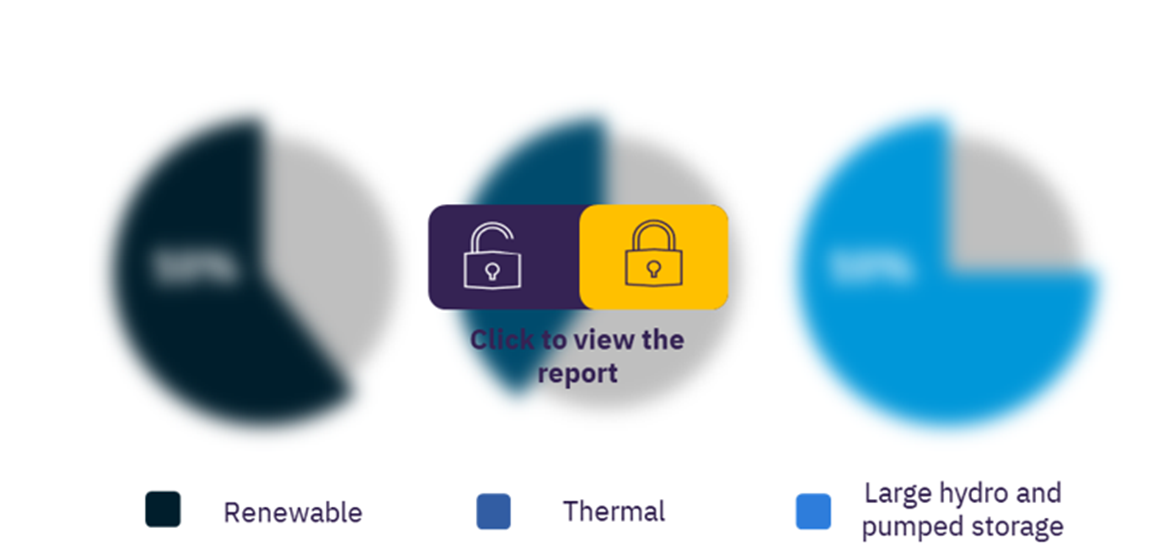
The total annual electricity generation in New Zealand decreased from 43.6 TWh in 2010 to 43.2 TWh in 2020 and is expected to increase during 2020-2030. In the power generation mix, large hydro and pumped storage is the dominant source, followed by renewable and thermal power respectively. Large hydro and pumped storage and renewable power sources are expected to increase during 2021-2030, while thermal is forecast to decrease in capacity during the same period.
Power market of New Zealand, by sources
For more segment insights, download a free report sample
What are the different deals in New Zealand’s hydropower market?
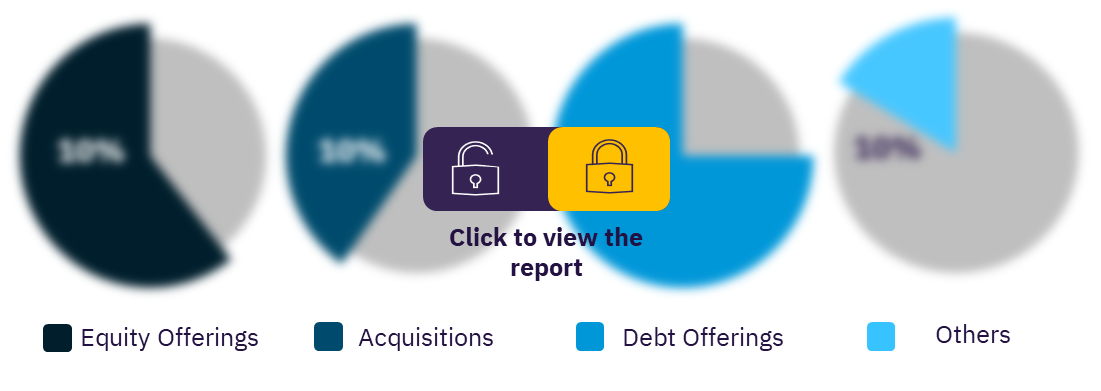
The hydropower market recorded a total number of 30 deals in 2020, of which the majority were debt offerings, followed by equity offerings, acquisitions, asset transactions, and partnerships.
Hydropower market of New Zealand, by deal type
For more insights on deals, download a free report sample
Who are the key players in New Zealand’s hydropower market?
The key players in New Zealand’s hydropower market are Trustpower Ltd, Pioneer Energy Ltd, Meridian Energy Ltd, Mercury NZ Ltd, Contact Energy Ltd, and Genesis Energy Ltd.
New Zealand’s hydropower market, by key players
To know more about key players, download a free report sample
Market report scope
| Market size (Year – 2020) | 5.4 GW |
| Growth rate | CAGR of <1% from 2021 to 2030 |
| Base year for estimation | 2020 |
| Forecast period | 2021-2030 |
| Key sources | Thermal, large hydro & pumped storage, and renewable. |
| Key deals | Debt offerings, equity offerings, acquisitions, asset transactions, and partnerships |
| Key players | Trustpower Ltd, Pioneer Energy Ltd, Meridian Energy Ltd, Mercury NZ Ltd, Contact Energy Ltd, and Genesis Energy Ltd. |
Scope
The report analyses New Zealand’s hydropower market. The scope of the research includes:
- A brief introduction to global carbon emissions and global primary energy consumption.
- An overview of the country’s power market, highlighting installed capacity trends (2010-2030), generation trends (2010-2030), and installed capacity split by various power sources.
- Detailed overview of the country’s hydropower market with installed capacity and generation trends, and major active and upcoming hydropower projects.
- Deal analysis of the country’s hydropower market.
- Snapshots of some of the major market participants in the country.
Reasons to buy
- Enhance your decision-making capability in a more rapid and time-sensitive manner.
- Identify key growth and investment opportunities in the country’s hydropower market.
- Facilitate decision-making based on strong historic and forecast data for the hydropower market.
- Position yourself to gain the maximum advantage of the industry’s growth potential.
- Identify key partners and business development avenues.
- Understand and respond to your competitors’ business structure, strategy, and prospects.
Key Stakeholders
Table of Contents
Tables
Table 1: Carbon Dioxide Emissions from Energy Consumption, Global, 2001–2020
Table 2: Primary Energy Consumption, Global, 2001–2020
Table 3: Power Market, New Zealand, Cumulative Capacity by Source, 2010–2030
Table 4: Power Market, New Zealand, Cumulative Capacity Share by Source (%), 2020 and 2030
Table 5: Power Market, New Zealand, Capacity Addition by Source (GW), 2021-2030
Table 6: Power Market, New Zealand, Capacity Growth by Source, 2020–2030
Table 7: Power Market, New Zealand, Annual Generation by Source, 2010-2030
Table 8: Power Market, New Zealand, Generation Growth by Source, 2020–2030
Table 9: Hydro Power Market, New Zealand, Installed Capacity, 2010–2030
Table 10: Hydropower Market, New Zealand, Cumulative Capacity by Type (GW), 2010–2030
Table 11: Hydropower Market, New Zealand, Annual Generation (TWh), 2010–2030
Table 12: Hydropower Market, New Zealand, Market Size, 2010-2025
Table 13: Hydropower Market, New Zealand, Major Active Plants
Table 14: Hydropower Market, New Zealand, Snapshot of Upcoming Plants
Table 15: Hydropower Market, New Zealand, Deal Volume vs. Deal Value ($m), 2010–2020
Table 16: Hydropower Market, New Zealand, Deals by Type, 2020
Table 17: Trustpower Ltd, Major Products and Services
Table 18: Pioneer Energy Ltd, Major Products and Services
Table 19: Meridian Energy Ltd, Major Products and Services
Table 20: Mercury NZ Ltd, Major Products and Services
Table 21: Genesis Energy Ltd, Major Products and Services
Table 22: Contact Energy Ltd, Major Products and Services
Table 23: Abbreviations
Graphs
Figure 1: Carbon Dioxide Emissions from Energy Consumption, Global, 2001–2020
Figure 2: Primary Energy Consumption, Global, 2001–2020
Figure 3: Power Market, New Zealand, Cumulative Capacity by Source, 2010–2030
Figure 4: Power Market, New Zealand, Cumulative Capacity Share by Source (%), 2020 and 2030
Figure 5: Power Market, New Zealand, Capacity Growth by Source, 2020–2030
Figure 6: Power Market, New Zealand, Annual Generation by Source, 2010–2030
Figure 7: Power Market, New Zealand, Generation Growth by Source, 2020–2030
Figure 8: Hydropower Market, New Zealand, Installed Capacity (GW), 2010-2030
Figure 9: Hydropower Market, New Zealand, Cumulative Installed Capacity by Type (GW), 2010-2030
Figure 10: Hydropower Market, New Zealand, Annual Generation (TWh), 2010-2030
Figure 11: Hydropower Market, New Zealand, Market Size, 2010-2025
Figure 12: Hydropower Market, New Zealand, Deal Volume vs. Deal Value ($m), 2010–2020
Figure 13: Hydropower Market, New Zealand, Deals by Type (%), 2020