
Non Small Cell Lung Cancer Pipeline Drugs Analysis Report Overview
Non-Small Cell Lung Cancer (NSCLC) is any type of epithelial lung cancer other than small cell lung cancer (SCLC). The most common types of NSCLC are squamous cell carcinoma, large cell carcinoma, and adenocarcinoma, but there are several other types that occur less frequently, and all types can occur in unusual histologic variants. Although NSCLCs are associated with cigarette smoke, adenocarcinomas may be found in patients who have never smoked.
The non-small cell lung cancer marketed and pipeline drugs market research report includes an assessment of the disease epidemiology, leading marketed products with sales forecast, pricing and reimbursement, late-to-mid-stage pipeline products with phase transition success rate (PTSR), and the likelihood of approval (LoA) for non-small cell lung cancer.
Leading Marketed Drugs for Non-Small Cell Lung Cancer
Some of the leading marketed drugs for non-small cell lung cancer are Pembrolizumab, Nivolumab, Osimertinib mesylate, Atezolizumab, and Bevacizumab among others.
Non-Small Cell Lung Cancer Marketed Drugs Segmentation by Mechanism of Action
The key mechanisms of action for non-small cell lung cancer marketed drugs are enzyme inhibitor, protein & peptide inhibitor, receptor inhibitor, receptor antagonist, genes, nucleic acids & related components inhibitor, and cytotoxic to cell.
Non-Small Cell Lung Cancer Marketed Drugs Analysis, by Mechanism of Action, 2022 (%)
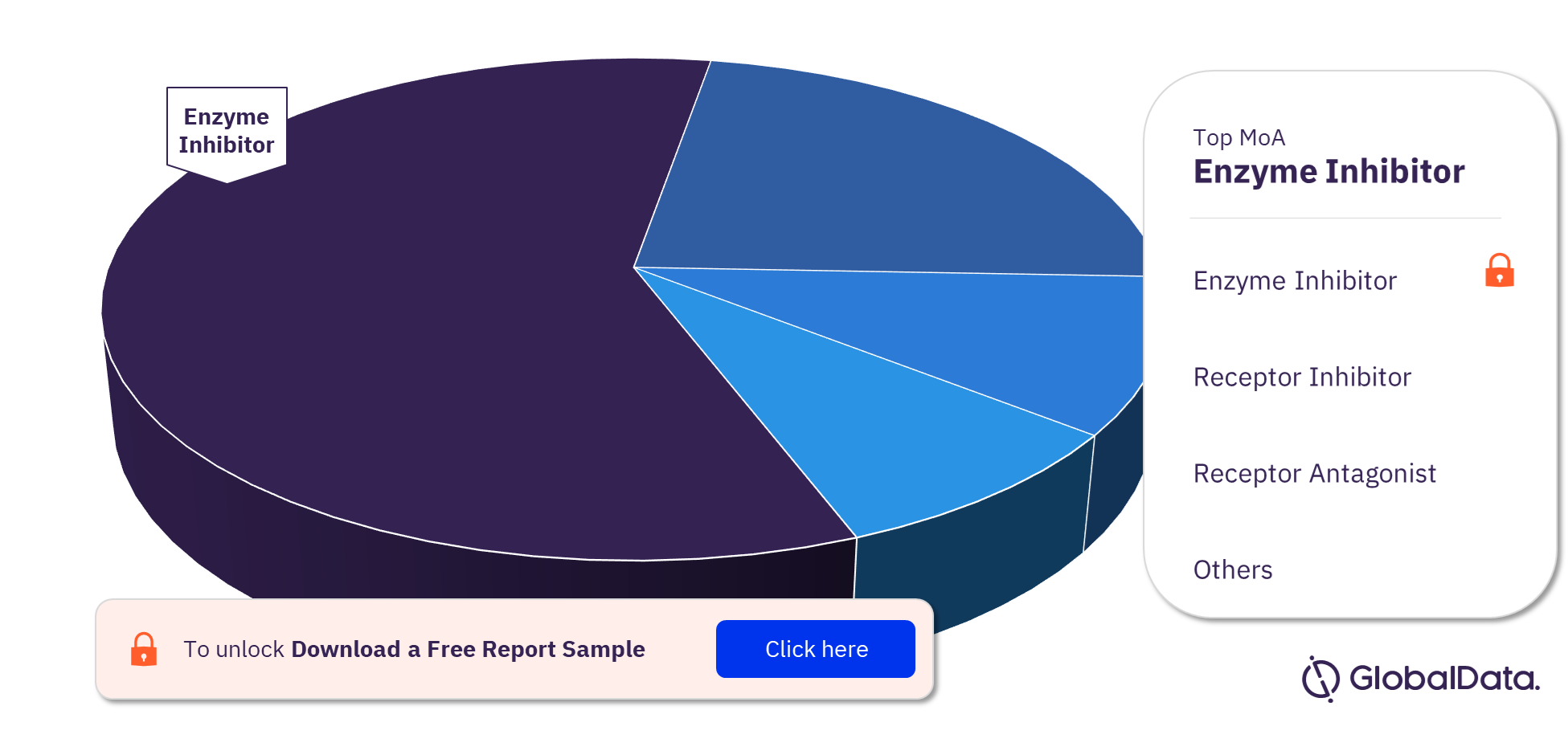
For more MoA insights into the non-small cell lung cancer marketed drugs, download a free report sample
Non-Small Cell Lung Cancer Marketed Drugs Segmentation by Routes of Administration
The key routes of administration for non-small cell lung cancer marketed drugs are injection, oral, and topical.
Non-Small Cell Lung Cancer Marketed Drugs Analysis, by Routes of Administration, 2022 (%)
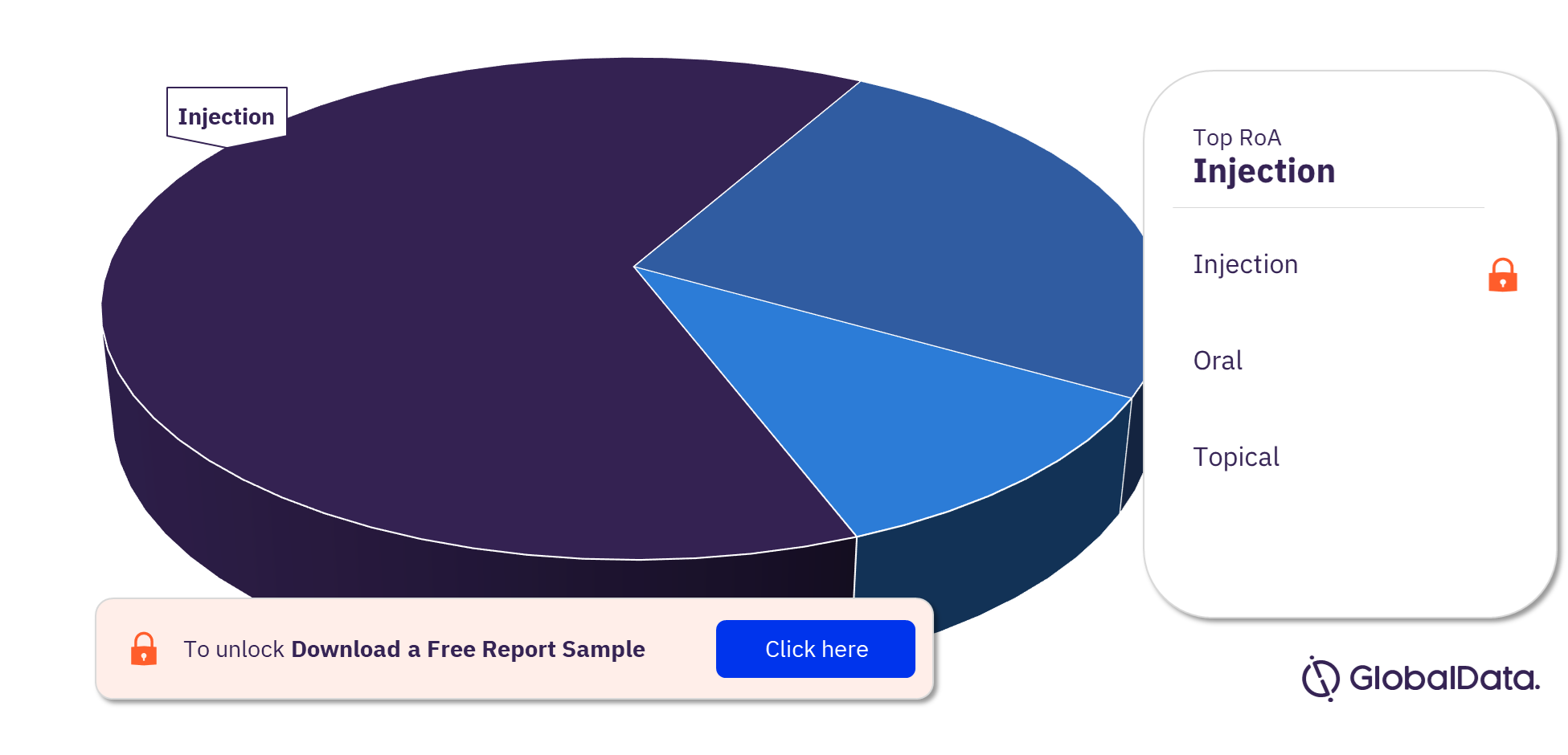
For more routes of administration insights into the non-small cell lung cancer marketed drugs, download a free report sample
Non-Small Cell Lung Cancer Marketed Drugs Segmentation by Molecule Type
The majority of the marketed drugs for non-small cell lung cancer are small molecules. Biologic is another significant molecule type in the marketed drugs for non-small cell lung cancer.
Non-Small Cell Lung Cancer Marketed Drugs Analysis, by Molecule Type, 2022 (%)

For more molecule type insights into the non-small cell lung cancer marketed drugs, download a free report sample
Leading Pipeline Drugs for Non-Small Cell Lung Cancer
Some of the leading pipeline drugs for non-small cell lung cancer are Pembrolizumab, Nivolumab, Sintilimab, Tislelizumab, Selpercatinib, and Sotorasib.
Non-Small Cell Lung Cancer Pipeline Drugs Segmentation by Mechanism of Action
The key mechanisms of action for non-small cell lung cancer pipeline drugs are enzyme inhibitor, receptor agonist, receptor antagonist, cytotoxic, ion channel blocker, biological factor inhibitor, ligand depletor, and protein & peptide activator.
Non-Small Cell Lung Cancer Pipeline Drugs Analysis, by Mechanisms of Action, 2022 (%)
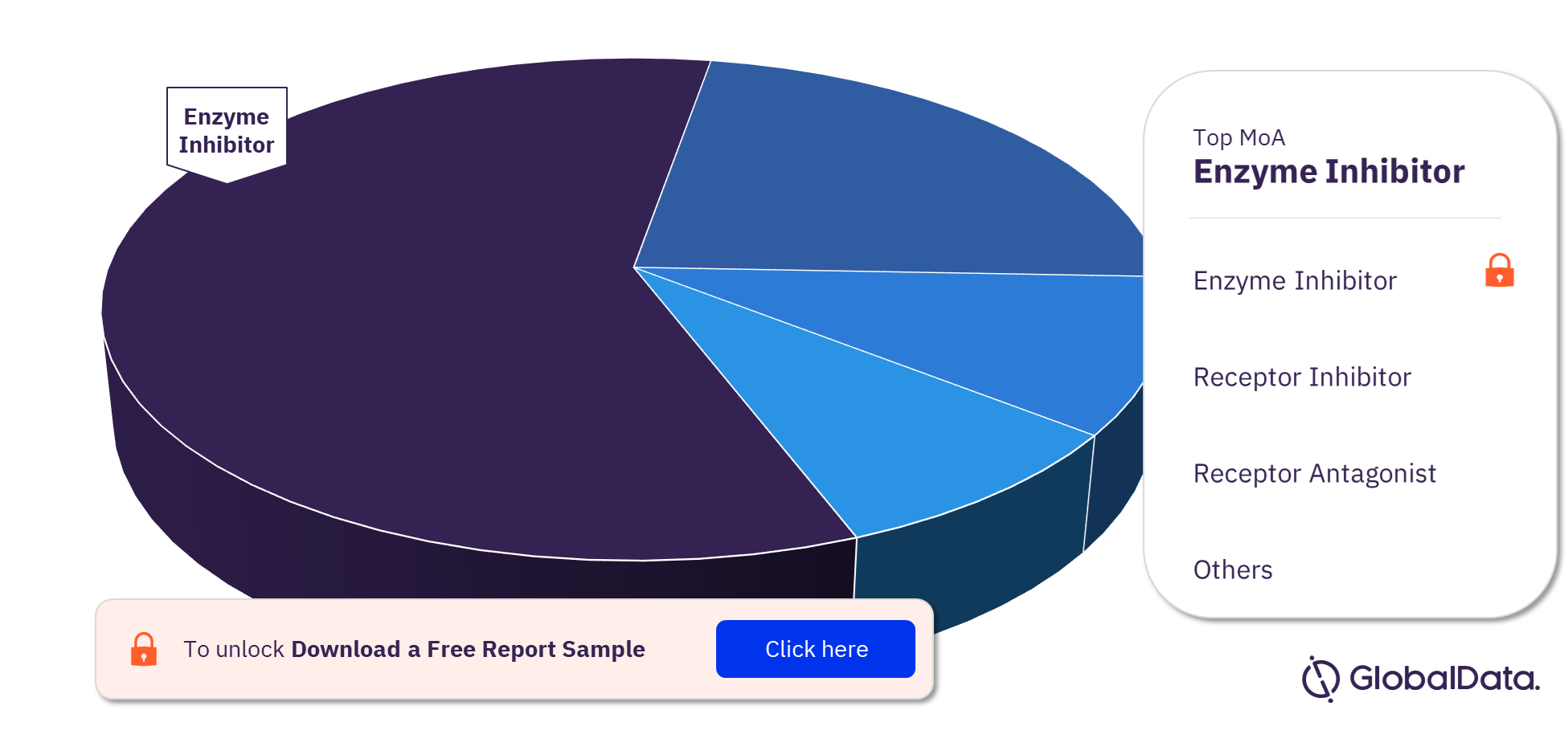
For more MoA insights into the non-small cell lung cancer pipeline drugs, download a free report sample
Non-Small Cell Lung Cancer Pipeline Drugs Segmentation by Routes of Administration
The key routes of administration for non-small cell lung cancer pipeline drugs are injection, oral, topical, suppository, and inhalational.
Non-Small Cell Lung Cancer Pipeline Drugs Analysis, by Routes of Administration, 2022 (%)
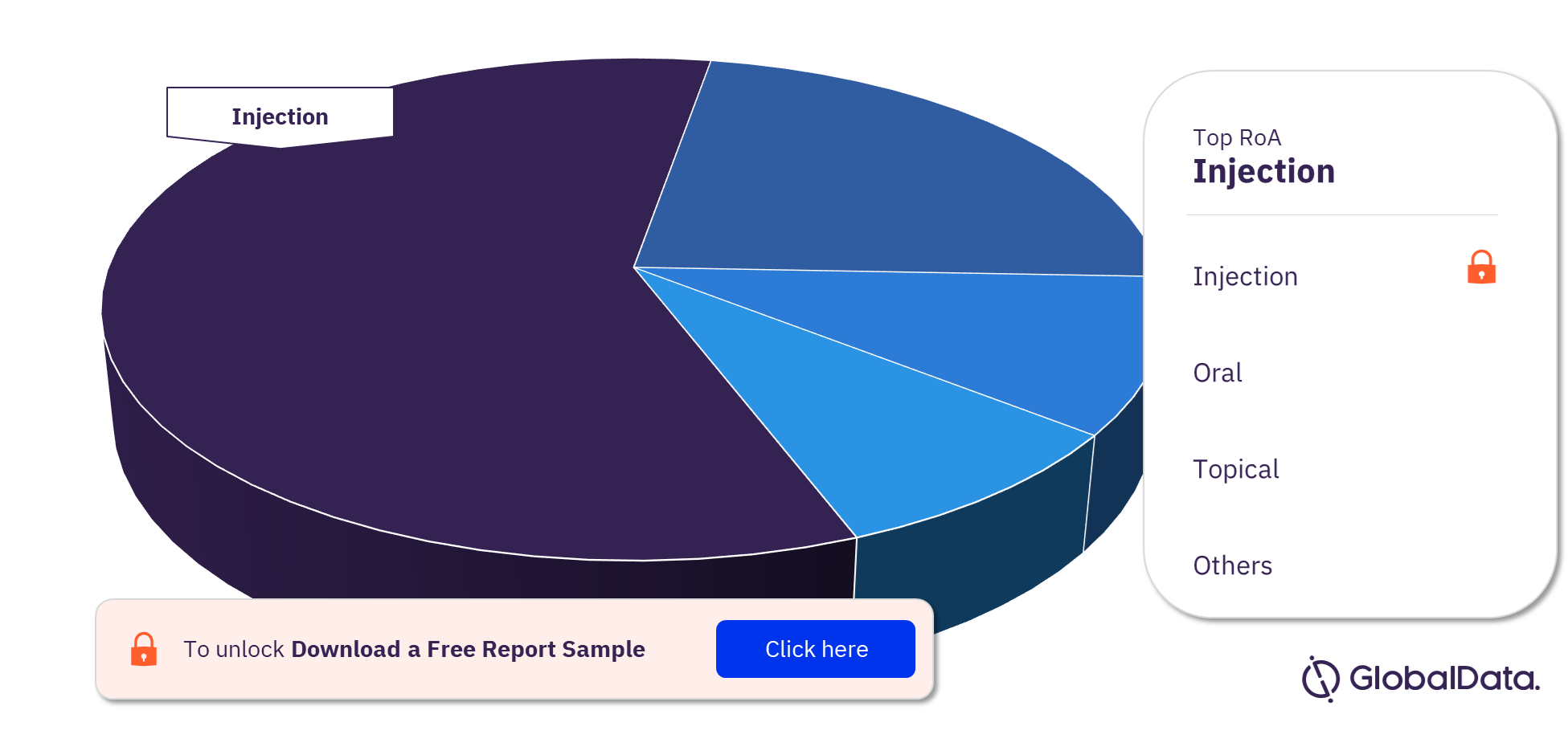
For more routes of administration insights into the non-small cell lung cancer pipeline drugs, download a free report sample
Non-Small Cell Lung Cancer Pipeline Drugs Segmentation by Molecule Type
The majority of the pipeline drugs for non-small cell lung cancer is biologic. Small molecule, oligonucleotide, and polymer are some of the other significant molecule types in the pipeline drugs for non-small cell lung cancer.
Non-Small Cell Lung Cancer Pipeline Drugs Analysis, by Molecule Types, 2022 (%)

For more molecule type insights into the non-small cell lung cancer pipeline drugs, download a free report sample
Top Sponsors in the Non-Small Cell Lung Cancer Marketed and Pipeline Drugs Market
Some of the top sponsors in the non-small cell lung cancer marketed and pipeline drugs market are AstraZeneca Plc, Novartis AG, Pfizer Inc, Eli Lily and Co., Bristol-Myers Squibb Co., and Amgen Inc.
Non-Small Cell Lung Cancer Marketed Drugs Report Overview
| Key Mechanisms of Action | Enzyme Inhibitor, Protein & Peptide Inhibitor, Receptor Inhibitor, Receptor Antagonist, Genes, Nucleic Acids & Related Components Inhibitor, and Cytotoxic To Cell |
| Key Routes of Administration | Injection, Oral, and Topical |
| Key Molecule Types | Small Molecule and Biologic |
Non-Small Cell Lung Cancer Pipeline Drugs Report Overview
| Key Mechanisms of Action | Enzyme Inhibitor, Receptor Agonist, Receptor Antagonist, Cytotoxic, Ion Channel Blocker, Biological Factor Inhibitor, Ligand Depletor, and Protein & Peptide Activator |
| Key Routes of Administration | Injection, Oral, Topical, Suppository, and Inhalational |
| Key Molecule Types | Biologic, Small Molecule, Oligonucleotide, and Polymer |
| Top Sponsors (Marketed and Pipeline Drugs Market)
|
AstraZeneca Plc, Novartis AG, Pfizer Inc, Eli Lily and Co., Bristol-Myers Squibb Co., and Amgen Inc |
Non-Small Cell Lung Cancer Marketed Drugs MoA Outlook (No of Drugs, 2022)
- Enzyme Inhibitor
- Protein & Peptide Inhibitor
- Receptor Inhibitor
- Receptor Antagonist
- Genes
- Nucleic Acids & Related Components Inhibitor
- Cytotoxic To Cell
Non-Small Cell Lung Cancer Marketed Drugs RoA Outlook (No of Drugs, 2022)
- Injection
- Oral
- Topical
Non-Small Cell Lung Cancer Marketed Drugs Molecule Types Outlook (No of Drugs, 2022)
- Small Molecule
- Biologic
Non-Small Cell Lung Cancer Pipeline Drugs MoA Outlook (No of Drugs, 2022)
- Enzyme Inhibitor
- Receptor Agonist
- Receptor Antagonist
- Cytotoxic
- Ion Channel Blocker
- Biological Factor Inhibitor
- Ligand Depletor
- Protein & Peptide Activator
Non-Small Cell Lung Cancer Pipeline Drugs RoA Outlook (No of Drugs, 2022)
- Injection
- Oral
- Topical
- Suppository
- Inhalational
Non-Small Cell Lung Cancer Pipeline Drugs Molecule Types Outlook (No of Drugs, 2022)
- Biologic
- Small Molecule
- Oligonucleotide
- Polymer
Scope of Report
GlobalData’s NSCLC: Competitive Landscape combines data from the Pharma Intelligence Center with in-house analyst expertise to provide a competitive assessment of the disease marketplace.
Components of the report include:
- Disease Landscape
- Disease Overview
- Epidemiology Overview
- Treatment Overview
- Marketed Products Assessment
- Breakdown by Mechanism of Action, Molecule Type, Route of Administration
- Product Profiles with Sales Forecast
- Pricing and Reimbursement Assessment
- Retail or Manufacturer Price of Products
- Time to Pricing and Time to Reimbursement
- Pipeline Assessment
- Breakdown by Development Stage, Mechanism of Action, Molecule Type, Route of Administration
- Product Profiles with Sales Forecast
- Late-to-mid-stage Pipeline Drugs
- Phase Transition Success Rate and Likelihood of Approval
- Clinical Trials Assessment
- Breakdown of Trials by Phase, Status, Virtual Components, Sponsors, Geography, and Endpoint Status
- Enrolment Analytics, Site Analytics, Feasibility Analysis
- Deals Landscape
- Mergers, Acquisitions, and Strategic Alliances by Region
- Overview of Recent Deals
- Commercial Assessment
- Key Market Players
- Future Market Catalysts
Reasons to buy
- Develop and design your in-licensing and out-licensing strategies through a review of pipeline products and technologies, and by identifying the companies with the most robust pipeline.
- Develop business strategies by understanding the trends shaping and driving the Non-Small Cell Lung Cancer market.
- Drive revenues by understanding the key trends, innovative products and technologies, market segments, and companies likely to impact the global Non-Small Cell Lung Cancer market in the future.
- Formulate effective sales and marketing strategies by understanding the competitive landscape and by analyzing the performance of various competitors.
- Identify emerging players with potentially strong product portfolios and create effective counter-strategies to gain a competitive advantage.
- Organize your sales and marketing efforts by identifying the market categories and segments that present maximum opportunities for consolidations, investments, and strategic partnerships.







