
The Philippines pharmaceutical market was valued at $3.3 billion in the year 2020. The market is expected to grow at a CAGR of more than 1% during the period 2017-2026. The Philippines pharmaceutical market is primarily driven by imports, and multinational companies dominate the market. The Filipino pharmaceutical industry is one of the fastest-growing industries in the country and is home to over 14 of the world’s top 20 pharmaceutical companies. The Philippines pharmaceutical industry is emerging as one of ASEAN’s potentially attractive markets due to its growing population, financial prospects, government initiatives, increasing acceptance of generic medicines, improving patient access and care, and disease prevention and management programs, among others.
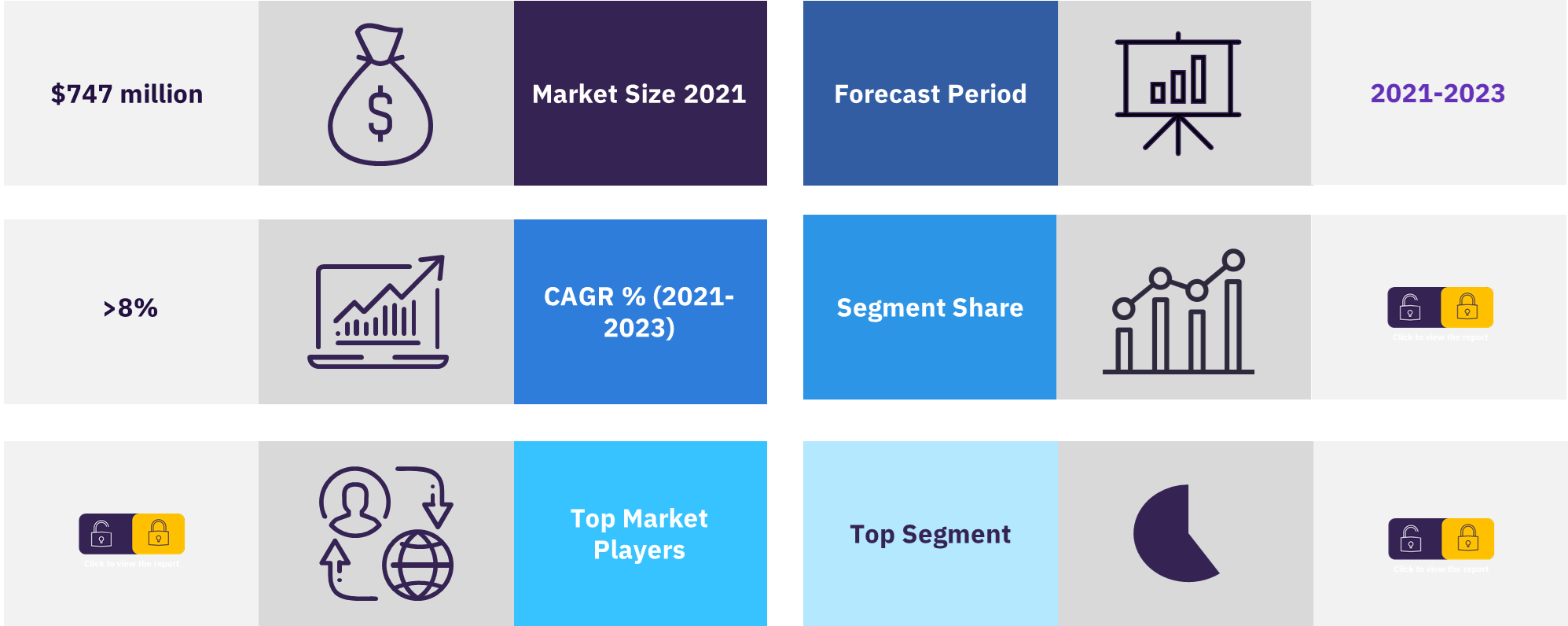
The Philippines medical devices market was valued at $747 million in 2021. The market is forecast to grow at a CAGR of more than 8% during the period 2021-2023. The major medical devices imported in the country are catheters, sutures, surgical masks, computed tomography (CT) scans systems, X-ray units, and ultrasound systems. Local production is limited to prototype units, spare parts (including improvised parts), and disposables such as surgical gloves, syringes, and needles.
Philippines pharmaceutical market overview

For more insights on this report, download a free sample
Philippines medical devices market overview
For more insights on this report, download a free sample
What are the market dynamics in the pharmaceutical industry in Philippines?
In the Philippines, there are several players involved in the supply channel. The Supply Chain Management Division (SCMD) is responsible for all the supply chain activities within the Philippines public health supply chain. The SCMD promotes greater integration between internal and external stakeholders, as well as ensures the alignment of demand and supply through evidence-based analysis and uniform procurement procedures.
In the Philippines, all medicines must be approved by the Philippines FDA before being marketed. The sale of most of the medicines is restricted to retail pharmacies staffed by a licensed pharmacist. Valid prescription of physicians is required for selling the prescription medicines. In private hospitals, a Pharmaceutical Therapeutic Committee (PTC) sets a formulary of medicines available for distribution in private hospitals.
What are the key segments in the pharmaceutical market in Philippines?
The key segments in the pharmaceutical market in Philippines are generics, biologics, biosimilars, and over-the-counter (OTC).
Who are the major players in the pharmaceutical market in Philippines?
The major players in the pharmaceutical market in Philippines include GlaxoSmithKline (GSK), Pfizer, Boehringer Ingelheim, Astellas Pharma, and United Laboratories (Unilab).
GlaxoSmithKline (GSK)
It is a healthcare company that focuses on the development, manufacture, and commercialization of pharmaceuticals, vaccines, and consumer healthcare products. It offers drugs for the treatment of respiratory diseases, cancer, cardiovascular diseases, human immunodeficiency virus (HIV), infectious diseases, immuno-inflammation, and rare diseases. It is headquartered in Brentford, London. In the Philippines, it operates out of Manila.
Pfizer
It is a research-based global biopharmaceutical company that discovers, develops, manufactures, and commercializes drugs for various conditions, consumer healthcare products, generics, and active pharmaceutical ingredients (APIs). Pfizer is headquartered in the US. In the Philippines, it operates out of Makati.
Boehringer Ingelheim
It is a pharmaceutical company that conducts R&D, manufacturing, and sales of pharmaceuticals. It offers a wide range of products including human diseases products, animal healthcare products, and biopharmaceuticals. It is headquartered in Ingelheim am Rhein, Rheinland-Pfalz, Germany. In the Philippines, it operates out of Paseo de Roxas.
Philippines pharmaceutical market, by major players
To know about more major players, download a free sample
Who are the major players in the medical devices market in Philippines?
The major players in the medical devices market in Philippines are Fresenius SE & Co. KGaA (Fresenius), Medtronic, Koninklijke Philips NV (Philips), GE Healthcare, and Siemens Healthineers.
Fresenius SE & Co. KGaA (Fresenius)
It is a global healthcare group that offers products and services for dialysis, hospitals, and outpatient treatment. It has major manufacturing plants in the US, Germany, China, Sweden, and Japan. The company is headquartered in Bad Homburg, Hessen, Germany. In the Philippines, its office is located in Metro Manila.
Medtronic
is a medical technology company that designs, develops, manufactures, and markets a wide range of medical devices and solutions for the treatment of heart valve disorders, heart failure, coronary artery diseases, aortic, peripheral vascular, venous renal and neurological diseases, spine and musculoskeletal disorders and ENT diseases. Medtronic is headquartered in Dublin, Ireland. In the Philippines, it operates out of Taguig.
Koninklijke Philips NV (Philips)
It is a diversified technology company that develops and manufactures medical systems and consumer electronics products. The company offers products and solutions in the areas of diagnostic imaging, enterprise diagnostic informatics, image-guided therapy, ultrasound, monitoring and analytics, and sleep and respiratory care, among others. Philips is headquartered in Amsterdam, the Netherlands. In the Philippines, it operates out of Bonifacio Global City.
Philippines medical devices market, by major players
To know about more major players, download a free sample
Market report scope
| Market size 2020 | $3.3 billion |
| CAGR | >1% (2017-2026) |
| Forecast period | 2021-2026 |
| Key segments | Generics, Biologics, Biosimilars, and Over-The-Counter (OTC) |
| Major players | GlaxoSmithKline (GSK), Pfizer, Boehringer Ingelheim, Astellas Pharma, and United Laboratories (Unilab) |
Market report scope
| Market size 2021 | $747 million |
| CAGR | >8% (2021-2023) |
| Forecast period | 2021-2023 |
| Major players | Fresenius SE & Co. KGaA (Fresenius), Medtronic, Koninklijke Philips NV (Philips), GE Healthcare, and Siemens Healthineers |
Scope
The report provides information on the healthcare, regulatory, and reimbursement landscape in the Philippines, and includes:
- An overview of the pharmaceutical and medical device markets, comprising market size, segmentation, and key drivers and barriers.
- Profiles and SWOT analyses of the major players in the pharmaceutical market: GSK, Pfizer, Boehringer Ingelheim, Astellas, and Unilab.
- Profiles and SWOT analyses of the major players in the medical device market: Fresenius, Medtronic, Philips, GE Healthcare, and Siemens Healthineers.
- An insightful review of the COVID-19 epidemiology, COVID-19 impact and developments in healthcare market, HealthTech landscape, reimbursement and regulatory landscape, with analysis covering details of the country’s healthcare reimbursement process, regulatory agencies and the approval processes for new drugs and medical devices.
- Detailed analysis of the country’s healthcare policy highlights, demographics, healthcare infrastructure and healthcare expenditure.
- An overview of the opportunities for and challenges to growth in the Philippines healthcare market.”
Reasons to buy
- This report will enhance your decision-making capability by allowing you to:
- Develop business strategies by understanding the trends shaping and driving the Philippines healthcare market
- Drive revenues by understanding the key trends, reimbursement and regulatory policies, pharmaceutical market segments and companies likely to impact the Philippines healthcare market in the future
- Formulate effective sales and marketing strategies by understanding the competitive landscape and analyzing competitors’ performance
- Organize your sales and marketing efforts by identifying the market categories and segments that present the most opportunities for consolidation, investment and strategic partnership.
Table of Contents
Tables
Table 1: Authorized biosimilars, Philippines, 2014-19
Table 2: COVID-19 indicators (number of cases), global and Philippines, 2022
Table 3: COVID-19-related travel restrictions, Philippines, 2020–22
Table 4: COVID-19 vaccine trials, Philippines, 2020–21
Table 5: Vaccines doses administered according to priority groups, Philippines, 2022
Table 6: COVID-19 approved vaccines, Philippines, 2021
Table 7: COVID-19 IVD products (February 2021–February 22), Philippines, 2021–22
Table 8: Pipeline medical devices for COVID-19 (February 2020–February 22), Philippines 2020-22
Table 9: Phases of e-health strategic framework and plan (2013-20), Philippines
Table 10: Premium contributions, Philippines, 2019-25
Table 11: Comparison of private health insurance, HMO, and PhilHealth, Philippines, 2022
Table 12: Comparison of maximum retail prices of medicines between 2018 and 2020, Philippines
Table 13: Regulatory fees and charges for OTC drugs, Philippines, 2021
Table 14: Regulatory fees and charges for pharmaceutical products, Philippines, 2019
Table 15: Regulatory fees and charges for medical devices, Philippines, 2019
Table 16: Patent fees, Philippines, 2022
Table 17: Patent maintenance fees, Philippines, 2022
Table 18: Trademark fees, Philippines, 2022
Table 19: Trademark maintenance fees, Philippines, 2022
Table 20: Fees for LTO, Philippines, 2022
Table 21: Application procedure for LTO, Philippines, 2022
Table 22: Label of a pharmaceutical product, Philippines, 2022
Table 23: Minimum particulars to appear on blisters or strips
Table 24: Minimum particulars to appear on primary label of small containers
Table 25: Trade fairs, Philippines, 2022
Graphs
Figure 1: Pharmaceutical market, Philippines, revenue ($B), 2011–20
Figure 2: Medical device market, Philippines, revenue ($M), 2018–25
Figure 3: Healthcare Startups in Philippines, 2021
Figure 4: Country Profile, Philippines, 2021
Figure 5: Pharmaceutical market, Philippines, revenue ($B), 2011–20
Figure 6: Pharmaceutical market, Philippines, revenue forecast ($B ), 2021–26
Figure 7: Pharmaceutical exports ($M), Philippines, 2013–20
Figure 8: Top export partners, Philippines, 2020
Figure 9: Pharmaceutical imports ($B), Philippines, 2013–20
Figure 10: Top import partners, Philippines, 2020
Figure 11: Process of medicine selection for formulary, Philippines, 2022
Figure 12: Pharmaceutical market supply chain, Philippines, 2022
Figure 13: OTC medicines market, major distribution channels ($M), Philippines, 2020
Figure 14: OTC market, revenue ($B), Philippines, 2013–21
Figure 15: OTC medicines market, major categories ($M), Philippines, 2021
Figure 16: COVID-19 cases, Philippines, 2020–21
Figure 17: COVID-19 deaths, Philippines, 2020–22
Figure 18: Stringency index, COVID–19, Philippines, 2020–22
Figure 19: Containment and health index, COVID–19, Philippines, 2020–22
Figure 20: COVID-19 fiscal stimulus timeline, Philippines, 2020
Figure 21: COVID-19 vaccine doses administration, number of vaccine doses administered, Philippines, 2021-22
Figure 22: COVID-19 vaccine phases, Philippines, 2021
Figure 23: COVID-19 clinical trials count by trial status, Philippines, 2020–22
Figure 24: COVID-19 clinical trials count by trial phase, Philippines, 2020–22
Figure 25: Top COVID-19 clinical trials sponsors by trial count, Philippines, 2020–22
Figure 26: Medical device market, Philippines, revenue ($M), 2018–25
Figure 27: Medical devices market, Philippines, revenue ($B) of major companies, 2020
Figure 28: Deal value and deal count, pharmaceutical market, Philippines, 2019–22
Figure 29: Deal value and deal count subtypes, pharmaceutical market, Philippines, 2019–22
Figure 30: Deal value and deal count, quarterly, pharmaceutical market, Philippines, 2019–22
Figure 31: Top therapy areas by deal value, pharmaceutical market, Philippines, 2019–22
Figure 32: Top therapy areas by deal count, pharmaceutical market, Philippines, 2019–22
Figure 33: Deal value and deal count, medical devices market, Philippines, 2019–22
Figure 34: Deal value and deal count subtypes, medical devices market, Philippines, 2019–22
Figure 35: Deal value and deal count, quarterly, medical devices market, Philippines, 2019–22
Figure 36: Top equipment sectors by deal value, medical devices market, Philippines, 2019–22
Figure 37: Top equipment sectors by deal count, medical devices market, Philippines, 2019–22
Figure 38: M&A deals by quarter, medical devices market, Philippines, 2019–22 (by value and by number)
Figure 39: VC deals by quarter, medical devices market, , Philippines, 2019–22 (by value and by number)
Figure 40: PHIE services, Philippines, 2015
Figure 41: Objectives of Philippine digital transformation strategy 2022 (EGMP 2022), Philippines, 2022
Figure 42: Outcomes of ehealth strategic framework and plan (2013-20), Philippines
Figure 43: Guiding principles of e-health strategic framework 2019-29, Philippines
Figure 44: Deal value ($B), healthtech, Philippines, 2020–22
Figure 45: Deal count (no. of deals), healthtech, Philippines, 2020–22
Figure 46: Overview of the healthcare system, Philippines, 2021
Figure 47: Finance flow in the healthcare system, Philippines, 2021
Figure 48: DOH, Philippines, 2022
Figure 49: Strategic goals of DOH FOURmula One Plus (F1 Plus) for Health, Philippines, 2022
Figure 50: Selection of medicines for inclusion in the PNF, Philippines, 2022
Figure 51: Classification into core and complementary medicines, Philippines, 2022
Figure 52: OOP expenditure (% of current expenditure on health), Philippines, 2013–19
Figure 53: Annual rate of change (%), consumer price index, healthcare
Products (base year 2006=100), Philippines, 2012–17
Figure 54: Price regulation, Philippines, 2022
Figure 55: Organizational structure of the Philippines FDA, 2022
Figure 56: Drug registration process, Philippines, 2022
Figure 57: New drug registration requirements, Philippines, 2022
Figure 58: Generic drug registration requirements, Philippines, 2022
Figure 59: OTC drug registration requirements, Philippines, 2022
Figure 60: Technical requirements for authorization of medical devices, Philippines, 2022
Figure 61: Authorization of medical devices, Philippines, 2022
Figure 62: Patent approval process, Philippines, 2022
Figure 63: Trademark approval process, Philippines, 2022
Figure 64: Clinical trial approval process, Philippines, 2022
Figure 65: Pharmaceutical clinical trials count by trial status, Philippines, 2020–22
Figure 66: Pharmaceutical clinical trials count by indication, Philippines, 2020–22
Figure 67: Pharmaceutical clinical trials count by phase, Philippines, 2020–22
Figure 68: Top five pharmaceutical clinical trials sponsors by count, Philippines, 2020–22
Figure 69: Medical devices clinical trials count by trial status, Philippines, 2020–22
Figure 70: Medical devices clinical trials count by device category, Philippines, 2020–22
Figure 71: Medical devices clinical trials count by indication, Philippines, 2020–22
Figure 72: Top five medical devices clinical trials sponsors by count, Philippines, 2020–22
Figure 73: Application procedure for LTO, Philippines, 2022
Figure 74: Export procedure, Philippines, 2022
Figure 75: Import procedure, Philippines, 2022
Figure 76: Outcomes of the Philippines country strategic plan (2018-23)
Figure 77: Number of public and private hospitals, Philippines, 2012–21
Figure 78: Number of hospitals, Philippines, 2012-21
Figure 79: Total number of hospital beds (per 10,000 population), Philippines, 2012–20
Figure 80: Number of government hospital beds (per 10,000 population), Philippines, 2012–20
Figure 81: Number of private hospital beds (per 10,000 population), Philippines, 2012–20
Figure 82: Immunization rate (%), Philippines, 2012–18
Figure 83: Life expectancy at birth (years), Philippines, 2012–21
Figure 84: CO2 emissions (million tons), Philippines, 2012–19
Figure 85: PM2.5 (µg per m3), Philippines, 2012–19
Figure 86: Doctors (per 100,000 Population) Philippines, 2012–20
Figure 87: Midwives (per 100,000 Population), Philippines, 2012–20
Figure 88: Dentists (per 100,000 Population), Philippines, 2012–20
Figure 89: Nurses (per 100,000 Population), Philippines, 2012–20
Figure 90: Major causes of mortality (per 100,000 population), Philippines, 2019
Figure 91: Major causes of male mortality (per 100,000 population), Philippines, 2019
Figure 92: Major causes of female mortality (per 100,000 population), Philippines, 2019
Figure 93: DALYs by major disease (per 100,000 population), Philippines, 2019
Figure 94: Healthcare expenditure as percentage of GDP (%), Philippines, 2012–19
Figure 95: Health expenditure share (% of health spending), Philippines, 2012–19
Figure 96: Healthcare expenditure components by function (% of total health expenditure), Philippines, 2020






