
Small cell lung cancer (SCLC) is an aggressive form of lung cancer that represents about 15% of all lung cancers. The condition is marked by an exceptionally high proliferative rate, a strong predilection for early metastasis, and a poor prognosis. Most patients have metastatic disease at diagnosis, with only one-third presenting earlier-stage disease that is amenable to potentially curative multimodality therapy.
The small cell lung cancer marketed and pipeline drugs assessment report provides a data-driven overview of the current and future competitive landscape in small cell lung cancer therapeutics.
Small Cell Lung Cancer Marketed and Pipeline Drugs Market Overview by Mechanism of Action
The major marketed and pipeline drugs for treating SCLC are transporter inhibitor, receptor agonist, receptor antagonist, ion channel blocker, enzyme inhibitor, ligand depletor, receptor inhibitor, cytotoxic to cell, biological factor activator, enzyme activator, protein & peptide inhibitor, genes, nucleic acids & related components inhibitor, protein & peptide activator, antigen inhibitor, and biological factor inhibitor.
Small Cell Lung Cancer Marketed and Pipeline Drugs Market Analysis by Mechanism of Action
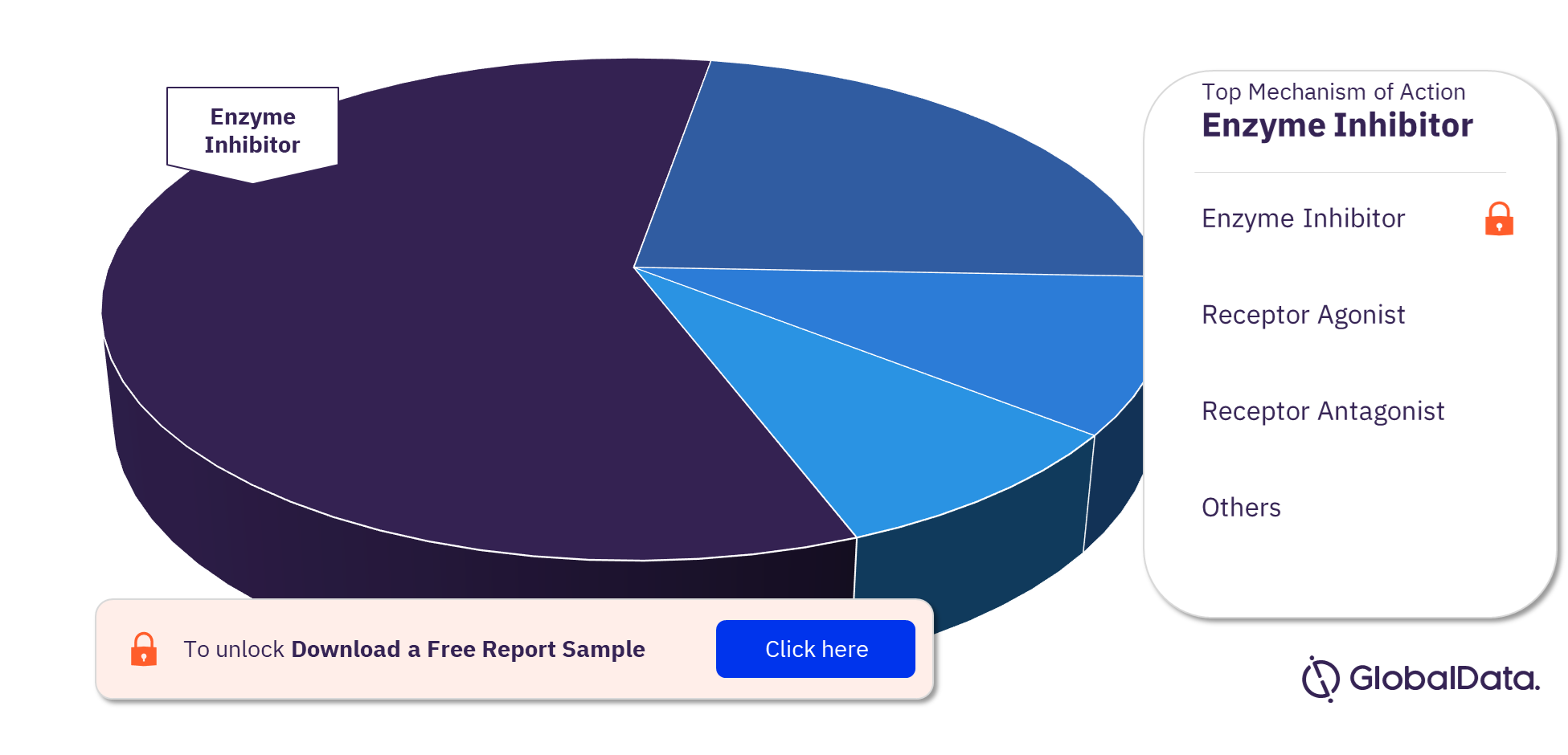
For more mechanism of action insights, download a free report sample
Small Cell Lung Cancer Marketed and Pipeline Drugs Market Overview by Routes of Administration
The major marketed and pipeline drugs for treating SCLC are oral therapies, injections, suppository therapies, topical therapies, and inhalational therapies.
Small Cell Lung Cancer Marketed and Pipeline Drugs Market Analysis by Routes of Administration
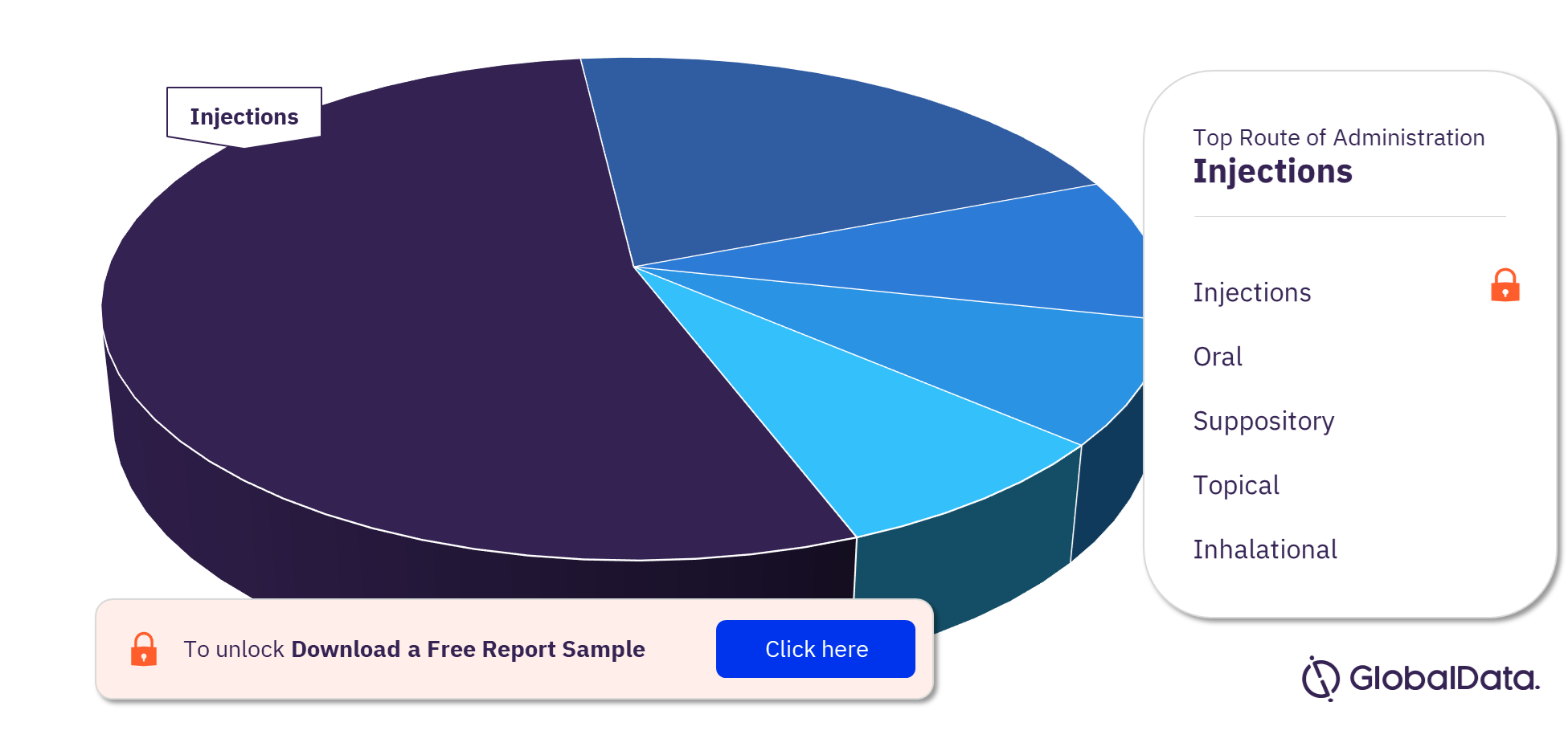
For more routes of administration insights, download a free report sample
Market Report Scope
| Major Mechanism of Action | Transporter Inhibitor, Receptor Agonist, Receptor Antagonist, Ion Channel Blocker, Enzyme Inhibitor, Ligand Depletor, Receptor Inhibitor, Cytotoxic to Cell, Biological Factor Activator, Enzyme Activator, Protein & Peptide Inhibitor, Genes, Nucleic Acids & Related Components Inhibitor, Protein & Peptide Activator, Antigen Inhibitor, and Biological Factor inhibitor |
| Major Routes of Administration | Oral Therapies, Injections, Suppository Therapies, Topical Therapies, and Inhalational Therapies. |
Scope
GlobalData’s Small Cell Lung Cancer Marketed and Pipeline Drugs Assessment, Clinical Trials, Social Media and Competitive Landscape, 2022 Update combines data from the Pharma Intelligence Center with in-house analyst expertise to provide a competitive assessment of the disease marketplace.
Components of the report include:
- Disease Landscape
- Disease Overview
- Epidemiology Overview
- Treatment Overview
- Marketed Products Assessment
- Breakdown by Mechanism of Action, Molecule Type, and Route of Administration
- Product Profiles with Sales Forecast
- Pipeline Assessment
- Breakdown by Development Stage, Mechanism of Action, Molecule Type, Route of Administration
- Late-to-mid-stage Pipeline Drugs
- Phase Transition Success Rate and Likelihood of Approval
- Clinical Trials Assessment
- Breakdown of Trials by Phase, Status, Virtual Components, Sponsors, Geography, and Endpoint Status
- Enrolment Analytics, Site Analytics, Feasibility Analysis
- Deals Landscape
- Mergers, Acquisitions, and Strategic Alliances by Region
- Overview of Recent Deals
- Commercial Assessment
- Key Market Players
- Future Market Catalysts
Reasons to buy
- Develop and design your in-licensing and out-licensing strategies through a review of pipeline products and technologies, and by identifying the companies with the most robust pipeline.
- Develop business strategies by understanding the trends shaping and driving the small cell lung cancer market.
- Drive revenues by understanding the key trends, innovative products and technologies, market segments, and companies likely to impact the global small cell lung cancer market in the future.
- Formulate effective sales and marketing strategies by understanding the competitive landscape and by analyzing the performance of various competitors.
- Identify emerging players with potentially strong product portfolios and create effective counter-strategies to gain a competitive advantage.
- Organize your sales and marketing efforts by identifying the market categories and segments that present maximum opportunities for consolidations, investments, and strategic partnerships.