Smart clothing is a type of wearable tech. It includes garments and footwear with integrated sensors that transmit biometrics and other datasets. The COVID-19 pandemic has hit the smart clothing market, both in terms of shipments and revenues. However, some smart clothing vendors are using COVID-19 lockdowns and social distancing mandates as an opportunity to showcase their products, particularly those with healthcare and fitness capabilities.
The smart clothing thematic research report provides an overview of the smart clothing theme. The report identifies the key trends impacting the growth of the theme over the next 12 to 24 months. It also includes comprehensive industry analysis, including forecasts for smart clothing revenues and shipments alongside overall wearable tech market sizing data. Furthermore, the detailed value chain shows where smart clothing fits into the broader Internet of Things ecosystem.
Smart Clothing: Key Trends
The key trends that are associated with the smart clothing theme can be classified into three categories: technology trends, macroeconomic trends, and regulatory trends.
- Technology trends – Some of the key technology trends impacting the smart clothing theme include advanced fibers, 3D printing, power supply, sensors, and artificial intelligence (AI).
- Macroeconomic trends – The key macroeconomic trends that will shape the smart clothing theme are COVID-19, market adoption, and sustainability.
- Regulatory trends – The key regulatory trends impacting the smart clothing theme include standardization and data privacy.
For more insights on key trends shaping the smart clothing theme, download a free report sample
Smart Clothing – Industry Analysis
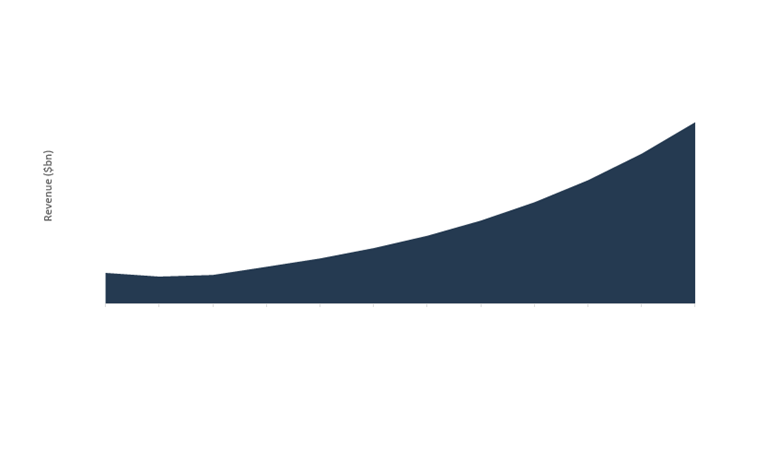
According to GlobalData forecasts, the smart clothing market was worth $668 million in 2020 and is expected to achieve a CAGR of more than 20% during 2020-2030. Smart clothing is a part of the broader wearable technology market, which also includes smartwatches, fitness trackers, and hearables, among others. The lion’s share of the growth will come from hearables and smartwatches, while the popularity of fitness trackers will wane due to their limited capabilities when compared to smartwatches.
The smart clothing industry analysis also covers:
- Mergers & acquisitions
- Timeline
Smart Clothing Market Revenue, 2020-2030
To gain more information on the smart clothing market forecast, download a free report sample
Smart Clothing - Value Chain Analysis
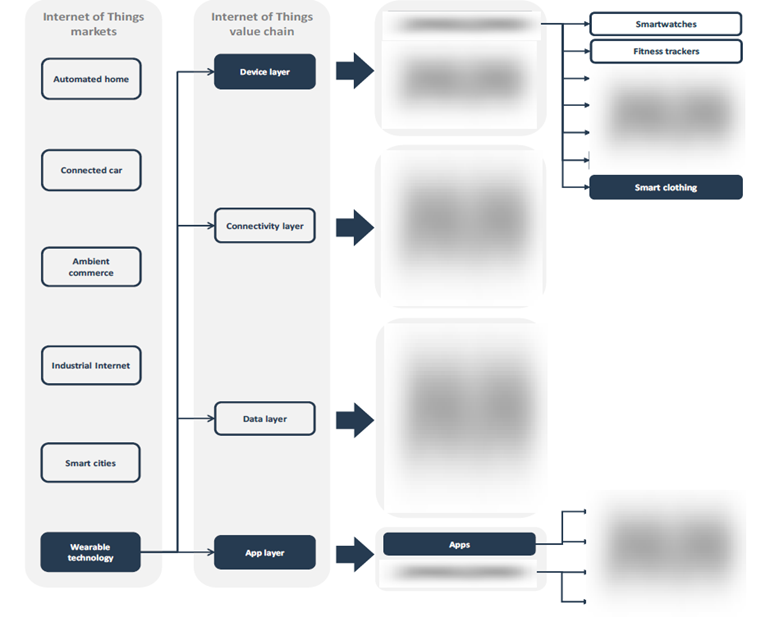
Smart clothing fits into the IoT value chain. GlobalData separates IoT into six distinct markets: automated home, connected car, ambient commerce, industrial internet, smart cities, and wearable technology. Smart clothing forms part of the wearable technology market. Each of the six IoT markets has a common value chain, which can, in turn, be split into four layers: the device layer, the connectivity layer, the data layer, and the app layer.
App layer: The app layer focuses on process-to-process communication across an internet protocol (IP) network and comprises the hubs that monitor and control smart clothing. This layer is attractive to service-focused companies, particularly those with health and fitness, and entertainment offerings.
Smart Clothing Value Chain Analysis
For more insights on the smart clothing value chains, download a free report sample
Leading Companies Associated with the Smart Clothing Theme
Some of the leading companies that are making their mark within the smart clothing theme are Adidas, Alphabet, Athos, Carré Technologies, Chico’s FAS, CuteCircuit, Komodo Technologies, Levi’s, and Nike.
To know more about the leading companies associated with the smart clothing theme, download a free report sample
Consumer Electronics Sector Scorecard
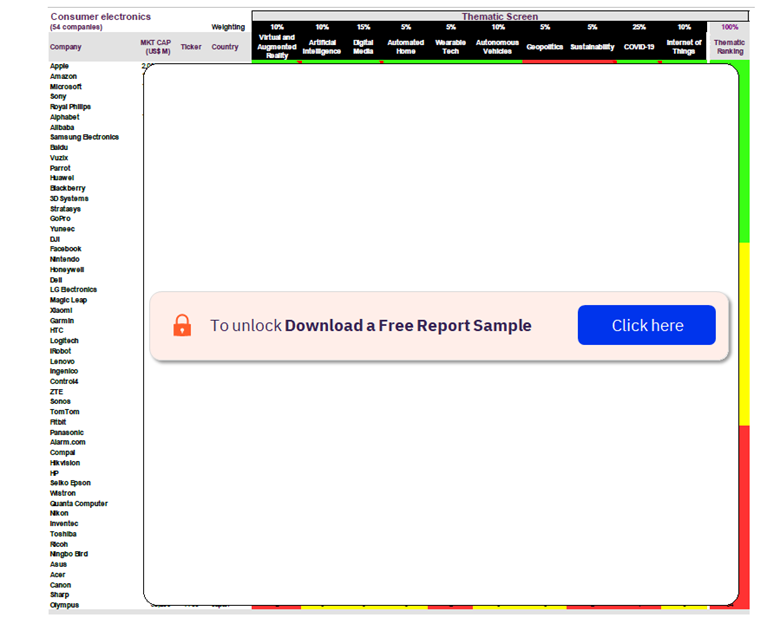
At GlobalData, we use a scorecard approach to predict tomorrow’s leading companies within each sector. Our sector scorecards have three screens: a thematic screen, a valuation screen, and a risk screen. The consumer electronics sector scorecard has three screens:
- The thematic screen tells us who are the overall leaders in the 10 themes that matter most, based on our thematic engine.
- The valuation screen ranks our universe of companies within a sector based on selected valuation metrics.
- Our risk screen ranks companies within a sector based on overall investment risk.
Consumer Electronics Sector Scorecard – Thematic Screen
To know more about the sector scorecards, download a free report sample
Smart Clothing Market Overview
| Report Pages | 32 |
| Regions Covered | Global |
| Market Size (2020) | $668 million |
| CAGR (2020-2030) | >20% |
| Key Trends | Technology Trends, Macroeconomic Trends, and Regulatory Trends |
| Value Chains | Device Layer, Connectivity Layer, Data Layer, and App Layer |
| Leading Companies | Adidas, Alphabet, Athos, Carré Technologies, Chico’s FAS, CuteCircuit, Komodo Technologies, Levi’s, and Nike |
Key Highlights
- Progress in areas such as electronic textiles, artificial intelligence (AI), motion tracking, and haptics will drive the smart clothing market’s growth.
- Currently, smart clothing products are targeted at consumers, particularly people interested in health and fitness.
- Sports, healthcare, and military industries will become key users of smart clothing in the coming years, valuing the technology’s ability to provide continuous monitoring of physical activity.
- For now, the smart clothing industry is awaiting investment from leading technology and apparel companies. This will improve the product’s capabilities and influence market adoption, a pressing concern for today’s smart clothing vendors.
Reasons to buy
- This report provides an overview of the smart clothing theme, including information on the leading companies and emerging start-ups.
- It also provides details of how smart clothing works and how it can be used by both consumers and enterprises.