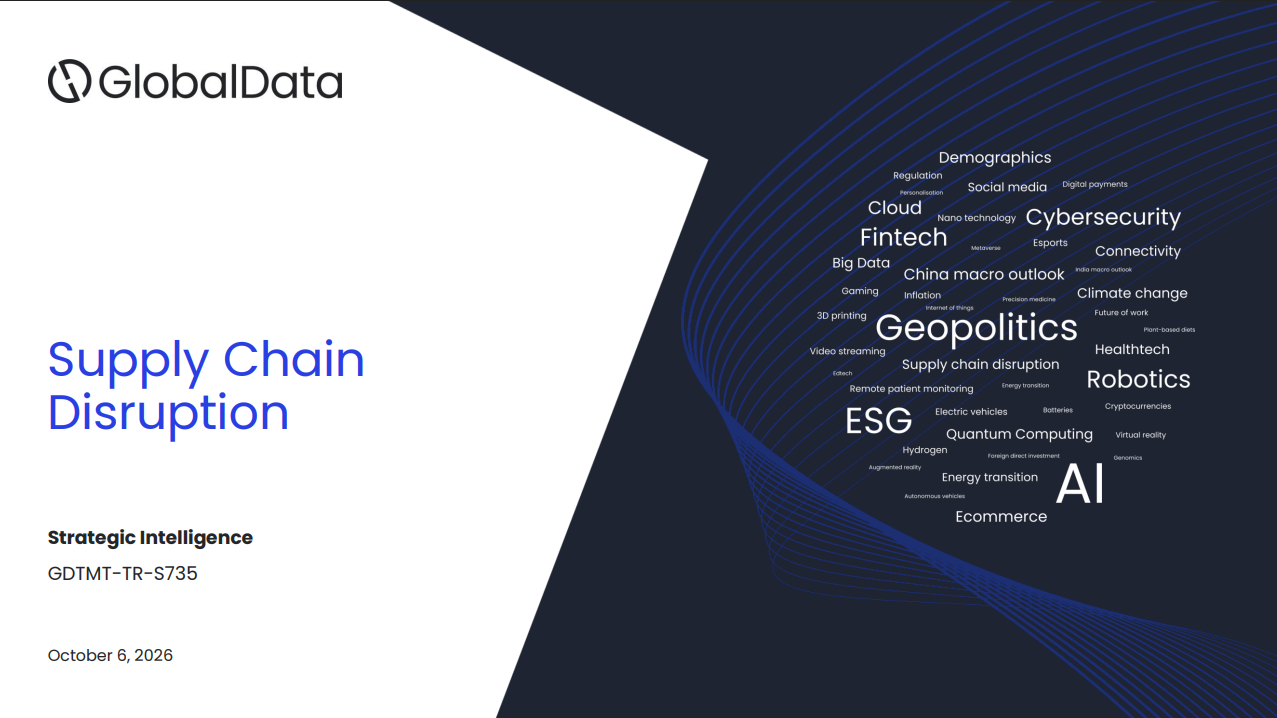
Supply Chain Disruption: Strategic Intelligence
Powered by 
All the vital news, analysis, and commentary curated by our industry experts.

Explore global supply chain disruption, geopolitical risks, tariffs, deglobalization and supply chain reconfiguration. Gain insights to support resilience and strategy.
Global supply chains are being reshaped by geopolitical tensions, trade barriers and economic uncertainty. Tariffs, sanctions, export controls and industrial policies are changing the conditions for international trade. Meanwhile, businesses face growing pressure to balance cost efficiency with supply chain resilience. However, global trade has not collapsed. Instead, trade routes, sourcing strategies and production networks are evolving. Companies are reconsidering where they manufacture, which suppliers they depend on and how they manage disruption. Nearshoring, reshoring and regional supply chains are becoming important considerations in this process.
Supply Chain Disruption: Strategic Intelligence examines the forces behind these changes and their strategic implications for businesses. It explores how companies are responding to disruption and reconfiguring their supply chains. In addition, the report examines the growing role of automation in reshaping supply chain operations. For you, the value lies in understanding the wider forces affecting supply chain decisions. The analysis can help you assess emerging risks, evaluate strategic responses and identify issues that may require further investigation. It also provides a framework for considering how geopolitical developments could affect your operations, sourcing decisions and long-term business plans.
What is driving global supply chain disruption?
Several interconnected forces are changing the global supply chain landscape. Understanding these pressures can help you assess their potential implications for your business.
- Geopolitical tensions and trade restrictions: Tariffs, sanctions and export controls can change sourcing costs, market access and supplier relationships.
- Deglobalization and protectionism: Governments are placing greater emphasis on domestic production and strategic industrial capabilities. Consequently, businesses are reassessing their dependence on international supply networks.
- Supply chain reconfiguration: Companies are exploring nearshoring, reshoring and regionalization. These approaches may reduce exposure to certain risks, although they can also involve significant costs.
- Strategic resources and energy security: Access to fossil fuels, critical minerals and other essential inputs can influence industrial competitiveness and supply continuity.
- Automation and operational change: Technology can support supply chain efficiency and resilience. However, implementation requires investment and changes to established operations.
Scope
This report examines the structural changes affecting global supply chains and the decisions businesses face in response, along with targeted recommendations to help corporate decision-makers consider their responses to these developments. The report covers:
- The new era of uncertainty: The economic, geopolitical and policy pressures influencing international trade.
- Supply chain reconfiguration: How companies are adapting their sourcing, production and operational strategies.
- The rise of automation: The role of automation in changing supply chain operations and efficiency.
- Strategic implications: The challenges and considerations that supply chain disruption creates for corporates.
- Outlook: The longer-term direction of supply chain change and its implications for business strategy.

Supply chain disruption analysis for strategic decision-making
Supply chain disruption can affect more than procurement and logistics. It can influence investment decisions, manufacturing footprints, market entry plans and competitive positioning. This report can help you:
- Assess supply chain risk: Understand the wider forces that may threaten continuity and increase operational complexity.
- Evaluate sourcing strategies: Consider the implications of supplier diversification, nearshoring and reshoring.
- Support strategic planning: Incorporate geopolitical and trade-policy developments into long-term business discussions.
- Identify technology priorities: Understand how automation fits into the broader evolution of supply chain operations.
- Inform investment decisions: Examine the structural changes that may influence manufacturing locations, infrastructure and operating models.
- Understand competitive responses: Explore how businesses are adapting to a more uncertain global trading environment.
These insights can support internal strategy discussions. They should complement company-specific risk assessments, supplier data and operational analysis.
Key Highlights
Trade is increasingly political. Across major economies and trading blocs, increasing signs of protectionism mean that trade is becoming more politicized. This is reflected in the growing use of tariffs, export controls, sanctions, and even carbon border taxes. Governments are increasingly focused on developing industrial policies, while strategically important resources such as fossil fuels and critical minerals are being weaponized by several nations.
Supply chain reconfiguration is ongoing. Global trade has not collapsed, but trade is being rerouted, especially Chinese trade with the US. From nearshoring to onshoring to regionalizing supply chains, companies are adopting a range of strategies in reaction to a more challenging environment.
Reasons to Buy
This report is relevant to professionals responsible for supply chain strategy, procurement, operations, corporate planning and investment decisions.
- Chief Supply Chain Officers and Supply Chain Directors: Assess the forces reshaping global supply networks. Use the analysis to inform resilience planning, supply chain redesign and strategic priorities.
- Procurement and Strategic Sourcing Leaders: Evaluate the wider implications of trade restrictions and supplier concentration. Support discussions about sourcing diversification and alternative production locations.
- Enterprise Risk and Business Continuity Managers: Understand how geopolitical tensions, sanctions and policy changes can affect supply continuity. Use the findings to inform risk reviews and contingency planning.
- Corporate Strategy and Transformation Teams: Assess how supply chain restructuring may influence operating models, capital allocation and long-term competitiveness.
- Manufacturing and Operations Executives: Consider the implications of regionalization, automation and changing production footprints for operational planning.
- Management Consultants, Investors and Equity Analysts: Build context for evaluating supply chain exposure, business strategy and the competitive implications of changing global trade patterns.

Practical applications by business function
- For supply chain planning: Use the report to frame discussions about regional production, supplier diversification and resilience.
- For procurement: Consider how tariffs and trade restrictions may affect sourcing options and supplier exposure.
- For corporate strategy: Incorporate structural changes in global trade into market assessments and long-term planning.
- For consulting and investment analysis: Use the thematic findings to inform industry research, client discussions and assessments of supply chain risk.
- These applications are starting points. Company-specific decisions require additional evidence on suppliers, costs, trade flows and operational dependencies.
Prepare for the next phase of global supply chain change
Supply chain reconfiguration is a complex, long-term undertaking. Trade policy, geopolitical tensions and automation may continue to influence how companies source, manufacture and distribute goods. Understanding these developments can help you ask better questions before committing to major operational changes. It can also provide context for reviewing existing assumptions about cost, resilience and international dependencies.
GlobalData combines thematic research with industry analysis to help businesses understand the forces shaping markets and corporate strategy. Explore Supply Chain Disruption Report to understand the forces reshaping global supply chains and support your next strategic review.
DHL
Einride
HappyRobot
LSP44
Microsoft
Project44
Repsol
Tesla
Uber
Walmart
Table of Contents
Get in touch to find out about multi-purchase discounts
reportstore@globaldata.com
Tel +44 20 7947 2745
Sample Report
Supply Chain Disruption: Strategic Intelligence was curated by the best experts in the industry and we are confident about its unique quality. However, we want you to make the most beneficial decision for your business, so we offer free sample pages to help you:
- Assess the relevance of the report
- Evaluate the quality of the report
- Justify the cost
Download your copy of the sample report and make an informed decision about whether the full report will provide you with the insights and information you need.


Related reports
View more Technology reports

