Trends in Consumer Goods Market Bundle Report Overview
In recent years, the consumer goods industry has undergone significant transformation. The recent global health crisis has accelerated a wave of new trends in the consumer goods industry, which is primarily driven by customer aspirations. Companies must stay on top of market trends and make the necessary adjustments to keep their products front and center in the minds of consumers, regardless of the industry in which they operate.
As a part of this bundle, you will gain access to in-depth insights available in the following reports:
• Thematic Research: Top Themes in Packaging
• Thematic Research: Top Themes in Consumer Goods
• Thematic Research: Top 10 Themes in Apparel
• Thematic Research: Food & Drug Regulation in FMCG
• Thematic Research: Supply Chain Management in Consumer Goods
Report 1 – Thematic Research: Top Themes in Packaging
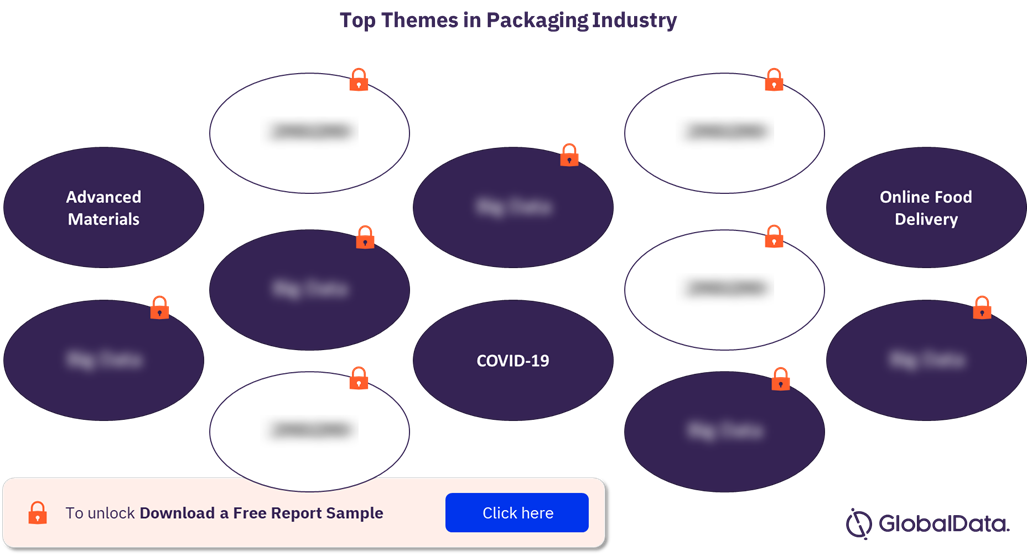
Advanced materials, COVID-19, and online food delivery, among others, will impact the packaging sector in 2022. The COVID-19 pandemic highlighted the importance of contactless deliveries and the need to ship goods to remote locations. Innovative materials other than plastic and paperboard are currently opening new potential applications in packaging. Some of these advantages include increased biodegradability, strength, and thinness. Furthermore, in the wider foodservice packaging market, there are trends toward ‘paperization’, i.e., making as much as possible from paper-based materials to enable an easier collection and recycling process.
Report 2 – Thematic Research: Top Themes in Consumer Goods
Health and wellness, the future of work, and digitalization, among others, will impact the consumer goods sector in 2022. People of all ages are taking a more proactive approach to their health, addressing it in a more holistic and personalized manner. COVID-19 outbreaks and enforced lockdowns coupled with the risk of unemployment have heightened anxiety and stress for many consumers around the world. Moreover, with more people working from home, there will be a shift in how and where people buy traditional impulse items as well as top-up purchases.

For more insights on top themes in the consumer goods industry, download a free report sample
Report 3 – Thematic Research: Top 10 Themes in Apparel
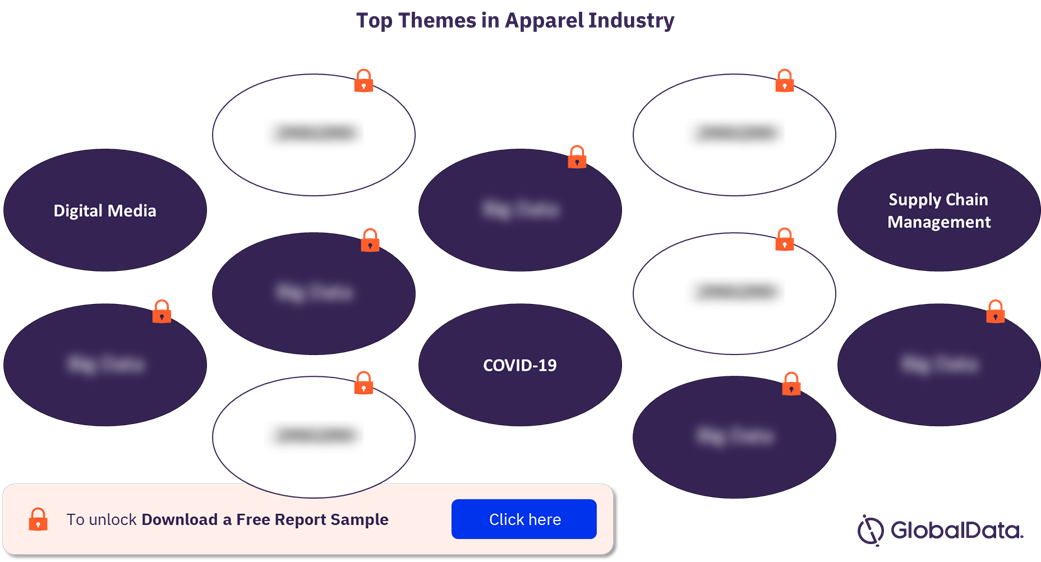
Supply chain management, COVID-19, and digital media, among others, will impact the apparel sector in 2022. COVID-19 catalyzed changes in consumer preferences that will remain in the long term. In recent years, sophisticated supply chain management solutions have emerged, integrating datasets with sales data from stores and websites to trigger the ordering of stock in real time. With more than half of the world now connected to the internet, brands must recognize the importance of developing a strong digital media presence to engage and connect with customers. Moreover, integrating direct purchase options through these platforms will also improve the shopping experience.
For more insights on top themes in the apparel industry, download a free report sample
Report 4 – Thematic Research: Food & Drug Regulation in FMCG
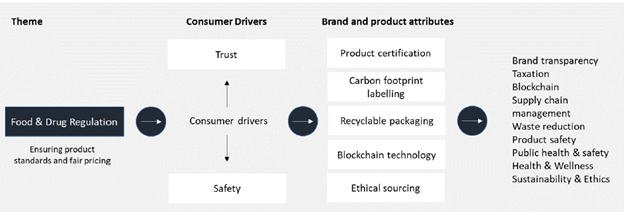
All FMCG firms are expected to play an important role in food & drug regulations as they are all accountable and held to the standards of their industry sectors and consumers’ standards. Regulation has the potential to significantly impact business operations, either positively or negatively, in virtually any part of the supply chain, emphasizing the importance of firms anticipating regulatory change and effectively adapting if unanticipated and/or rapid changes are made. Furthermore, regulation and risk in new as well as emerging categories will be quite prominent in days to come, particularly considering the explosion of plant-based foods & meat alternatives, and research in culture-grown meats.
Food & Drug Regulation Value Chain Analysis
For more insights on food and drug regulation in FMCG, download a free report sample
Report 5 – Thematic Research: Supply Chain Management in Consumer Goods
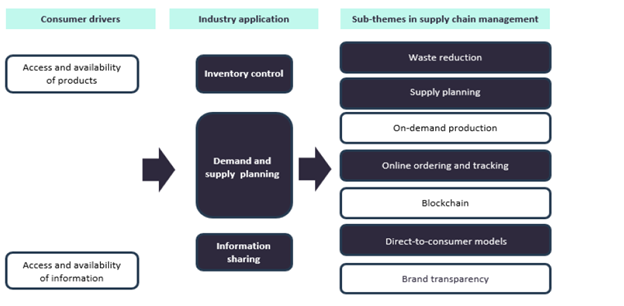
The role of improving supply chain management in most organizations is to optimize efficiencies and maximize cost-effectiveness. Supply chain innovations, such as technological investments, outsourcing materials, and mergers & acquisitions will aid the organizations to change their processes in alignment with the requirements of the customers. Using automated systems and artificial intelligence (AI) in supply chain processes will reduce time on server administrations and will allow more time in planning which will help in focusing on core and strategic business functions and reducing the margin for errors.
Supply Chain Management Value Chain Analysis
For more insights on supply chain management in consumer goods, download a free report sample