
Urticaria is defined as a skin lesion consisting of a wheal-and-flare reaction in which localized intracutaneous edema is surrounded by an area of redness that is typically pruritic. Individual hives can last as briefly as 30 minutes to as long as 36 hours.
The Urticaria marketed and pipeline drugs market research report includes an assessment of the disease epidemiology, leading marketed products with sales forecast, pricing and reimbursement, late-to-mid-stage pipeline products with phase transition success rate (PTSR), and the likelihood of approval (LoA) for chronic urticaria (CU). Moreover, it analyzes the clinical and commercial landscapes of CU, as well as an assessment of deals, future market catalysts, key market players, and the future competitive environment.
Key Mechanisms of Action of the Urticaria Marketed Drugs
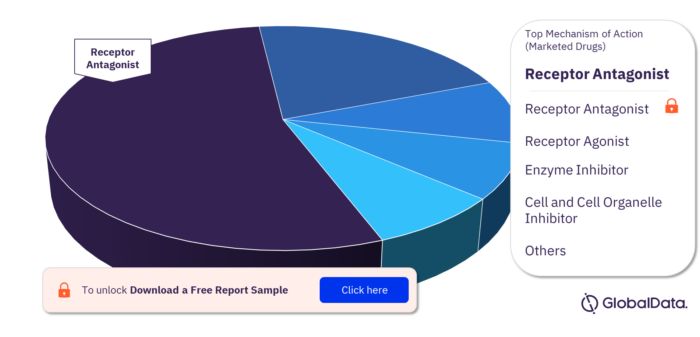
The key mechanisms of action of the Urticaria marketed drugs are receptor antagonist, receptor agonist, enzyme inhibitor, cell and cell organelle inhibitor, ion channel blocker, biological factor inhibitor, ligand inhibitor, ligand scavenger, and ion channel activator.
Urticaria Marketed Drugs Analysis by Mechanisms of Action
For more mechanism of action insights, download a free report sample
Key Routes of Administration in the Urticaria Marketed Drugs
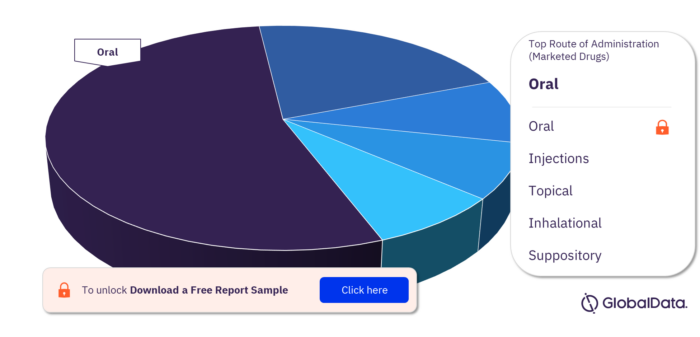
The key routes of administration in the Urticaria marketed drugs are injections, oral, topical, inhalational, and suppository.
Urticaria Marketed Drugs Overview by Routes of Administration
For more route of administration insights, download a free report sample
Key Mechanisms of Action of the Urticaria Pipeline Drugs Market
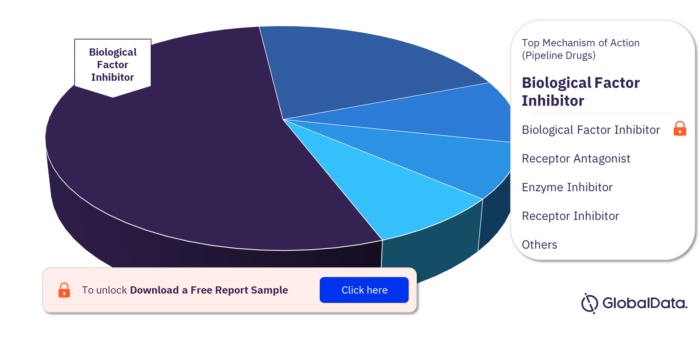
The key mechanisms of action of the Urticaria pipeline drugs market are biological factor inhibitor, receptor antagonist, enzyme inhibitor, receptor inhibitor, ion channel blocker, cytotoxic to cell, ligand inhibitor, and receptor agonist.
Urticaria Pipeline Drugs Analysis by Mechanisms of Action
For more mechanism of action insights, download a free report sample
Key Routes of Administration in the Urticaria Pipeline Drugs Market
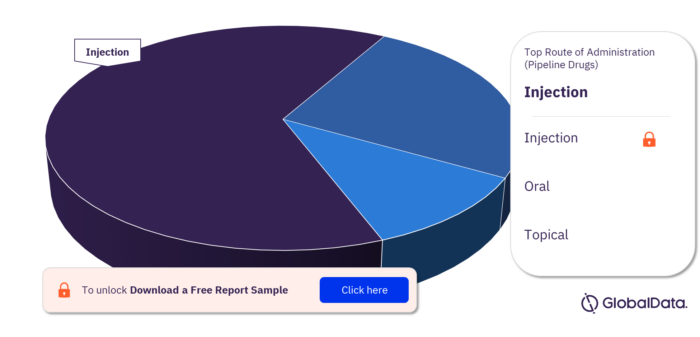
The key routes of administration in the Urticaria pipeline drugs market are injections, topical, and oral.
Urticaria Pipeline Drugs by Routes of Administration
For more route of administration insights, download a free report sample
Key Molecule Types in the Urticaria Pipeline Drugs Market
The key molecule types in the Urticaria pipeline drugs market are small molecule and biologic.
Urticaria Pipeline Drugs by Molecule Types

For more molecule type insights, download a free report sample
Key Players in the Urticaria Marketed and Pipeline Drugs Market
Some of the key players in the Urticaria marketed and pipeline drugs market are Genentech, Uriach, Faes Farma, Menarini, Sanofi, Novartis, Teva, and Celltrion.
Urticaria Marketed and Pipeline Drugs Market Report Overview
| Key Mechanisms of Action (Marketed Drugs) | Receptor Antagonist, Receptor Agonist, Enzyme Inhibitor, Cell and Cell Organelle Inhibitor, Ion Channel Blocker, Biological Factor Inhibitor, Ligand Inhibitor, Ligand Scavenger, and Ion Channel Activator |
| Key Routes of Administration (Marketed Drugs) | Injections, Oral, Topical, Inhalational, and Suppository |
| Key Mechanisms of Action (Pipeline Drugs) | Biological Factor Inhibitor, Receptor Antagonist, Enzyme Inhibitor, Receptor Inhibitor, Ion Channel Blocker, Cytotoxic to Cell, Ligand Inhibitor, and Receptor Agonist |
| Key Routes of Administration (Pipeline Drugs) | Injections, Topical, and Oral |
| Key Molecule Types (Pipeline Drugs) | Small Molecule and Biologic |
| Key Players | Genentech, Uriach, Faes Farma, Menarini, Sanofi, Novartis, Teva, and Celltrion |
Scope
Components of the report include:
- Disease Landscape
- Disease Overview
- Epidemiology Overview
- Treatment Overview
- Marketed Products Assessment
- Breakdown by Mechanism of Action, Molecule Type, and Route of Administration
- Pricing and Reimbursement Assessment
- Retail or Manufacturer Price of Products
- Time to Pricing and Time to Reimbursement
- Pipeline Assessment
- Breakdown by Development Stage, Mechanism of Action, Molecule Type, and Route of Administration
- Product Profiles with Sales Forecast
- Late-to-mid-stage Pipeline Drugs
- Phase Transition Success Rate and Likelihood of Approval
- Clinical Trials Assessment
- Breakdown of Trials by Phase, Status, Virtual Components, Sponsors, Geography, and Endpoint Status
- Enrolment Analytics, Site Analytics, and Feasibility Analysis
- Deals Landscape
- Mergers, Acquisitions, and Strategic Alliances by Region
- Overview of Recent Deals
- Commercial Assessment
- Key Market Players
- Future Market Catalysts
Reasons to buy
- Develop and design your in-licensing and out-licensing strategies through a review of pipeline products and technologies, and by identifying the companies with the most robust pipeline.
- Develop business strategies by understanding the trends shaping and driving the Urticaria market.
- Drive revenues by understanding the key trends, innovative products and technologies, market segments, and companies likely to impact the global Urticaria market in the future.
- Formulate effective sales and marketing strategies by understanding the competitive landscape and by analyzing the performance of various competitors.
- Identify emerging players with potentially strong product portfolios and create effective counterstrategies to gain a competitive advantage.
- Organize your sales and marketing efforts by identifying the market categories and segments that present maximum opportunities for consolidations, investments, and strategic partnerships.







