North America leads global SAF production capacity growth through 2030
Policy support and rising investment to drive SAF production capacity additions in the region.
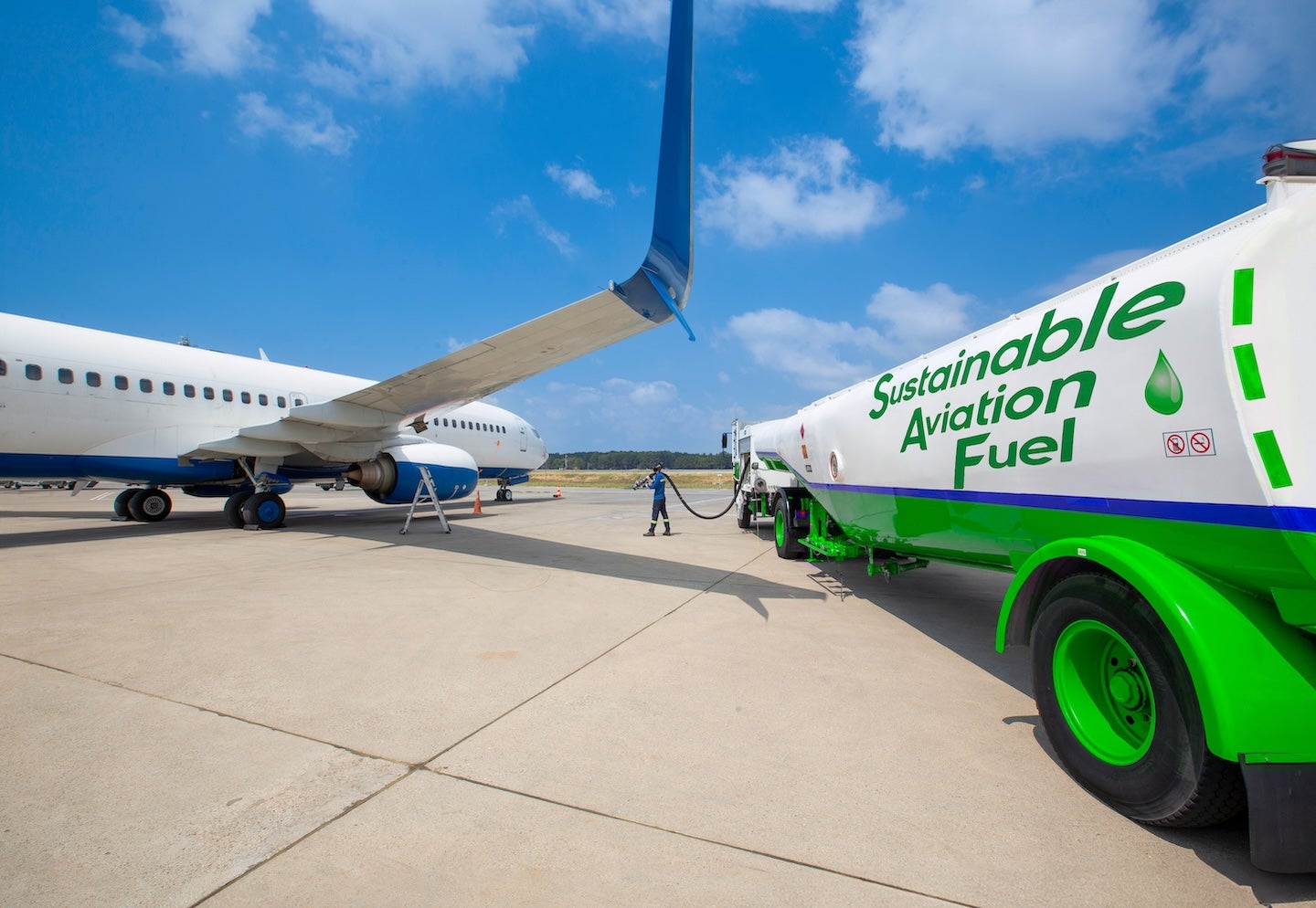
North America is expected to remain the largest contributor to global sustainable aviation fuel (SAF) production capacity additions during the outlook period, accounting for more than one third of the total global SAF production capacity by 2030. The region's growth is primarily driven by standalone renewable refineries, supported by favourable government policies, increasing airline commitments to decarbonisation, and continued investment in renewable fuel infrastructure.
Most upcoming SAF projects in North America remain in the early stages of development, with a large share currently in feasibility and approval. This indicates a strong long term project pipeline that is yet to enter the construction phase.
Upcoming (planned and announced) SAF production capacity by asset type and key regions, 2030 (mmgy)*
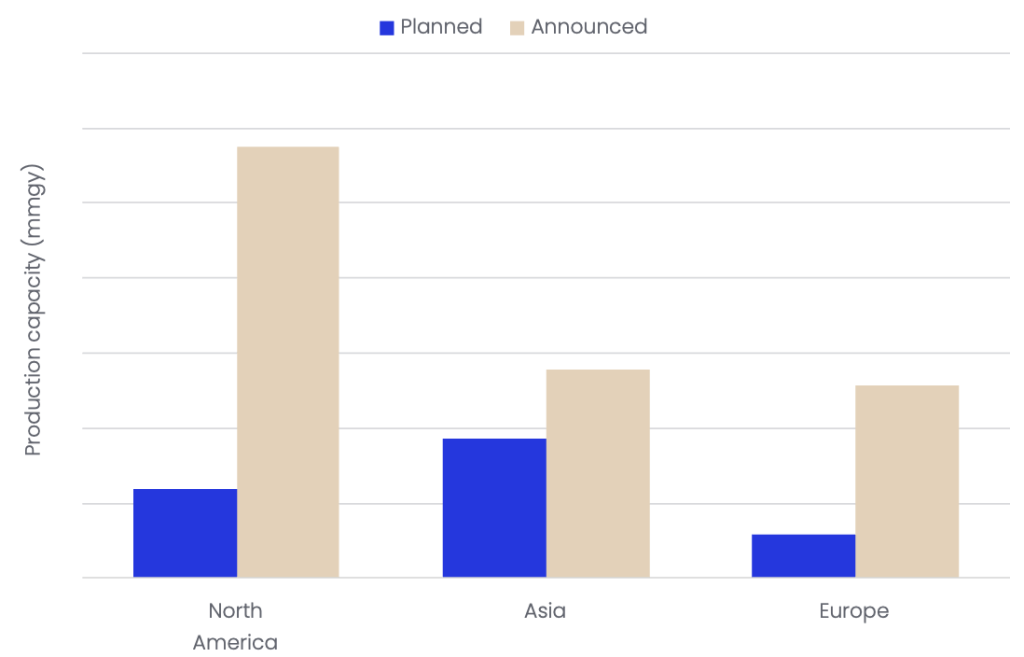
*Announced/Planned: A new build project that has not received relevant/ required approvals to develop/build the project is considered as Announced. A new build project that has received relevant/ required approvals from the national government/ energy ministry/ regulatory authority/local environmental authority/ port authority/local government, etc to develop/build the project is considered as Planned.
The US remains the key growth engine for the region, accounting for the majority of North America's upcoming SAF production capacity. Major projects such as Houston Renewable V, Houston Renewable III, Baton Rouge Renewable, and Penwell Renewable are expected to support capacity additions during the outlook period. Regulatory initiatives, including the Clean Fuel Production Credit and SAF blending targets, continue to encourage investment in new production facilities.
Canada is expected to contribute the considerable regional capacity, with upcoming projects led by Manitoba Renewable. Although smaller than the US capacity, Canada's capacity additions are mainly though projects that are yet to receive approvals for development highlights continued investment in low carbon aviation fuels through refinery projects.
Further details of global sustainable aviation fuel production capacity additions analysis can be found in GlobalData’s new report, 'Global Sustainable Aviation Fuel (SAF) Production Capacity Outlook to 2030 (2026 Edition)’.