Macro, Geopolitics & Investment Intelligence


The US bond sell-off last week sent waves through global bond markets causing Euro Area(EA) risk-free and sovereign debt curves to steepen at rapid pace, as investors offloaded long-term paper. ECB officials were fast.
#Eurozone #Yield curve #Fiscal Policy
The Fed may not be out of ammo, but the ammo they have may be futile in curtailing the financial instability that policy is creating. Bitcoin, call-option vigilantes, SPACs and market hype generally were topics the FOMC.
#Federal Reserve #Inflation #US Economy #Yield curve #Bubble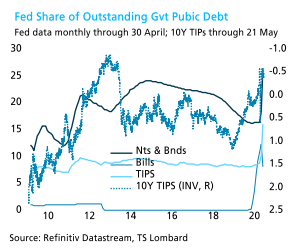
Once the Fed started buying mass sums to support markets, we began writing that policy was locked into using the balance sheet to manage rates and the yield curve. Reading the April FOMC minutes, we see that this has.
#Federal Reserve #Balance Sheet #FOMC #Yield curve
Despite my best efforts, the phrase Buyside Bubble has never really caught on as a description of post-2008 financial markets. Perhaps this is because, what it gained in clever alliteration (or so I like to think…), it.
#Interest Rates #Yield curve #Bubble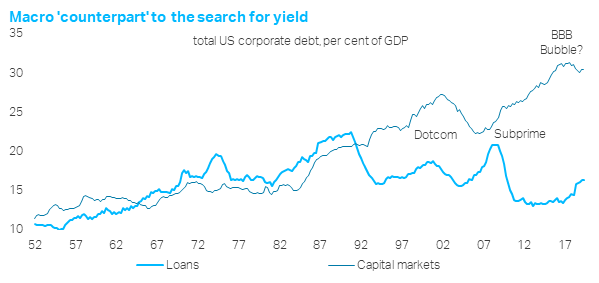
Back in 2018, we warned about what we called the ‘Buy-side Bubble’. To the extent we could identify vulnerabilities in global markets, the clearest danger involved a powerful search for yield. Investors had naturally.
#Equities #Yield curve #Stimulus #Capital Markets #BubbleView our summary videos on fast trending topics. To listen to a recording of our Conference Calls, please get in touch with zdl@tslombard.com
READ MOREWe have a 30 year track record of successful calls. Many of these calls combined economic, political and market analysis.
READ MORETo request an interview with a member of our team, please get in touch zdl@tslombard.com .
READ MORE